

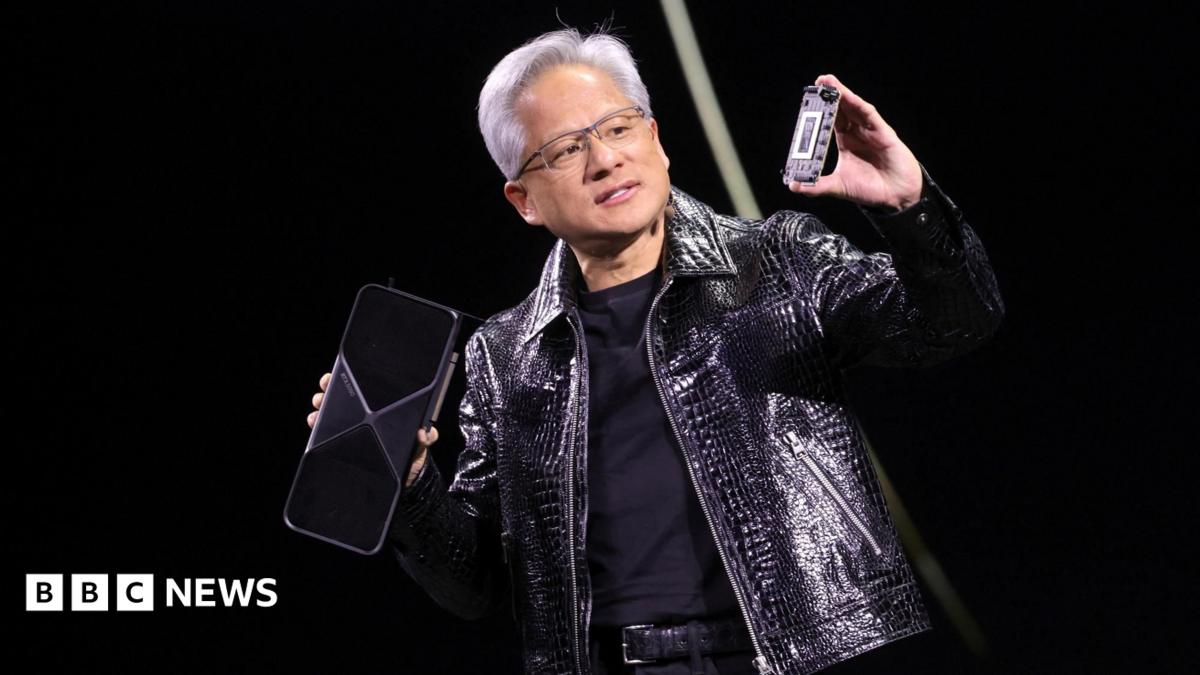

The ongoing scrutiny surrounding Nvidia has raised significant questions about the relationship between CEO Jensen Huang and Alice, particularly regarding potential access to the company’s cutting-edge technologies. Authorities are now tasked with investigating whether Alice received privileged information, either intentionally or by chance, and if she subsequently shared any sensitive data with the Chinese government or other parties.
While the specifics of their affair remain unclear, numerous images and recordings of Huang and Alice together at various events suggest they might have spent considerable time in each other’s company. Huang, known for his diligence in monitoring his responsibilities, now faces scrutiny about the implications this relationship might have on corporate security.
China has strongly denied accusations of espionage involving Alice, but concerns surrounding economic espionage are not exclusive to the country. Critics, especially in the West, have highlighted that China allegedly engages in large-scale intellectual property theft, employing a mix of technological methods and embedded agents within various organizations, including private sector firms.
If China were to gain access to a substantial number of Nvidia chips or learn how to replicate them, it would provoke strong reactions from the current U.S. administration. The administration is keen on safeguarding its technological advancements, particularly in the field of artificial intelligence, and has even withheld certain AI models from the AI Safety Institute in the UK over safety concerns.
A critical area of concern revolves around any national security information that Huang may have been privy to during his tenure in a leading role within the U.S. elite. His influence and connections could potentially have allowed for sensitive insights to be exchanged, raising alarm among national security officials.
In response to these developments, Nvidia has indicated that there is currently no evidence suggesting that Huang has transmitted any confidential information. The company has initiated an internal investigation, and Huang has expressed his willingness to cooperate, underscoring his desire to maintain his position. However, he faces criticism for potentially violating the company’s own conduct guidelines, which discourage relationships with clients.
Editor’s Take
This situation raises critical implications for Nvidia and its stakeholders. As the scrutiny intensifies, the firm must balance corporate ethics with the competitive landscape of AI technology. For users and businesses alike, the potential fallout could affect trust and innovation in the sector. Furthermore, the ongoing investigation underscores the importance of maintaining stringent protocols to protect sensitive information.
Source: www.bbc.co.uk