

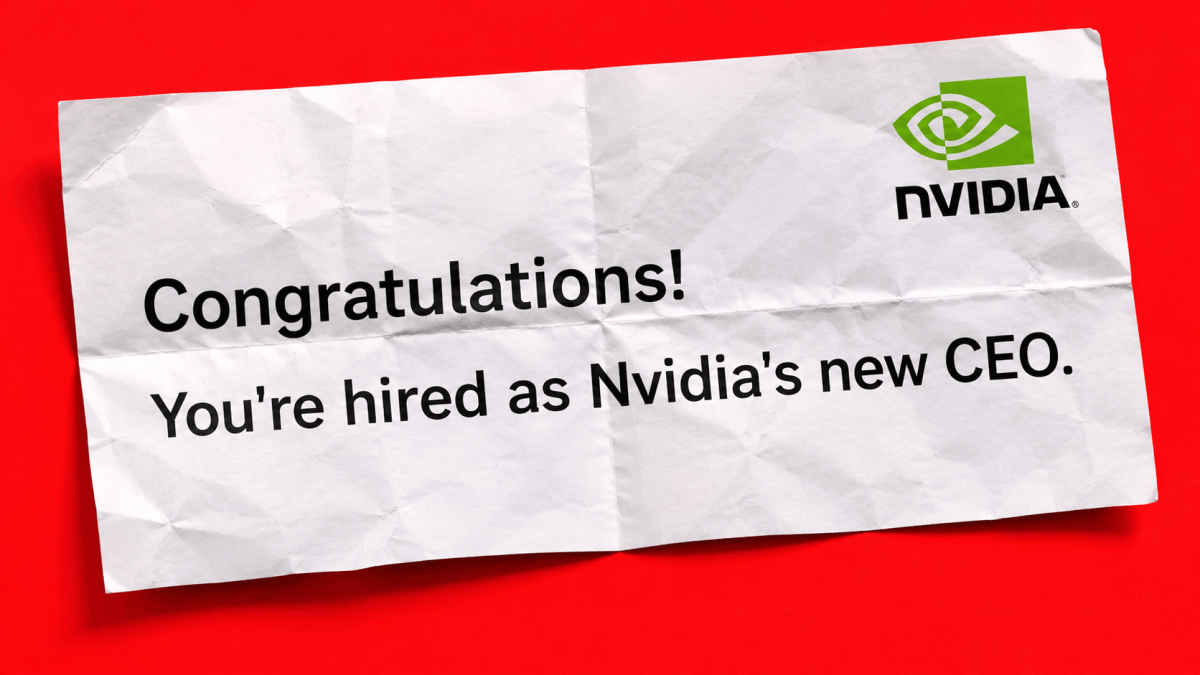

The tech world is abuzz with speculation about the future of Nvidia as reports suggest that its CEO, Jensen Huang, faces an uncertain fate. With his survival odds dropping to a mere 30% according to Kalshi, the company’s dramatic turn of events raises questions about leadership and succession within the organization.
Huang, known for transforming Nvidia into one of the most influential tech giants, has recently admitted to an extramarital affair. The identity of the individual involved remains unclear, with speculation surrounding two potential figures: Alice Huang, a Chinese executive tied to allegations of espionage, and Kimberly Powell, an Nvidia executive linked to Huang by multiple sources in a recent New York Times report.
Should Huang be ousted, the board’s ability to act swiftly may be complicated as there appears to be no established succession plan. While it’s unlikely the board will cut ties entirely, they might consider retaining Huang in a different role, like chairman. In the meantime, several prominent names have emerged as potential successors, each with their unique backgrounds and qualifications.
Potential Successors
Lisa Su. Currently at the helm of AMD, Su is not only a well-respected leader but also a distant relative of Huang. However, her departure from AMD seems unlikely, as her company could gain from Nvidia’s current turmoil as it grapples with various challenges.
Eric Schmidt. The former CEO of Google, Schmidt has been suggested as a solid candidate by leadership expert Jeffrey Sonnenfeld. With a diverse background covering both technology and national security, Schmidt could potentially step in seamlessly. Yet, his previous personal controversies may hinder his candidacy.
Lip-Bu Tan. The CEO of Intel, Tan might be looking for new opportunities amidst challenges faced by his own company in the AI-driven market. Given the recent downturn in Intel’s stock and market position, his move to Nvidia could be a strategic escape.
Bret Taylor. The former co-CEO of Salesforce possesses extensive experience across many top Silicon Valley companies, making him another candidate to consider. His track record suggests he could successfully navigate Nvidia’s current complexities.
Ian Buck. As an Nvidia VP who played a key role in developing CUDA, Buck is recognized as a potential internal candidate. While not a household name, his deep understanding of Nvidia’s core technologies could position him favorably should Huang maintain an advisory role.
Andrew Bell. Nvidia’s senior vice president of hardware engineering may also be in consideration, having a strong background within the company. While other names, like Nvidia CFO Colette Kress, have been mentioned, many believe Bell’s expertise aligns better with Nvidia’s future needs.
Lori Huang, Jensen’s wife, has not been prominently discussed but could potentially serve as an unconventional choice. With a background in engineering and a deep understanding of Nvidia’s culture and history, she may provide a unique continuity amidst upheaval.
The board’s decision is imminent, and the implications for Nvidia’s future direction could be significant.
Editor’s Take
The uncertainty surrounding Jensen Huang’s leadership at Nvidia underscores the critical importance of stable governance in tech companies. As AI continues to transform industries, the choice of successor will not only influence Nvidia’s trajectory but also impact partnerships and innovation in the wider tech landscape. Whether the board opts for an established figure or an internal candidate, the decision will surely resonate throughout the industry.
Source: techcrunch.com