

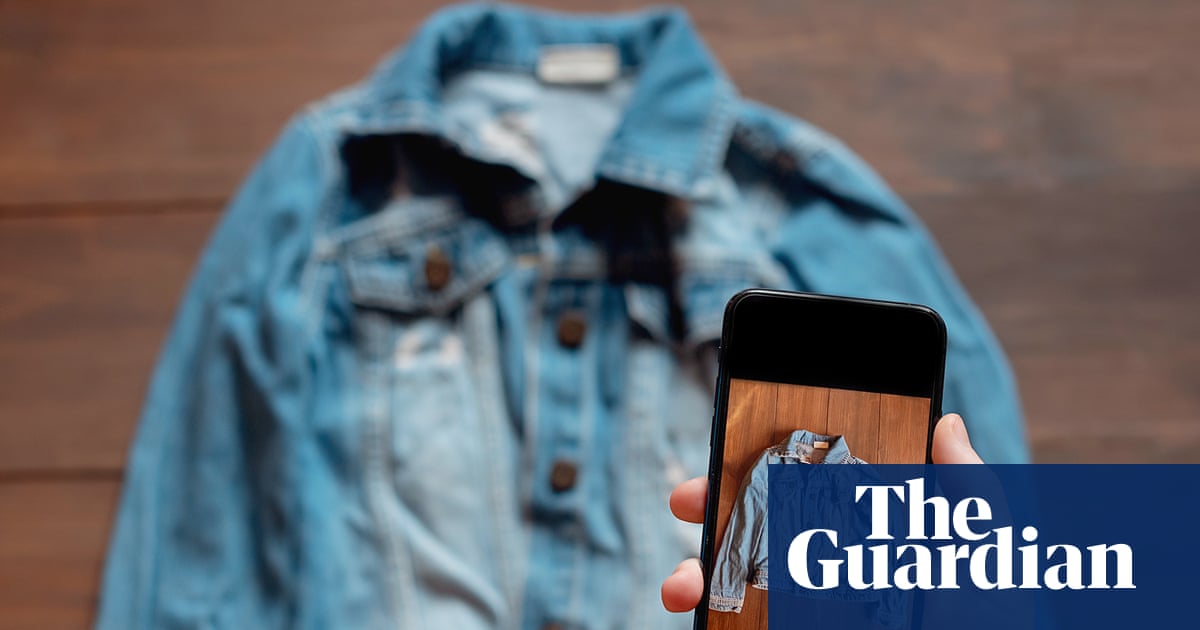

In June, a mother named Hannah decided to list her daughter’s pink swimming costume on Vinted for just £1. She anticipated that fellow parents browsing the resale platform would take interest. However, what followed was unsettling.
A message from a user, identifiable only by a male username, asked, “So a little girl wore this yh [yeah]?” When Hannah confirmed, the exchange took a disturbing turn with the follow-up question, “Naked?” Hannah responded with disbelief, blocking the user and reporting the encounter to Vinted, calling it “disgusting” and “disturbing.”
This incident highlights a troubling trend: the growing prevalence of concerning and sexualized remarks on children’s clothing listings across resale apps. According to The Children’s Society, young users increasingly face requests for inappropriate photos in exchange for money or gifts. Additionally, some images of minors have been manipulated using AI technology to create deepfake pornography without consent.
In light of these issues, government officials are considering restricting under-16s from using platforms like Depop, eBay, and Facebook Marketplace. As fears mount over child exploitation facilitated by private messaging features, Vinted—currently requiring users to be 18—may need to implement stricter age verification protocols.
On Sunday, Nandy indicated that the government is “looking seriously” at expanding the social media ban to encompass online marketplaces. She is expected to share these regulations with Parliament in December.
Young women have taken to platforms like TikTok and Reddit to share their unsettling experiences with buyers. Reports include users inquiring if purchases would come with used underwear or making unsolicited sexual comments about sellers.
Lucy, who began reselling her clothes on Depop at 15, recalled numerous uncomfortable interactions. In one instance, a user requested to raise her £10 item’s price to £30, under the condition that she include a pair of her underwear. “That made me feel like, oh my God, awful,” she said.
Furthermore, Lucy discovered that images of her from when she was underage, utilized to advertise her clothing, were being circulated on Reddit. “These pictures are actually still being resurfaced on these Reddit pages; it’s quite frustrating,” she expressed.
About two years ago, Lucy encountered users on Discord who had taken her old Vinted and Depop photos and altered them into AI-generated deepfakes. “It’s deplorable that people think it’s acceptable to take people’s images and make them into AI porn—I felt really, really upset,” she shared.
Despite experiencing harassment, Lucy feels conflicted about the proposed ban. While acknowledging potential dangers of selling clothes online, she recognizes that some young girls might depend on the extra income.
Vinted has stated that minors can only access the platform under adult supervision, while Depop requires users to be at least 13, with a minimum age of 18 to utilize its payment systems. However, recent surveys from Ofcom reveal that 15% of children aged 8 to 14 use Vinted monthly, with other reports indicating that some minors can bypass age restrictions.
Concerned child safety advocates propose that a sweeping social media ban might push young users entirely offline. Karen Garland, head of policy at the Marie Collins Foundation, emphasized the importance of creating safer online environments for children without excluding them from the digital world.
In response to growing safety concerns, Vinted stated they maintain a zero-tolerance policy for harmful content, deploying dedicated moderation teams to identify violations. Similarly, eBay has stressed its commitment to protecting users through clear guidelines and prompt action against suspicious behavior. Depop has also underscored their legal terms prohibiting the unauthorized use of other users’ images.
*Names have been changed to protect identities.
Editor’s Take
This development is significant as it highlights the ongoing challenges faced by vulnerable users in online marketplaces. The proposed regulations could offer essential protections for minors, though they also raise concerns about access to necessary financial opportunities for young people. As platforms navigate these complex issues, a balanced approach is essential to ensure safety without overly restricting access to beneficial online resources.
Source: www.theguardian.com