


Nabu Casa Launches the Home Assistant Connect Aux-2
Nabu Casa, the commercial arm behind the Open Home Foundation that manages Home Assistant, has recently unveiled the Home Assistant Connect Aux-2. This versatile device aims to integrate more non-smart gadgets into your smart home ecosystem, reinforcing Home Assistant’s goal of enhanced user-friendliness.
Product Features and Setup
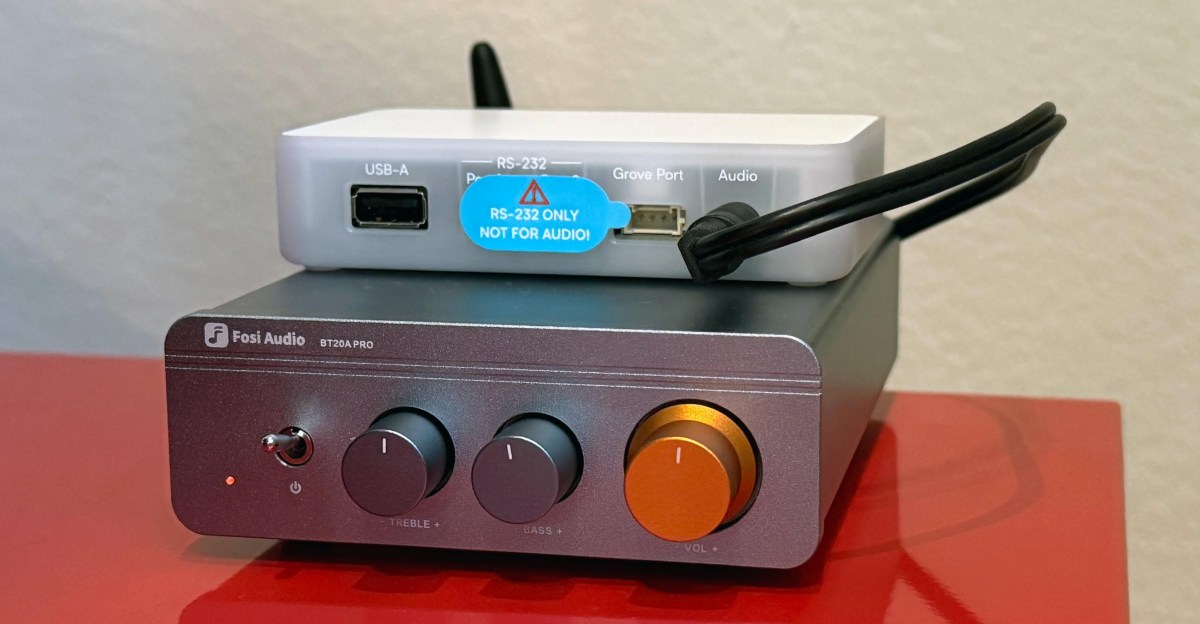
During my testing of the Aux-2, I found it to be remarkably useful and surprisingly simple to install. Priced at $69 and roughly the size of a deck of cards, this device features 2.4GHz Wi-Fi, Bluetooth, Ethernet, USB-A, USB-C, and both digital and analog audio outputs. Additionally, it includes a Grove port for connecting various peripherals like sensors and buttons, as well as RS-232 serial ports.
The device can bridge Bluetooth connections to your Home Assistant setup and allows you to plug in a Nabu Casa Z-Wave or Zigbee antenna, especially useful if your hub is in a less-than-ideal location. It supports controlling devices such as TVs, AV receivers, and even solar inverters through its serial connections, and you can connect it to powered speakers to stream music to older audio equipment.
Integration with Home Assistant
The Aux-2 operates on the ESPHome platform, facilitating the development of DIY smart home devices. This integration leverages existing functionalities from Home Assistant and ESPHome. New features such as serial integration and audio capabilities are ongoing developments, making it a compelling addition for users.
While I have been utilizing Home Assistant for some time, it hasn’t been my main platform due to a mixed setup of other smart home systems, which sometimes leads to friction. However, the Aux-2 neatly aligns with two projects I’ve wanted to tackle: monitoring my garage fridge and finally putting my unused in-wall speakers to work.
User Experience with Aux-2
Setting up the Aux-2 was far smoother than I had anticipated. By connecting it to my computer via USB-C, I was able to install the latest firmware and input my Wi-Fi credentials seamlessly. Moving it to my media center allowed for straightforward power connection, and the remaining setup occurred within the Home Assistant interface.
With Bluetooth proxying enabled through just a few clicks, I successfully integrated Govee’s Bluetooth hygrometers into my Home Assistant setup, which now reliably maintains connections through walls and various obstacles. The audio capabilities came together efficiently after integrating them with my new amplifier and setting up Music Assistant, enabling me to play music through my in-wall speakers.
Future Considerations and DIY Opportunities
While I haven’t fully tested the serial control feature yet, I’m eager to explore the potential of integrating various devices like solar inverters and TVs. The Aux-2, while not groundbreaking in terms of capabilities—similar functions could be achieved via DIY ESP32 boards—offers a user-friendly solution for those interested in smart home automation without the complexities of building from scratch.
Critically, this open ecosystem allows both advanced users and newcomers to participate in a growing smart home landscape. The release of the Aux-2 not only highlights enhanced accessibility but also affirms Nabu Casa and Apollo Automation‘s commitment to fostering creativity within the community.
Editor’s Take
The introduction of the Home Assistant Connect Aux-2 emphasizes the push towards creating more inclusive smart home solutions. This device serves as a bridge for both legacy systems and modern technology, allowing users to integrate various devices without extensive technical knowledge. Its potential to simplify operations can significantly enhance user experience, making smart homes more accessible for all.
Source: www.theverge.com