
SynthID Bio Revolutionizes AI-Designed Proteins with Watermark Technology
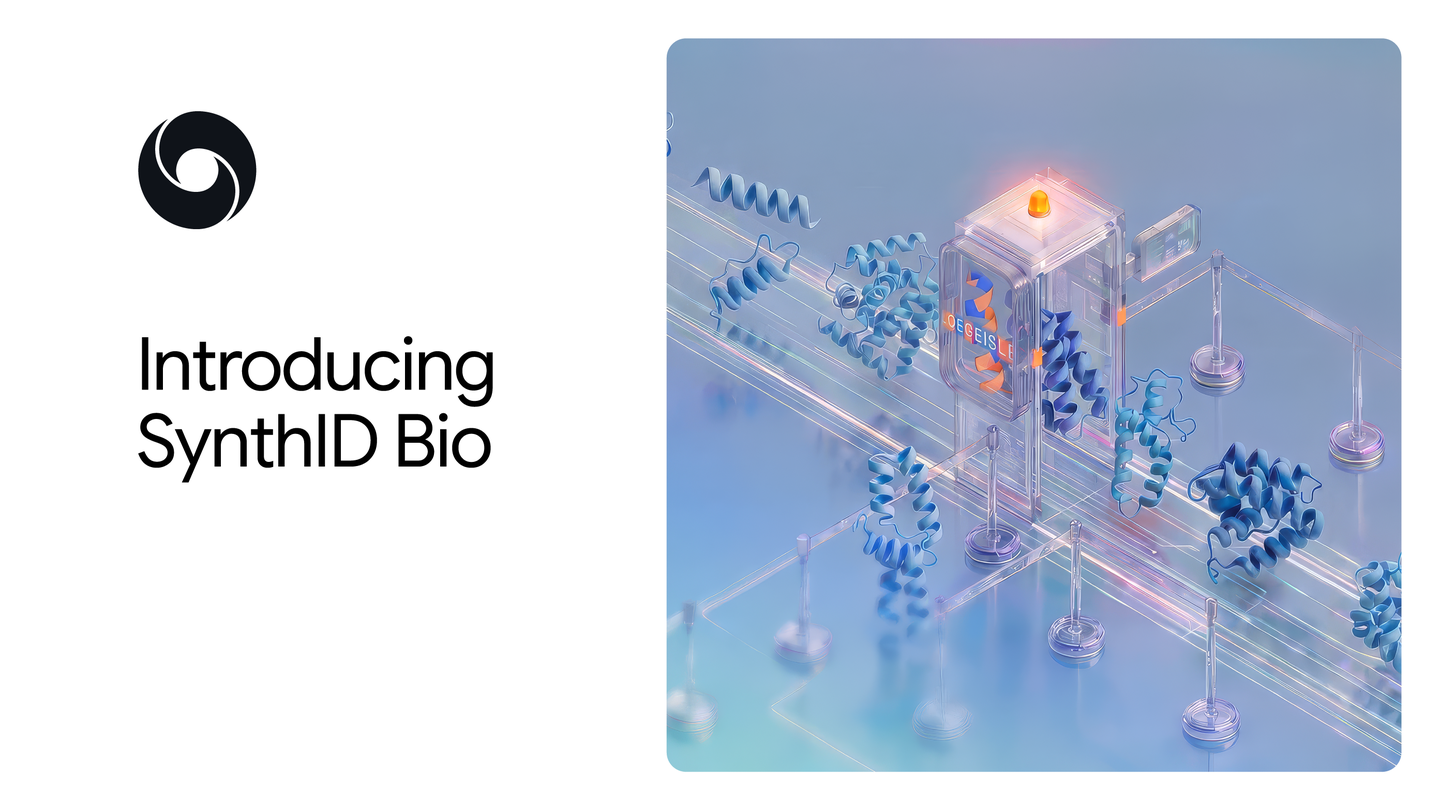
In a groundbreaking development, Google DeepMind has unveiled SynthID Bio, a cutting-edge technology that enables the watermarking of AI-designed proteins while maintaining their biological functions. This innovation is set to transform the landscape of biosecurity and integrity within scientific databases.
Watermarking Process Explained
SynthID Bio employs an imperceptible and verifiable watermark that is directly embedded into biological designs, specifically targeting AI-generated protein sequences and their predicted three-dimensional structures. This approach not only ensures the traceability of these proteins but also reinforces the credibility of research data within open scientific platforms.
Laboratory tests validate the efficacy of these watermarked designs, showing that they can match the performance and natural diversity of their unwatermarked counterparts. This development is crucial as it provides a vital provenance layer that helps strengthen biosecurity against potential misuse of AI-enhanced biotechnology.
The Importance of Biosecurity
As AI technologies increasingly intersect with biological sciences, concerns over biosecurity and data integrity have risen substantially. By implementing watermarks in AI-designed proteins, SynthID Bio enables researchers to monitor and verify the use of these innovations, safeguarding against unauthorized applications and ensuring responsible usage. The implications extend beyond individual research labs, enhancing global scientific collaboration and trust.
Furthermore, current advancements in synthetic biology highlight the necessity for robust tracking mechanisms. With AI’s growing role in biological design, SynthID Bio acts as a safeguard, ensuring that innovations can be shared and utilized without jeopardizing the integrity of scientific inquiry.
Integration with AI Platforms
In this rapidly evolving landscape, platforms like AllAI cater to the needs of researchers by allowing them to explore multiple AI tools in one place. This integration streamlines the process of accessing various AI models necessary for complex tasks, such as bioengineering and synthetic biology, thereby facilitating quicker innovations and collaborative efforts.
For those interested in a deeper understanding of SynthID Bio and its potential impacts, the full blog post and research findings are available on the Google DeepMind website.
Conclusion
The introduction of SynthID Bio marks a significant milestone in the interplay between artificial intelligence and biotechnology. As the need for biosecurity and traceability becomes increasingly urgent, technologies like SynthID Bio will play a decisive role in shaping the future of research and scientific collaboration.