
Google Leverages AI to Revolutionize Disease Understanding
Google is making significant strides in healthcare by utilizing artificial intelligence (AI) to enhance disease detection and reduce the administrative burdens faced by healthcare providers. Recent research underscores the potential of machine learning models to identify critical health concerns, ultimately improving patient care.
Key Innovations in Disease Detection
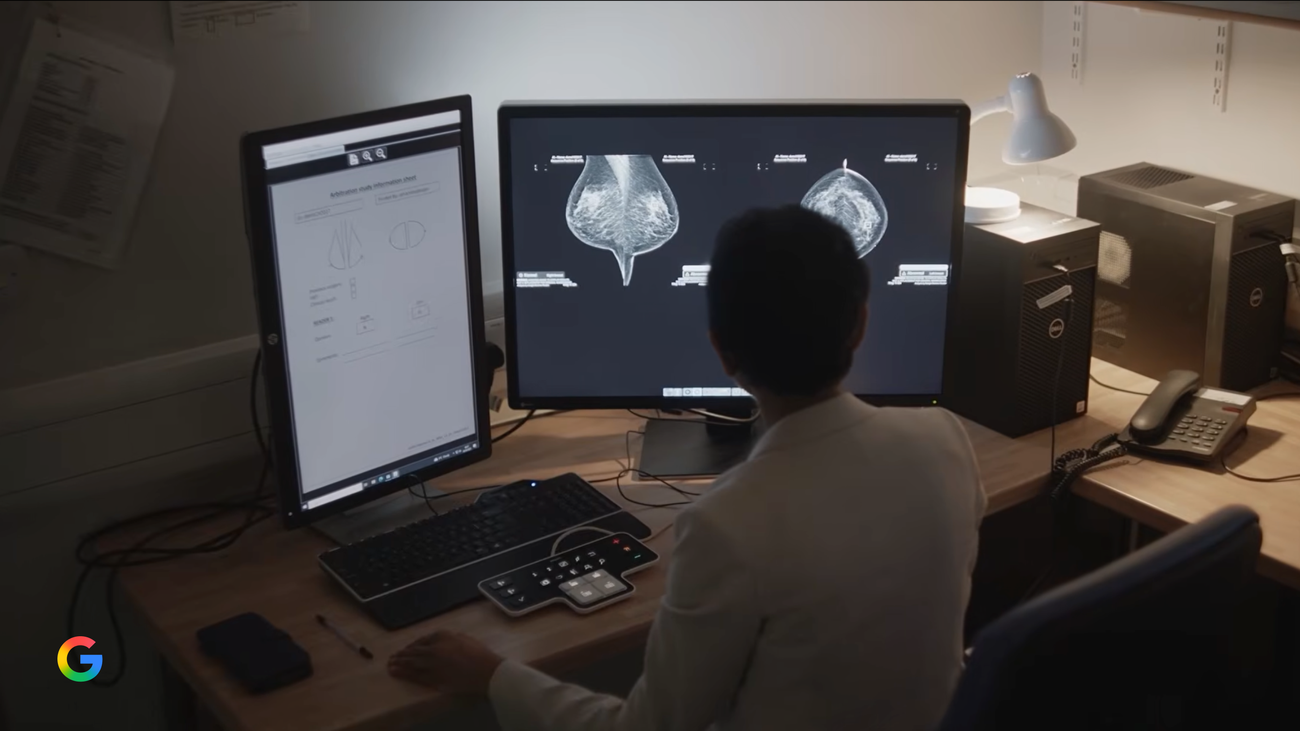
- Enhanced Cancer Detection: In a collaborative effort with Imperial College London and the NHS, Google assessed a mammography screening system involving 125,000 women. The studies revealed that this AI-based system could flag 25% of cancers that were historically overlooked, while also reducing the workload of specialists by up to 40%. This improvement is crucial, especially given the severe radiologist shortages facing healthcare systems today.
- Unveiling Pediatric Leukemia Mutations: At Children’s Mercy Hospital, an AI model named DeepSomatic was applied to real-world childhood leukemia cases. It successfully identified all known mutations while also detecting ten new ones, significantly aiding clinical decisions regarding patient risks and targeted treatment strategies. DeepSomatic, which is publicly available, showcases the potential for AI to inform clinical practices in oncology.
- Proactive Disease Surveillance: In another application, Google’s flu forecasting model was recognized by the Centers for Disease Control (CDC) for its accuracy in predicting flu-related hospital admissions for the upcoming 2025–2026 season. This model outperformed 38 competitors, providing public health officials with vital data to prepare for seasonal flu outbreaks more effectively.
Collaborative Approach to Health Innovation
Transforming health outcomes requires a united effort among scientists, researchers, and institutions. Google is committed to supporting the scientific community by providing advanced models and open-access platforms. Through initiatives like Google.org, they’ve allocated over $60 million to organizations globally, facilitating the application of innovative research in real-world settings.
Organizations such as the Infectious Disease Institute at Makerere University and the University of Pennsylvania are benefitting from this philanthropic support. These institutions are leveraging cutting-edge AI technologies like AlphaFold and AlphaProteo to enhance treatment strategies for diseases, ranging from malaria resistance to complex cancers.
Conclusion: A Healthier Future with AI
Google’s advancements in AI-driven health research not only promise improved disease detection and management but also aim to alleviate the pressures on healthcare systems. By integrating various AI capabilities into one seamless workflow, professionals can transform healthcare delivery and ultimately help individuals lead longer, healthier lives. To explore different AI capabilities in one platform and understand the potential of AI in healthcare, visit this resource.