

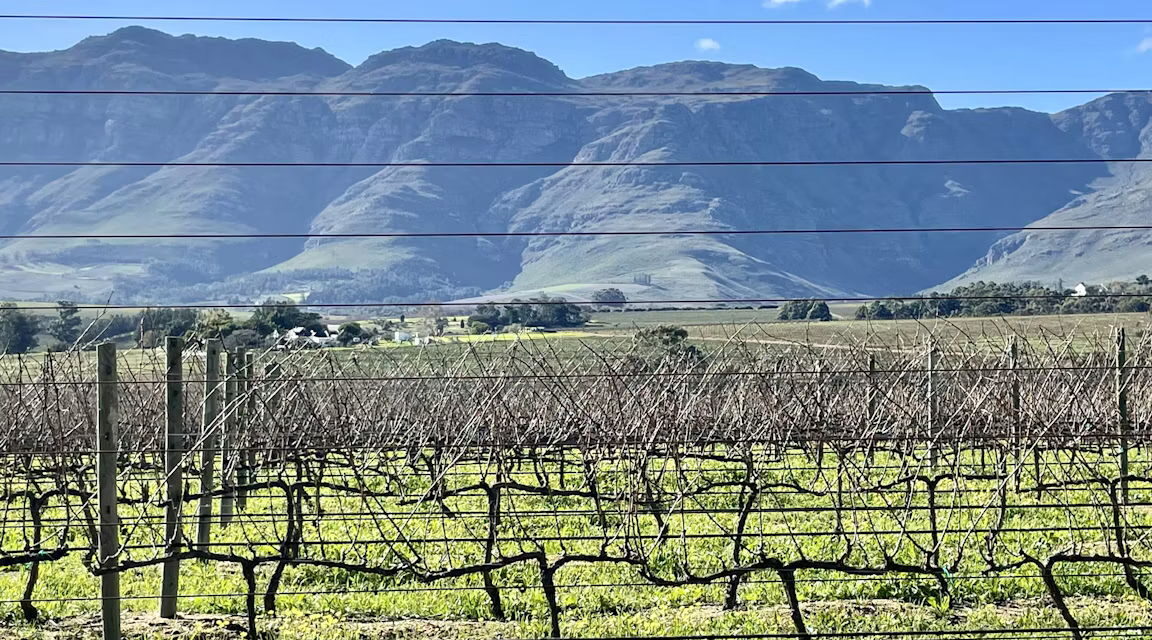

Producers in South Africa’s wine industry are increasingly adopting sustainable practices in response to rising costs and environmental considerations. These growers are turning to innovative methods to minimize their dependence on chemical pesticides, which not only benefits the ecosystem but also their financial bottom line as chemical expenses soar.
Many vineyards are actively monitoring pest populations, allowing for targeted interventions instead of blanket pesticide applications. Additionally, some growers are fostering the presence of beneficial insects and managing habitats that promote natural pest control. This approach not only contributes to pest management but also mitigates disease risks throughout the vineyards.
Though chemical treatments continue to play a role in vineyard maintenance, there is a noticeable shift towards sustainable practices that prioritize preventive measures. Techniques such as pruning have garnered interest, reducing the overall reliance on chemicals while improving vineyard health.
The Economic Imperative for Sustainability
The stewardship practices observed in these South African vineyards are investments aimed at enhancing long-term business resilience. Wine producers report grappling with escalating costs amid market uncertainties; challenges surrounding exports, labor, and chemicals are prevalent. Maintaining healthy soils, conserving water, and increasing drought resistance are deemed essential for sustaining productivity.
As climate challenges intensify and profitability becomes more precarious, the area dedicated to vineyard production in South Africa has contracted. To adapt, several growers are diversifying their portfolios and even altering crop selections to withstand hotter and drier conditions.
Implications Beyond South African Wine
Farmers globally are confronting the realities posed by a changing climate. Insights from this region highlight that effective agricultural solutions emerge from recognizing the interconnectedness of ecological systems and production strategies.
The experiences of South African winegrowers exemplify how sustainable farm management practices can thrive within broader ecological frameworks, offering valuable lessons for the agricultural sector worldwide.
Contributors to this article include students Zoe Van der Walt, Jack Spining, and Dryver Finch.
Hannah V. Herrero, an Associate Professor of Geography & Sustainability, leads sustainability initiatives at the University of Tennessee. Erin L. Bunting is an Assistant Professor of Geography at Michigan State University; Jane Southworth serves as a Professor of Geography at the University of Florida; Jason K. Blackburn also teaches at the university; and Stephanie Insalaco-Wyner acts as an Assistant Professor of Geographic Information Sciences at Southwestern University.
Editor’s Take
This shift towards sustainable farming in South Africa’s wine industry highlights the potential for businesses to adapt to environmental challenges while ensuring economic viability. For stakeholders in agriculture, these practices not only promote ecological health but can also enhance market resilience, providing a model that could influence global farming methodologies.
Source: arstechnica.com