

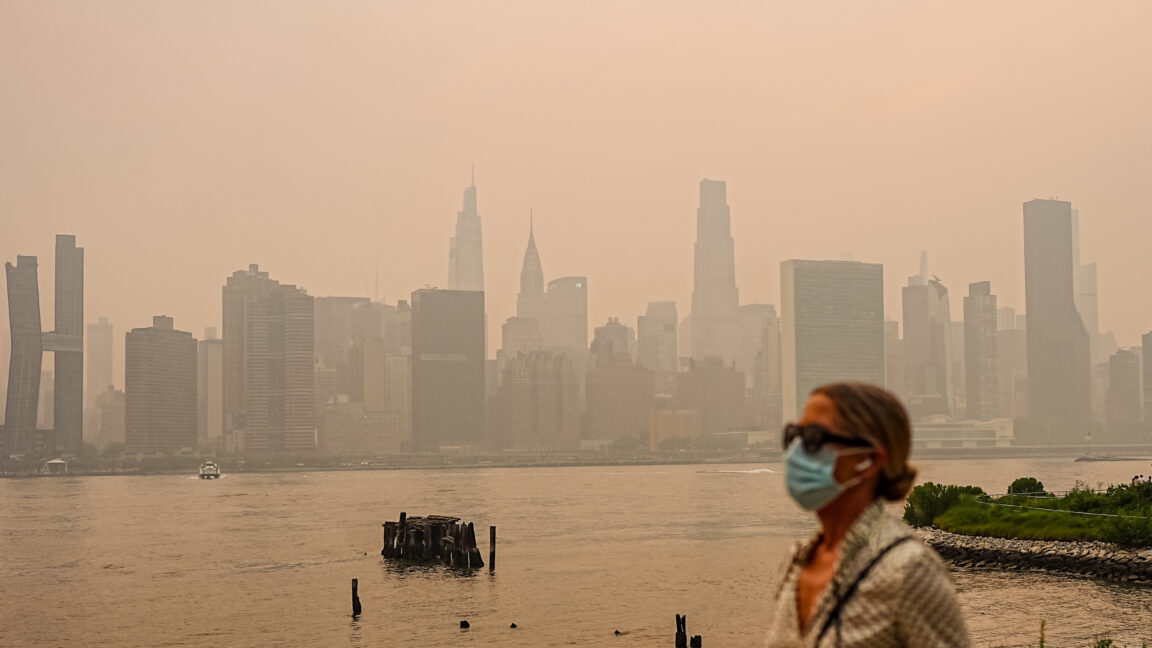

Recent research highlights a troubling trend: exposure to wildfire smoke poses a greater prenatal risk than traditional human-made sources of air pollution. The study, led by researcher Boudreaux, lacks insights into variables such as outdoor time spent by expectant mothers or the use of protective measures like N95 masks and home air-filtration systems. Nonetheless, data from resources such as Purple Air indicates that domestic air quality is severely impacted by PM2.5 pollution linked to wildfire smoke.
This investigation points to specific regions and demographic groups that are disproportionately affected by wildfire-related pollution. The study revealed that the West and Northwest experienced a more than twofold increase in air pollution stemming from wildfires over the period analyzed. Particularly vulnerable communities include low-income, rural sectors, as well as American Indian and Alaska Native populations, which often lack access to essential neonatal healthcare.
Boudreaux emphasized that early-life exposure to wildfire smoke can have lasting health implications, making it crucial to minimize such exposures during pregnancy to safeguard long-term health outcomes.
The last six years have witnessed devastating wildfires in the Western United States and Canada. Boudreaux speculated that extending the study’s timeline to 2026 could expose an even more substantial contribution of wildfires to unhealthy prenatal environments. However, he cautioned that this remains a projection rather than certainty.
What is increasingly evident is the growing role of wildfire smoke in creating “acute, massive air pollution days” that compromise the health of infants. Boudreaux noted, “the next frontier is managing exposure to wildfire smoke, which presents a different challenge compared to traditional air pollutants.”
To address this escalating issue, he advocates for the establishment of resources designed to help affected communities, such as clean-air shelters and air filtration systems, alongside enhanced healthcare access during exposure events. Ultimately, he remarked, “we need to ask ourselves how we can mitigate overall climate change risks.”
This article originally appeared on Inside Climate News, a nonprofit, non-partisan news organization dedicated to covering climate, energy, and environmental issues. Sign up for their newsletter here.
Editor’s Take
This development underscores the urgent need for public health initiatives focused on mitigating air pollution from wildfires, particularly for vulnerable populations. As climate change intensifies, understanding the unique threats posed by wildfire smoke can guide both policy and community preparedness. This research highlights a critical intersection of environmental health and prenatal care that requires proactive measures to protect future generations.
Source: arstechnica.com