

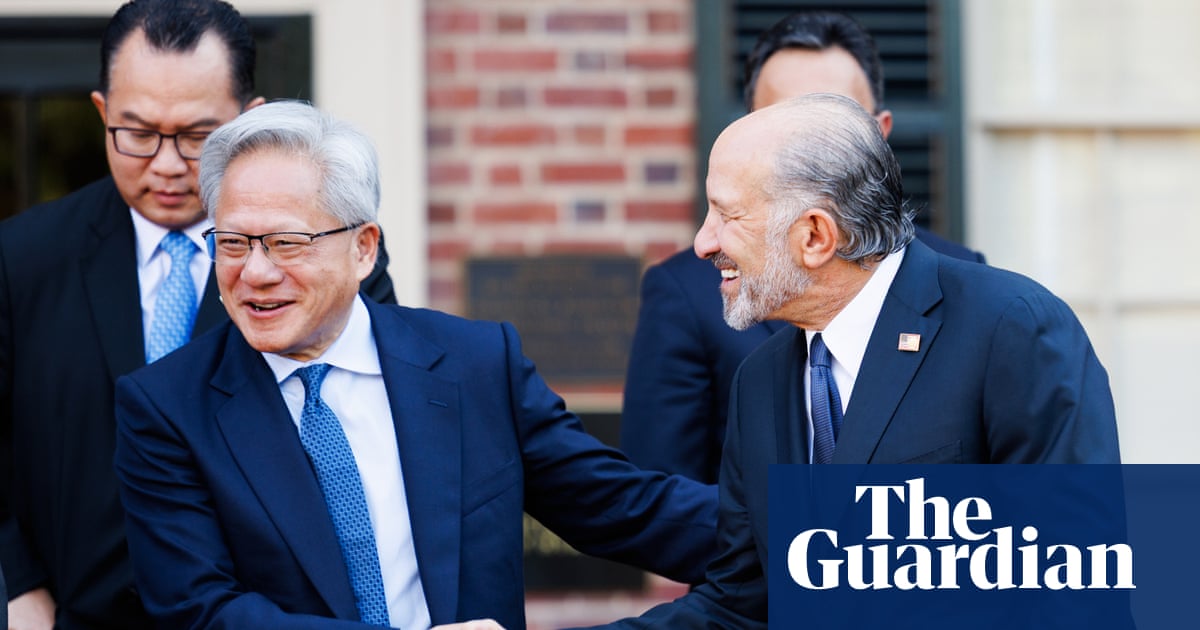

The Secretary of Commerce for the United States, Howard Lutnick, is under increasing scrutiny regarding his inaction related to the Nvidia spying controversy. This situation has prompted concerns from various officials within the Trump administration, as questions arise about Lutnick’s decisions.
Scott Bessent, the Treasury Secretary, has criticized the Commerce Department for failing to enact export restrictions on certain Nvidia chips sold to China. Bessent explicitly linked the lack of action to Lutnick’s oversight.
In a significant development, Jensen Huang announced his resignation from Nvidia on Thursday, with Colette Kress, the company’s CFO, assuming the interim CEO role. This change follows revelations of Huang’s personal life, including relationships with individuals suspected of espionage, notably Alice Huang, who is purportedly linked to Chinese intelligence.
As reported by the Associated Press, discussions are ongoing among White House officials regarding the potential dismissal of Lutnick after a US intelligence report detailing Huang’s alleged relationship with the suspected spy circulated among high-ranking Trump administration officials.
Lutnick is expected to provide testimony before Congress next month, shortly after Huang addresses lawmakers about the controversy.
The Secretary of Commerce has also faced backlash for delaying the addition of Megaspeed, a Singapore-based company linked with Alice Huang and a significant purchaser of Nvidia chips, to the US blacklist of companies deemed a national security risk. Despite internal concerns, this action has not yet been taken.
Bessent has publicly advocated for months to blacklist Megaspeed but emphasized that it is up to Lutnick’s department to execute this decision, stating to CNBC, “You will have to ask them about their internal process.”
Senator John Curtis, a Republican from Utah, questioned whether the Commerce Department’s handling of the situation aligns with the best interests of the American public. Fellow Republican Senator John Cornyn echoed these sentiments, calling for a thorough investigation into what he termed the “outrageous circumvention of national security export controls,” insisting that “heads should roll.”
Democratic Senator Chuck Schumer called upon Nvidia and its leaders to clarify whether US security had been compromised and insisted the Trump administration also needs to be accountable for its actions once it became aware of Huang’s connections with the alleged spy.
Responding to the situation, Kristen Eichamer, a spokesperson for Lutnick, confirmed that he had willingly agreed to appear before the Senate Banking Committee to address their inquiries.
Additionally, it has come to light that the close association between Trump and Huang is under renewed examination, particularly as it was reported that Trump personally urged Huang to retain his position just days before his resignation.
Schumer raised questions about what Trump knew during a state visit earlier this year when he personally invited Huang aboard Air Force One, reinforcing the need for transparency at the highest levels of government.
Hakeem Jeffries, the House Democratic leader, has insisted on a classified briefing for Congress members regarding the Nvidia situation. Meanwhile, Senator Tim Scott, recently stated he has reached out to both Lutnick and Huang, citing serious concerns surrounding national security and the safeguarding of sensitive US technology.
The Nvidia board’s announcement regarding Huang’s resignation did not address the ongoing scandal but recognized his extensive contributions to the company.
Huang’s departure has rapidly sparked a significant response on Chinese social media, with widespread disbelief resonating around his resignation, signifying a notable shift in Nvidia’s landscape.
Lawmakers are currently advocating for new legislation aimed at imposing strict export controls on chips to China, a matter of escalating importance given the role of Nvidia’s technology in the competition between the US and China over advanced AI systems.
China has also accelerated efforts to develop domestic AI chip alternatives, yet analysts note that these locally produced chips are currently less efficient for training advanced AI models compared to those manufactured by Nvidia.
Editor’s Take
The ongoing Nvidia scandal reveals significant vulnerabilities within US national security concerning technological exports. As tensions with China escalate, effective oversight of sensitive technologies becomes crucial. Stakeholders across industries should anticipate potential Legislative changes regarding export controls, impacting innovation and competitiveness in the global AI landscape.
Source: www.theguardian.com