University Lecturer Loses Fair Work Case Over Fabricated Cognitive Disorder Claim

A university lecturer has recently lost her case in the Fair Work Commission after failing to prove that her ‘disability’ justified her desire to work remotely from home, located 900 kilometers away from her university.
Dr. Anna Kokavec, a Senior Lecturer in Medical Education at James Cook University (JCU) in Townsville, applied for a remote working arrangement on the Sunshine Coast for a duration of one year, stating it would assist her in managing health issues related to burnout.
In her application submitted in October 2024, Dr. Kokavec disclosed her diagnosis of a cognitive disorder and argued that the arrangement was essential for her physical and mental health, as well as to enable familial support.
Her request was ultimately denied by JCU, which cited the necessity for in-person interactions with students, emphasizing the ‘student-facing’ nature of her role.
In documentation reviewed by the Commission, Dr. Kokavec noted, “These changes will assist me because I have been diagnosed with a cognitive disorder, which is a recognised disability.” She mentioned previous work-related incidents that exacerbated her condition and argued that attending the campus would worsen her symptoms.

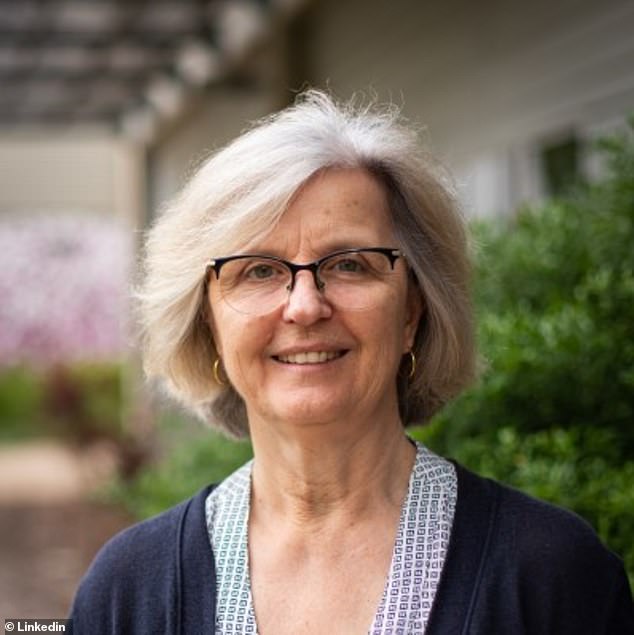
Dr. Anna Kokavec – who is a senior lecturer in medical education – failed to convince the Fair Work Commission that her claimed disability resulted in her having to work from home.
In correspondence from early 2025, JCU indicated that her responsibilities included developing and conducting training in professionalism and self-care, best achieved through face-to-face workshops. Although the university later offered a trial arrangement allowing her to work remotely for 40% of her duties, Dr. Kokavec rejected the proposal and submitted a medical certificate. This document indicated that she was fit to work from home but stated that attending the workplace would be detrimental to her mental health.
During the Fair Work hearing held in Brisbane, Dr. Kokavec cited multiple diagnoses including Post-Traumatic Stress Disorder (PTSD), an adjustment disorder, and fibromyalgia. When questioned about her earlier description of a cognitive disorder, she admitted that the language was intended to emphasize the negative impact of workplace attendance on her ability to function.
In her ruling, Deputy President Terri Butler concluded that Dr. Kokavec had not sufficiently demonstrated the existence of a cognitive disorder associated with her work-from-home request. She noted that the request lacked clarity regarding how the proposed arrangements would relate to any existing conditions or symptoms.
As a result, Dr. Kokavec’s application for a remote working arrangement was dismissed by the Commission. The case has raised questions about the intersection of workplace policies and health accommodations, particularly for educators in roles that require significant interaction with students.
Editor’s Take
This ruling highlights the challenges faced by employees requesting remote work due to health issues, emphasizing the need for clear connections between job requirements and health conditions. For professionals in similar positions, this case could influence future requests for workplace flexibility, particularly in education sectors where in-person attendance is often deemed essential.
Source: www.dailymail.com