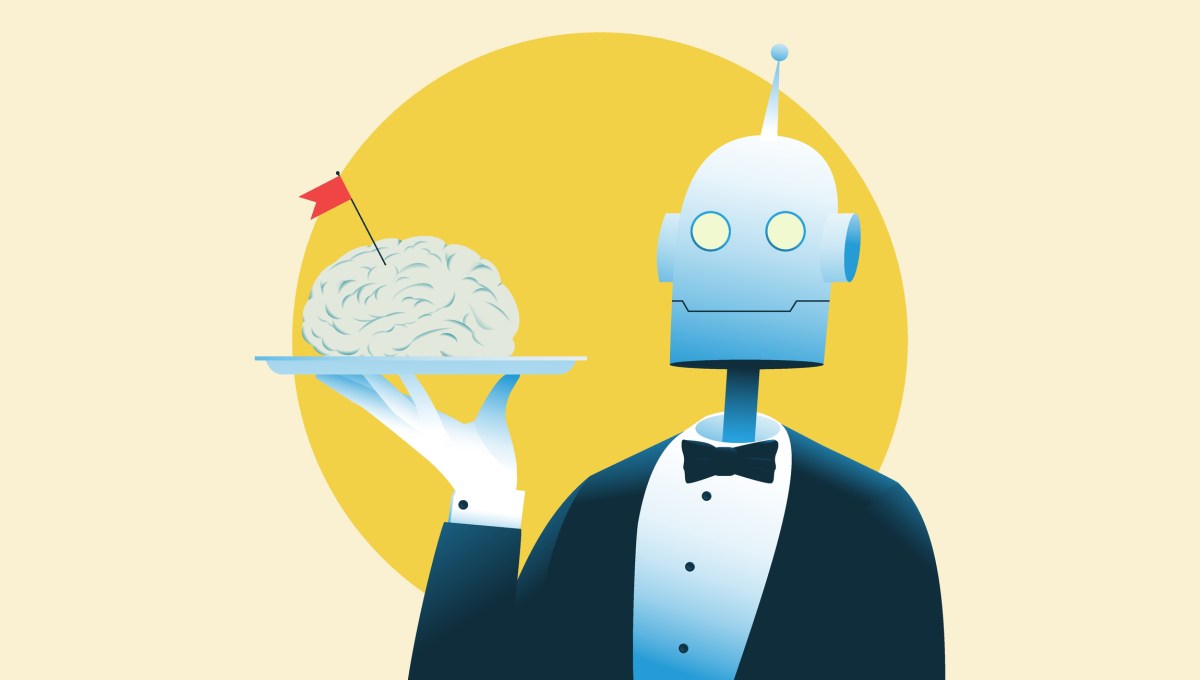

In the UK, discussions are intensifying around the widespread implementation of AI technology within the NHS to enhance patient care. Additionally, the AI sector has played a crucial role in revitalizing the UK economy this summer. There is an increasing push for its integration across various sectors, including the workplace, education, and personal activities.
The AI industry is considered a cornerstone of the UK’s strategy for economic progression. A former governmental adviser highlighted the critical nature of this technology by stating, “There is no plan B,” raising concerns about whether a downturn could jeopardize Britain’s future in this field.
Despite the enthusiasm, the AI sector is reportedly consuming vast resources and funds while generating insufficient revenue. Numerous accounts indicate that several companies adopting AI solutions are experiencing disappointment in their investments.
Economists predict that even the current leaders in the AI space may struggle to endure, signaling a potential market correction or “bubble burst.” However, the firms that thrive could evolve into unprecedented mega-corporations, raising new concerns regarding their influence and responsibilities.
The decision by OpenAI to pause its plans for a stock market debut might reflect a newfound commitment to public safety, yet it could also indicate that they fear the market might undervalue their offerings while public perception labels AI as dangerous.
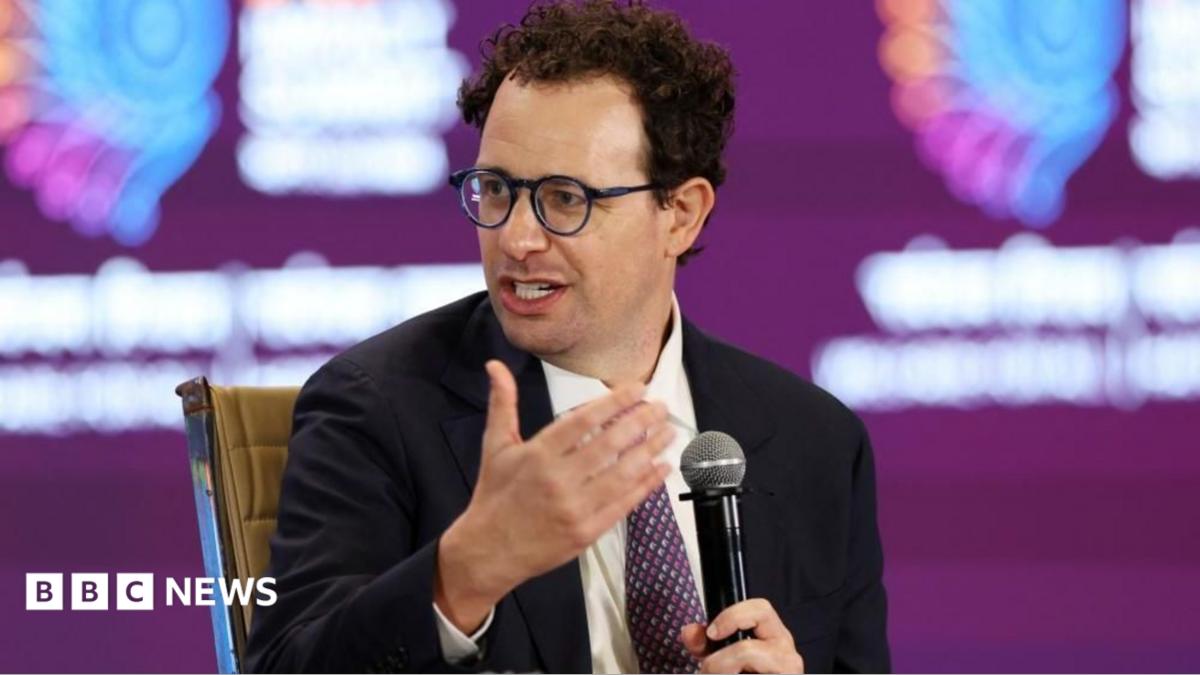
“One of the most significant challenges we face right now is the unpredictability of how this technology will evolve,” stated Alexander Voica, a representative from the UK-based AI firm Synthesia. He emphasized that while AI systems are becoming more advanced, their practical applications remain uncertain, and rushing into regulations could be counterproductive.
Underpinning this tech evolution is a substantial flow of investment. “My concern lies not in the existential threats posed by AI but in the corporate greed of its creators,” remarked Sasha Luccioni, founder of Sustainable AI.
Professor Dame Wendy Hall, a prominent computer scientist and UN AI advisor, indicated that the real issue is the irresponsibility exhibited by corporations. She uses an analogy of a farmer and an escaped bull to illustrate the need for effective oversight around AI development.
“It’s not the bull’s fault—it’s the farmer’s,” she asserted, suggesting the current safeguards around AI are insufficient.
However, concerns arise that if these regulations become excessively stringent, they could stifle innovation within the AI sector.
Some critics propose that there may exist a secretive, politically motivated effort to impose regulations that could effectively “regulate AI into oblivion,” a notion echoed by Parker Thayer, an investigative researcher at the Capital Research Centre. His message on social media garnered nearly eight million views, illustrating a significant divide in public opinion on regulation.
Regardless of the truth, the current turmoil within the AI sector may have irreparably harmed the reputations of leading companies.
As Professor Hall pointedly asks, “Would you invest in a company that claims it could lead to human extinction?”
Additional reporting by Tom McArthur
Editor’s Take
The developments surrounding AI regulation are crucial, as they could profoundly impact innovation, investment strategies, and user trust in AI technologies. Companies must navigate a complex landscape of potential regulations while balancing public safety with continued advancement. The current conversation around corporate responsibility versus the need for regulation will define the future trajectory of the AI industry.
Source: www.bbc.co.uk