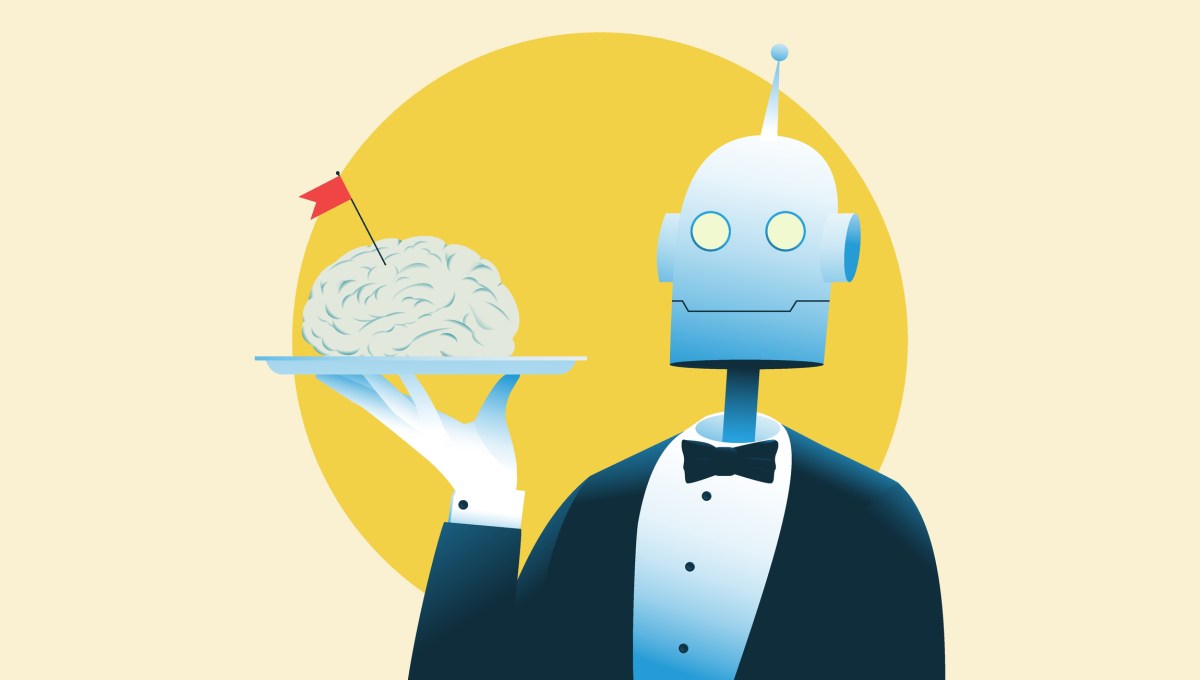

Dazzle AI CEO Marissa Mayer has recently come under fire for comments that many perceive as disconnected from the real-world concerns of everyday users, further intensifying debates surrounding the responsibilities of tech leaders in shaping AI’s role in society.
Mayer’s remarks, which included a suggestion to use an AI tool for crafting school assignments for her daughter, echo previous comments made by other tech executives. For instance, OpenAI CEO Sam Altman has advocated for personalized AI experiences for children, proposing that parents could create customized podcasts for school commutes. Meanwhile, Meta CEO Mark Zuckerberg hinted at a future where AI will satisfy social and romantic needs.
These statements have sparked a wave of skepticism, with Amanda Silberling of TechCrunch questioning whether these AI leaders are too insulated to truly understand the needs of the general public. This scrutiny comes at a critical time as Anthropic, another prominent AI company, prepares to go public amid signs that Wall Street’s enthusiasm for AI investments may be waning.
In a recent episode of the Equity podcast, experts including Kirsten Korosec and Sean O’Kane discussed why tech executives often appear out of touch. Korosec proposed that the problem might lie in the messaging of these technologies, while Silberling suggested that the industry’s push towards optimization could detract from essential human interactions.
Silberling remarked, “It feels like people are trying to over-optimize out of just having conversations.” She reflected on personal experiences, noting that many her age struggle with basic communication, preferring online transactions over phone calls. This reflects a broader cultural shift where basic human contact is increasingly replaced by automated interactions.
Sean O’Kane raised an important question about the return on investment of genuine human experiences, while Silberling critiqued an over-reliance on AI to handle simple tasks, arguing that trusting AI to dictate personal relationships is inherently flawed.
The discussion then turned to the broader implications of this growing trend, with Korosec questioning the intended audience for such technological optimizations and whether they genuinely address key user concerns. Silberling pointed out that tech leaders are often focused on issues like flight bookings, which may not reflect the true pain points of the average user.
Silberling also noted a cultural reaction against over-optimization, highlighting a rise in interest for simpler technologies, such as flip phones and physical media. This trend suggests a longing for a balance between digital convenience and authentic human experience, a sentiment many industry observers believe is gaining traction.
Editor’s Take
The disconnect between tech CEOs and everyday users could have significant ramifications for AI adoption. If industry leaders continue to advocate for overly optimized, automated solutions, they risk alienating a public that values genuine human interaction. This could stifle innovation that resonates with consumers, ultimately affecting revenue streams and broader acceptance of AI technologies.
Source: techcrunch.com