

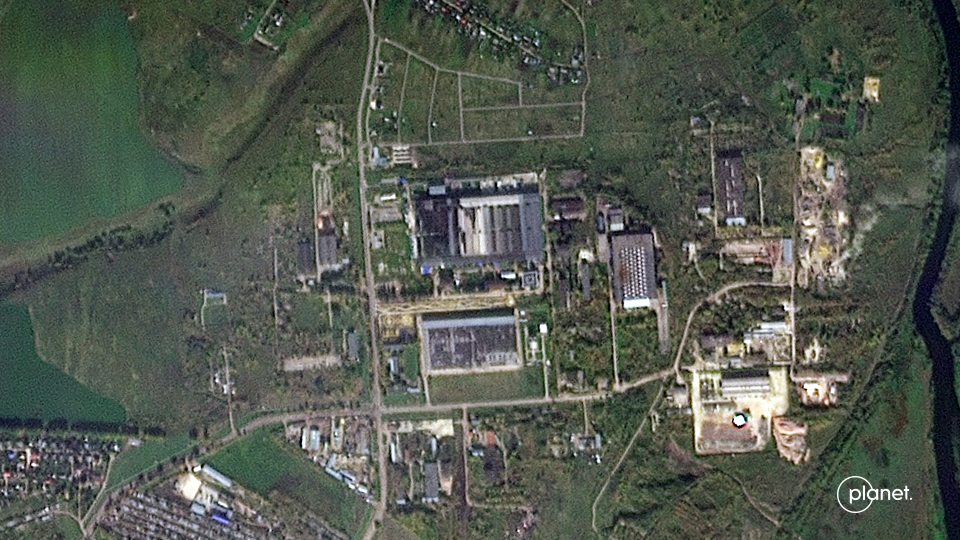

In a significant escalation of the ongoing digital warfare between Ukraine and Russia, Ukrainian drone strikes recently disabled a prominent data center operated by Yandex, often referred to as “Russia’s Google.” This incident highlights a broader trend where data centers have become critical targets in modern conflicts.
The drone assault also affected various Russian services, including a popular dating application, a real estate aggregation platform, a self-publishing book service, and the official website of one of the leading football clubs in the Russian Premier League, as reported by Reuters.
Data centers have increasingly been caught in the crossfire of geopolitical tensions, especially noticeable since February 2026 when the United States and Israel conducted attacks on Iran, resulting in Iranian drones causing significant damage to Amazon data centers located in regions such as Bahrain and the United Arab Emirates.
On the other hand, Russia has launched extensive missile and drone strikes targeting Ukraine’s urban areas since the onset of its full-scale invasion in February 2022. These attacks have predominantly aimed at essential infrastructure, including power grids, transport hubs, and residential buildings.
Recently, Ukraine has faced a shortage of interceptor systems capable of neutralizing Russian missile threats and drone incursions. However, the Ukrainian military is adjusting by intensifying its long-range drone operations, countering Russian initiatives through targeted strikes.
Ukrainian drone attacks have primarily concentrated on Russian military installations, logistics networks, and energy facilities, like oil refineries. Furthermore, this past summer witnessed Ukraine targeting warehouses of major Russian e-commerce companies, such as Wildberries and Ozon, which serve as local counterparts to Amazon.
In a notable shift in the conflict’s dynamics, coordinated drone strikes have led to the sinking of two commercial vessels in the Black Sea within the exclusive economic zones of NATO member states, Romania and Bulgaria, on October 5 and 6. Ukrainian President Volodymyr Zelenskyy has attributed these incidents to Russian efforts.
Editor’s Take
This development underscores the increasing integration of technology in military strategies, particularly the utilization of drone warfare. As battles extend into cyberspace and vital infrastructure, businesses and users alike must be vigilant about data security and the potential ramifications of geopolitical conflicts on tech services. The implications for the AI industry are profound, signaling a necessary emphasis on resilience against similar targeted disruptions.
Source: arstechnica.com