Three Men Charged in the US for Using AI to Impersonate CEOs and Steal Millions

In a shocking case of high-tech fraud, three foreign individuals have been arrested and charged for allegedly leveraging artificial intelligence to impersonate corporate executives and attorneys, resulting in the theft of over $100 million. The indictment, recently unsealed by the U.S. Department of Justice, reveals a sophisticated scheme that exploited AI capabilities to deceive employees into transferring large sums of money.
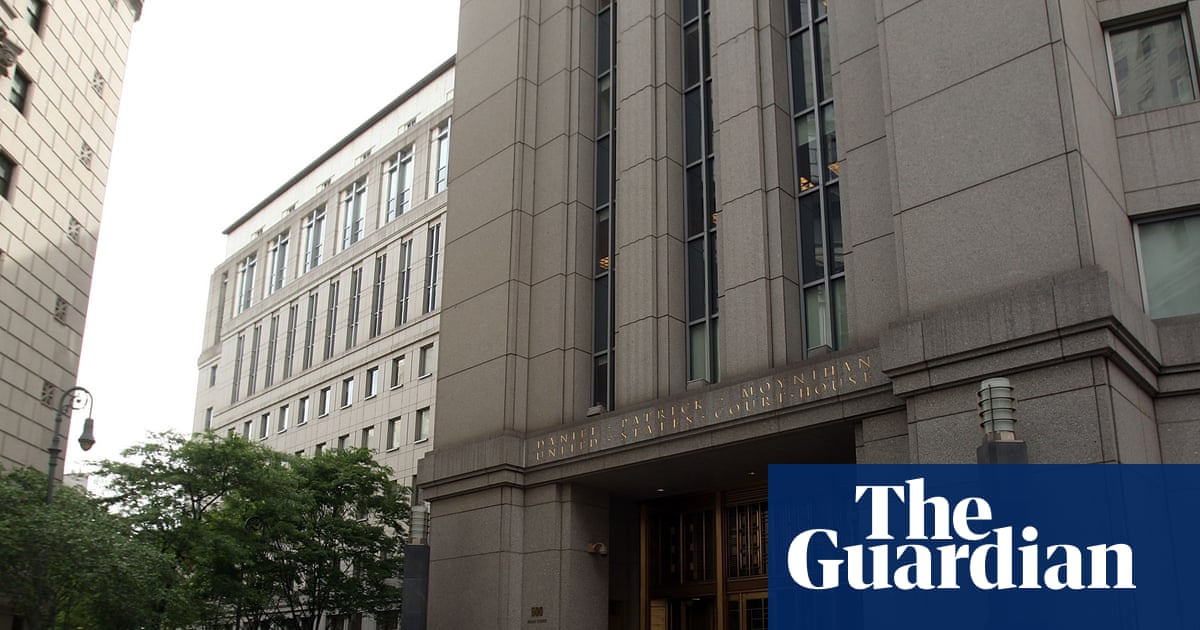
According to a press release from the United States Attorney’s Office for the Southern District of New York, the accused—Jacob Soall, Sharon Hazan, and Guy Sheetrit—were arrested in various locations, with Soall and Hazan apprehended in Spain this summer and Sheetrit detained in the United Kingdom last month. The fraudulent activities allegedly took place between 2024 and 2026.
The trio is accused of using AI to replicate the voices and images of senior corporate officials, which they used to manipulate employees at various companies into believing they were engaged in crucial financial transactions. Their strategy involved instructing these employees to contact attorneys from prestigious international law firms, whom they then impersonated to authorize large wire transfers.
It is estimated that the accused managed to embezzle over $129 million from businesses across the globe, including significant sums such as nearly $5 million from a hospital system in Missouri, approximately $2.7 million from a bank in Rhode Island, and about $5 million from a pet food company in Florida. They allegedly siphoned over $11 million from a tech company based in the UK.
The stolen funds were directed to bank accounts located in the U.S. and several other countries including Spain, Portugal, Greece, the United Arab Emirates, Singapore, Austria, Slovakia, and China. Following these transactions, the perpetrators converted the stolen money into cryptocurrency to obscure the origins and distribution of the illicit gains. Soall and Hazan reportedly used multiple aliases, with Soall adopting names like “Seba Clarke” and “Rocky Balboa” while Hazan referred to himself as “Superman Cash” and “Fat Boy.”
U.S. Attorney Jamie McDonald commented on the case, highlighting the potential misuse of advanced technologies for criminal activities. James C Barnacle Jr, an Assistant Director of the FBI, emphasized the need for law enforcement agencies to evolve rapidly in response to the ways criminals exploit technology.
The men face serious charges, including conspiracy to commit wire fraud, multiple counts of money laundering, and aggravated identity theft.
Editor’s Take
This case raises critical concerns about the implications of AI technologies in the realm of fraud. As criminals harness AI for deceptive practices, the urgency for enhanced cybersecurity measures intensifies. Businesses must fortify their protocols to safeguard against sophisticated impersonation schemes, while developers should prioritize creating tools that can detect and mitigate such threats. The future of AI technology hinges on its ethical use, and this incident serves as a stark reminder of the potential risks involved.
Source: www.theguardian.com