
Tragic Bird Flu Death Recorded in Washington State
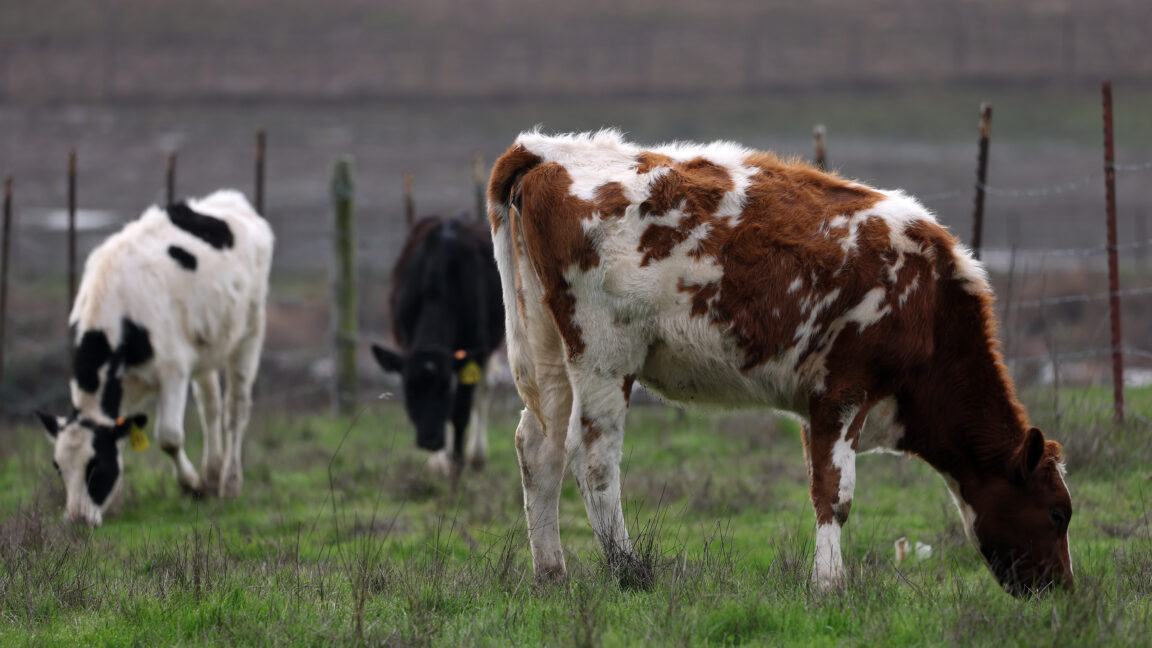
A resident of Yakima County, Washington, has succumbed to complications from bird flu following exposure at an infected dairy farm, as reported by state health officials on Sunday. This incident marks the third death linked to a strain of highly pathogenic avian influenza (HPAI) in the United States, stemming from a transmission not only to poultry but now to dairy cattle, first confirmed in March 2024.
The deceased individual reportedly had pre-existing health conditions that may have exacerbated their vulnerability to the infection. On Friday, authorities announced that the individual was critically ill while hospitalized. In their follow-up statement regarding the death, officials chose not to disclose further personal details, such as the individual’s name, gender, or age, in order to respect the family’s privacy.
“Our hearts go out to the individual’s family and loved ones during this difficult time,” stated Dave Atteberry, health officer for the Yakima Health District. “Avian influenza can result in severe health issues, particularly among those with underlying conditions. Although this outcome is tragic, the general public’s risk remains low.”
Ongoing Concerns
Since the emergence of the virus in dairy herds in Washington on October 8, a total of three individuals have tested positive for bird flu within the state, all in Yakima County. In conjunction with the announcement of the recent death, officials confirmed a third positive case. This latest individual also had contact with an infected dairy herd, but reports indicate that they have not experienced severe symptoms or required hospitalization.
Editor’s Take
This development highlights the ongoing threat posed by avian influenza as it crosses species barriers, raising concerns for public health and livestock management. With a low risk to the general public, vigilance among health authorities remains crucial to mitigate potential outbreaks. This situation emphasizes the need for robust monitoring and rapid response systems in agriculture.
Source: arstechnica.com