

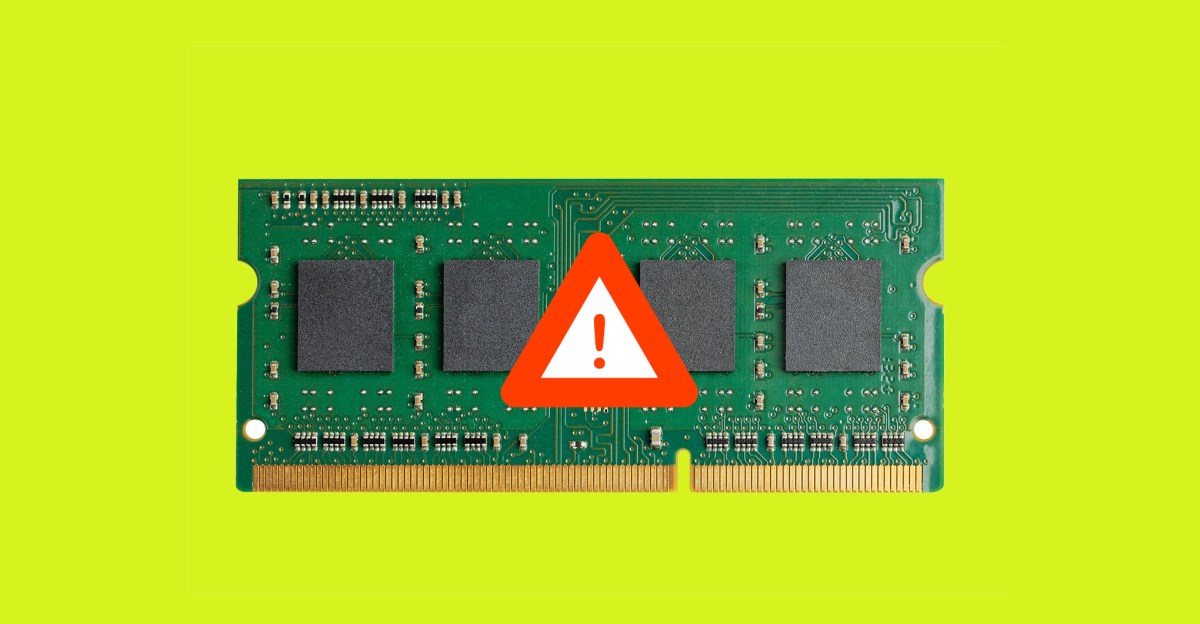

CPU manufacturers are increasingly aware that rising RAM prices are hindering PC upgrades for many users. In response, they are reverting to last-generation DDR4 RAM as a viable solution. Both Intel and AMD are releasing new processors that will support this more affordable memory option.
On Friday, Gigabyte announced that two of its motherboard lines will be compatible with upcoming processors designed for Intel’s LGA 1700 socket. This socket, which made its debut in 2021 with the 12th generation Alder Lake CPUs, initially supported both DDR4 and the newer DDR5 RAM. However, Intel’s recent shift to a DDR5-exclusive design in 2024 has limited options. Now, according to Gigabyte, dual support for both types of RAM is set to return, with new LGA 1700 chips expected to be released in early 2027.
Intel did not provide a comment upon request.
This change highlights the LGA 1700’s flexibility in accommodating both DDR4 and DDR5 RAM, offering a significant advantage over its successor. The strategic pivot allows users to upgrade their CPUs without the necessity of also investing in the expensive DDR5 memory. Similarly, AMD is taking a comparable approach. In August, Gigabyte revealed plans for a new series of motherboards tailored for AMD’s legacy DDR4-compatible AM4 platform, coinciding with the 10th-anniversary relaunch of the Ryzen 7 5800X3D CPU.
Since its introduction in 2014, DDR4 has been succeeded by the faster DDR5. Typically, investing in over a decade-old technology would seem imprudent, but the current RAM shortage has altered this perspective. Presently, DDR4 RAM is experiencing comparatively less severe price increases than DDR5.
First-hand experience with the pricing disparity was evident recently when looking for replacements after a DDR4 kit failed. A 32GB DDR5 Corsair Vengeance RAM kit is priced around $620, while its DDR4 equivalent is available for approximately $260. Although this price reflects an increase compared to DDR4’s average cost in mid-2025, it starkly contrasts with DDR5’s prices, which are more than double. While DDR5 offers clear advantages such as improved speeds and power efficiency, these benefits may not justify the current price tag for many consumers.
According to industry analysts, it could take years for RAM prices to stabilize, a reality that many consumers are beginning to accept, particularly with the resurgence of older sockets and chipsets. For now, holding onto DDR4 RAM might be a wise decision.
Editor’s Take
This shift back to DDR4 could significantly ease the financial strain on consumers looking to upgrade their systems. As the tech industry navigates ongoing supply chain issues, offering support for older technologies may encourage more users to invest in upgrades without the burden of exorbitant costs. This decision is not just practical for individual users but may also have broader implications for businesses and developers who depend on cost-effective solutions in an increasingly competitive landscape.
Source: www.theverge.com