

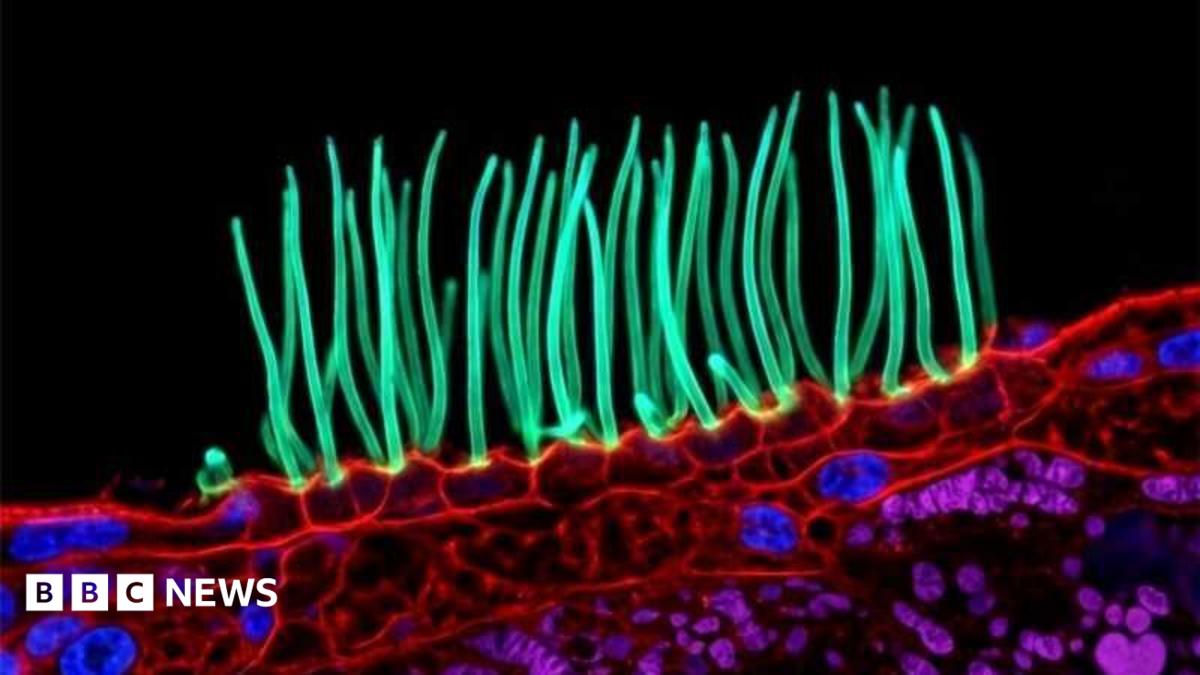

Nikon has disqualified the winner of its esteemed Small World In Motion contest following allegations from the scientific community that the awarded video may not be authentic. The competition, which showcases stunning images and videos captured with advanced microscopy, is held annually.
The controversy arose when it was revealed that the winning entry employed generative AI technologies in its creation. Nikon stated that this use of AI contradicted the competition’s regulations, though they clarified that this decision did not reflect on the entrant’s professional credibility or scientific achievements.
As part of its response, Nikon indicated plans to review the rules governing the contest, which has been a platform for microscopic artistry for the past 15 years. The company emphasized that the decision to disqualify the submission was made after a comprehensive evaluation of the video and a thorough consultation with judges involved in the competition.
The disqualified video was submitted by Dr. Ning Xu from Tsinghua University in China. It depicted minute, hair-like structures known as cilia, moving within the airway of a child diagnosed with primary ciliary dyskinesia (PCD).
Dr. Xu has publicly acknowledged the use of AI in his work, asserting his belief that he operated within the rules of the contest and stating his willingness to cooperate during Nikon’s investigation.
A wave of concerns had emerged from various scientists, including former judges of the competition, who expressed skepticism regarding the video’s authenticity on Nikon’s LinkedIn page. Among the critics was Dr. Robert Hirst, a prominent figure from the University of Leicester and the lead scientist for the NHS center dedicated to diagnosing PCD. Dr. Hirst stated that his extensive experience examining cilia had led him to conclude that the video was not genuine.
Dr. Hirst’s remarks highlighted that the structures shown in the video did not resemble those observed in actual PCD patients, emphasizing the implications this controversy has for patients, researchers, and medical professionals worldwide.
Editor’s Take
The disqualification of Dr. Xu’s entry raises significant questions about the role of AI in scientific visualization and competition integrity. As generative AI technologies continue to evolve, it is imperative for organizations to clearly define the boundaries of acceptable use in research and competition environments. This incident not only impacts the credibility of the competition but also speaks to broader concerns about authenticity in scientific imagery.
Source: www.bbc.co.uk