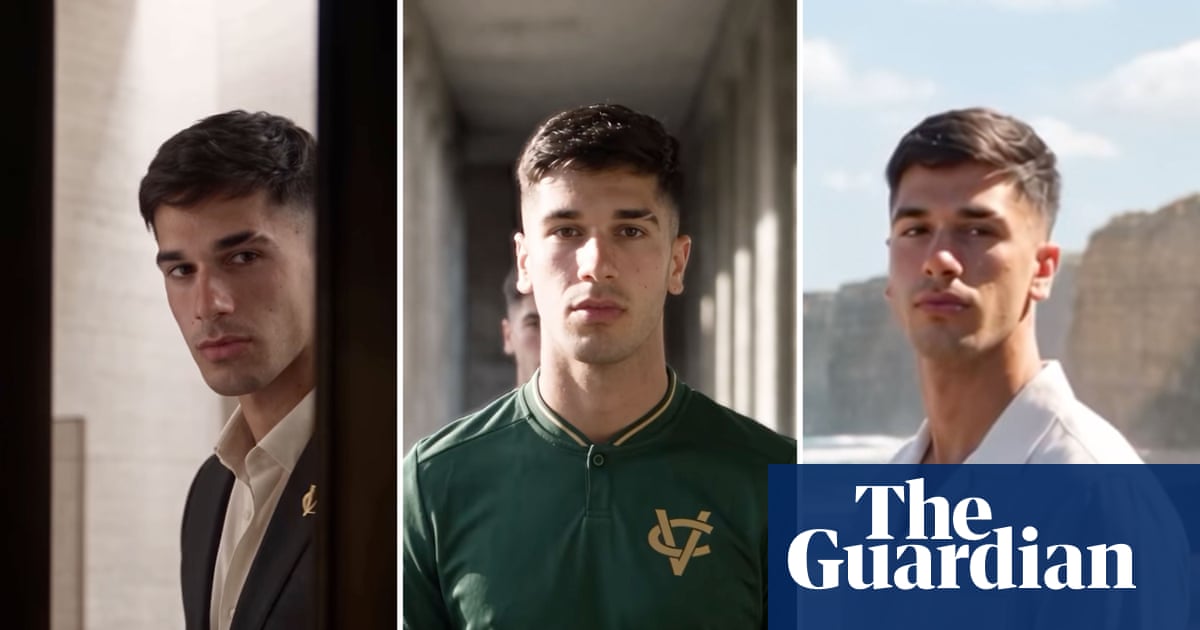

Cristian Volpato, an emerging talent in the world of football, has taken a definitive step into the digital age by licensing his AI likeness through a new venture. In a creative social media campaign, the Socceroos player appears alongside digital clones of himself in various stunning locations. While the video is tech-driven, it represents a significant professional move for the 22-year-old footballer, as he aligns with the growing trend of athletes monetizing their digital personas.
In the video, Volpato is seen in a sharp white linen suit, his digital twin captured against the breathtaking backdrop of the Twelve Apostles on Australia’s southern coastline. Other clones showcase his image on a large digital billboard and in more personalized settings, underscoring the versatility and appeal of AI-generated content.
This initiative was made possible through a partnership with Callandor, a California-based company specializing in AI licensing for athletes. Their role is to manage Volpato’s digital identity, including his voice, biometric profile, and performance data, while monetizing his image for brand collaborations.
Emerging Industry of Digital Twins
Volpato’s agreement with Callandor, finalized in mid-September, grants the company exclusive rights to his AI representation. According to Michael Fisk, co-founder of Callandor, the aim is to create “synthetic twins” who can engage in marketing opportunities around the clock, thus ensuring athletes don’t miss out on lucrative brand deals.
Founded recently, Callandor’s roster includes not only Volpato but also notable athletes like Brazilian footballer Jorginho and American sailor Chris Poole. As the company explores new avenues beyond traditional advertising, its innovative approach aims to foster personalized fan interactions through AI technology.
Fisk emphasizes the potential for a synthetic twin to offer feedback to aspiring footballers in real-time, proving beneficial even when the athlete is unavailable to provide direct guidance.
The Race for AI Rights
Volpato’s engagement with AI technology comes amid increasing concerns about the unauthorized use of athletes’ likenesses in AI-generated content. Earlier this month, the AFL directed its gambling partner, Sportsbet, to cease utilizing AI images of players without consent following objections from the players’ union. This incident highlights the pressing need for athletes to assert their rights over their digital identities before others exploit them.
The convergence of advanced technology and the sports industry raises questions about how brands will value AI representations compared to the authentic athlete. Despite uncertainties, experts like William Saunders of the startup Hyperknown believe that leveraging AI can pave the way for expansive opportunities, allowing athletes to reach audiences globally.
Navigating Legal Complexities
The legal terrain regarding AI rights remains complex. Experts warn that while athletes have some protections against unauthorized usage of their images, many deepfake technologies still thrive without regulation. The potential for misuse prompts calls for clearer laws governing digital representations.
Throughout the industry, the need for consent is becoming a prominent issue as more athletes seek to control their digital identities. Recent initiatives by high-profile footballers, including campaigns to combat unauthorized deepfakes, highlight the urgency for athletes to safeguard their likenesses as technological capabilities expand.
Editor’s Take
This development signifies a pivotal moment in the intersection of sports and technology. By embracing AI likeness licensing, athletes can take control of their digital identities while exploring new revenue streams. For fans, the prospect of interacting with AI versions of their favorite players could enhance engagement, but it also raises ethical considerations about authenticity and consent.
Source: www.theguardian.com