
Understanding Ice Sheet Dynamics Through Geological Research
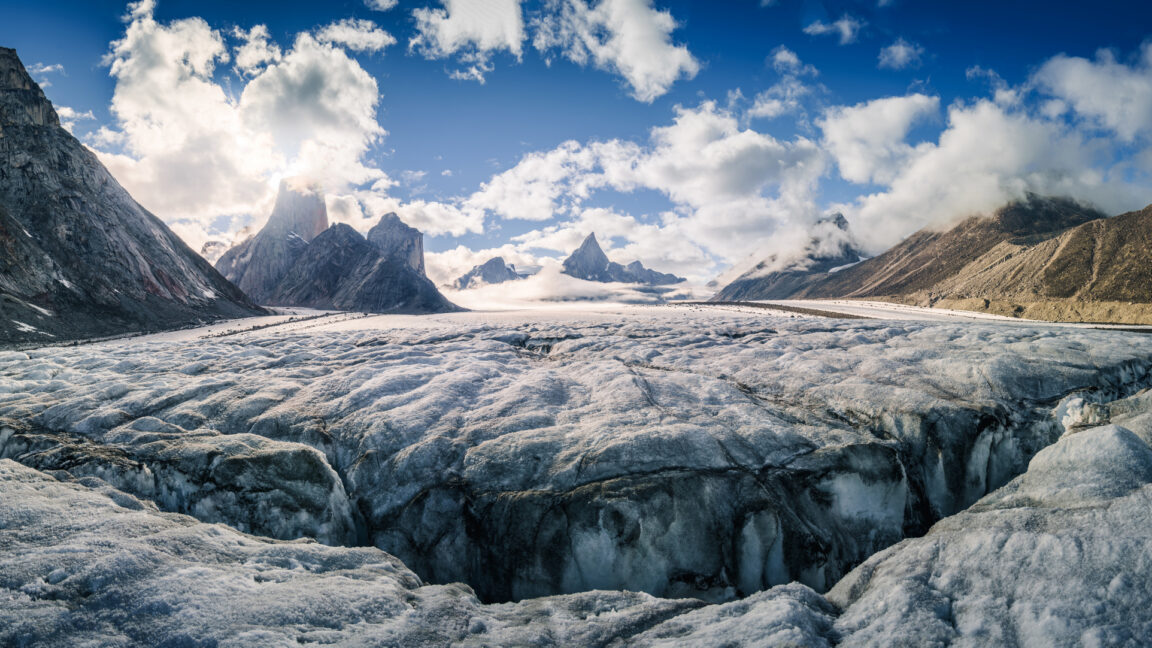
Recent advancements in geological research have shed light on the history of ice sheet dynamics, specifically focusing on the Laurentide Ice Sheet in North America. Utilizing innovative methods, scientists have been able to ascertain the timeline of ice retreat and subsequent plant life that thrived in its absence.
One prominent technique involves measuring levels of beryllium-10, an isotope found in the top layers of exposed rock. By taking samples from the surface of boulders and analyzing the beryllium levels, researchers can determine how long these rocks have been free from ice cover. Findings indicate that the Laurentide Ice Sheet retracted to its current margin approximately 3,600 years ago, with a further reduction occurring around 3,000 years ago.
Investigating the Impact on Flora
Another significant aspect of the study involves examining the remains of ancient flora, particularly mosses, that once flourished on the land. According to researcher Young, these mosses, which were actively growing before the resurgence of the ice sheet, offer critical insights. As the ice expanded, it effectively smothered these plants, leading to their demise.
By employing radiocarbon dating on the moss remnants, the team has been able to establish a “kill date,” marking the precise moment the ice encroached upon the vegetation. Compiling multiple kill dates from various locations allowed scientists to recreate a detailed map illustrating the movement of the advancing ice margin.
Interestingly, nearly 70 percent of the radiocarbon dates clustered around the year 1800 CE, coinciding with the peak of the Little Ice Age. Young notes that this period represents the maximum glacial extent in the Northern Hemisphere over recent millennia, suggesting that the ice was still advancing after two millennia of gradual movement.
A Closer Look at Nearby Ice Caps
Many of the most crucial plant specimens for this research remain concealed under thick ice layers. Since 1960, the margin of the Barnes Ice Cap has receded between 200 to 800 meters, uncovering mosses that date back to about 1000 CE. However, any older specimens remain buried beneath the ice.
To better understand the timeline of ice expansion, researchers turned their focus to neighboring ice caps situated on the same plateau. Prior investigations yielded nearly 200 kill dates, with none older than 2,000 years, indicating that these ice caps began their advance roughly 2,000 years ago. Given the close proximity of the Barnes Ice Cap, Young suggests it likely underwent a similar timeline for its expansion.
Editor’s Take
This research provides critical insights into the historical behavior of ice sheets, which could have broader implications for understanding climate change. Moreover, as ice dynamics influence global sea levels, these findings are essential for businesses and policymakers in climate resilience planning. Understanding the past will help mitigate future impacts, making this research vital for a sustainable future.
Source: arstechnica.com