
Mysterious Martian Meteorite Teghaza 001 Sheds Light on Ancient Crust
Teghaza 001
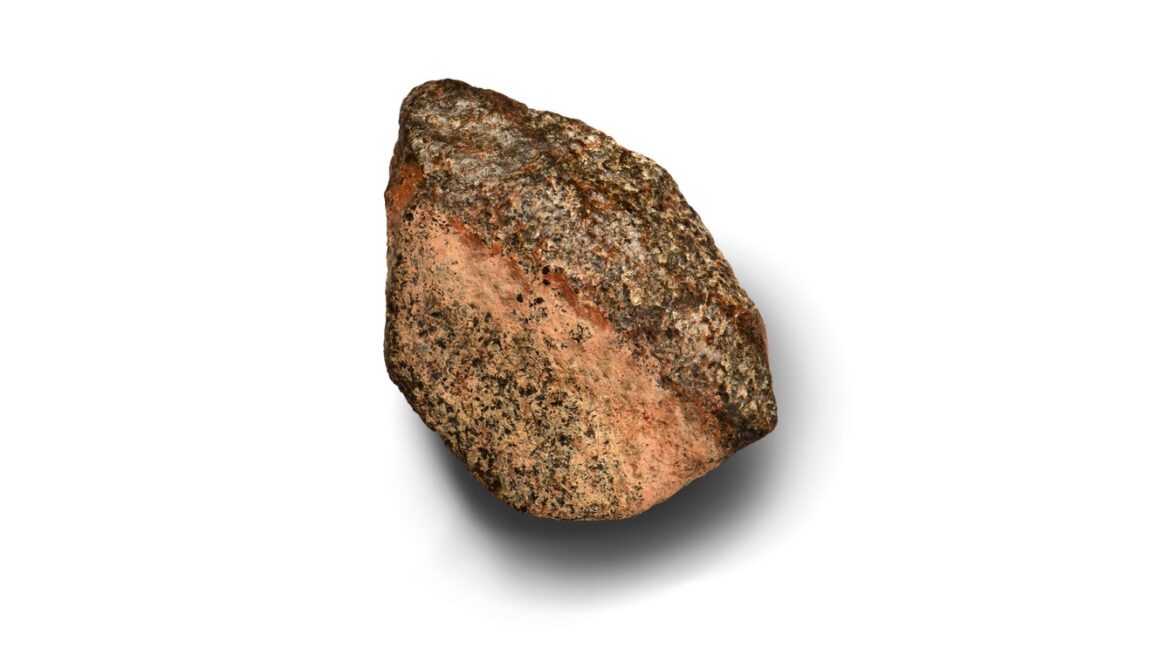
, a recently identified meteorite acquired through the desert meteorite trade, is captivating planetary scientists worldwide. Found in the Sahara, this collection of eight stones weighing nearly 800 grams was purchased by a private collector who later submitted a sample to the University of New Mexico for classification. Planetary scientists Carl Agee and Karen Ziegler analyzed its oxygen isotopes, revealing characteristics similar to those found in other Martian meteorites, a key detail in understanding the rock’s origins. Initially categorized as a shergottite—the most prevalent type of Martian meteorite—Agee observed some unusual features that prompted him to enlist the expertise of Liu. Notably, one mineral within Teghaza had undergone internal alteration while maintaining its pristine outer layer, a phenomenon not commonly observed in terrestrial weathering. Furthermore, the oxygen isotopes exhibited peculiarities, alongside some manganese-rich material reminiscent of Liu’s prior studies related to the meteorite known as Black Beauty. “When I first examined the sample, I thought it was quite ordinary,” Liu remarked. “However, I soon realized this specimen is distinct and remarkable.” Teghaza 001 predominantly comprises feldspar, a light mineral frequently found in the crusts of rocky planets, interspersed with darker pyroxene crystals. Liu noted that these crystals bear resemblance to rocks located in the lunar highlands and are relatively large, measuring up to a millimeter in diameter. This size suggests a slow cooling process, allowing the crystals ample time to grow. The research team estimated that Teghaza 001 cooled at a rate of approximately 0.01° Celsius per year. This gradual cooling hints at a formation process stemming from magma that solidified within the crust rather than erupting to the surface.
Editor’s Take
The discovery of Teghaza 001 offers invaluable insights into the geological history of Mars. Understanding its unique formation can enhance our knowledge of crustal development on rocky planets. This could have implications for future explorations and studies within the AI and technology sectors, emphasizing the importance of planetary sciences in fostering innovations.
Source: arstechnica.com