
Nintendo’s Switch 2 Takes a Nostalgic Leap with Ocarina of Time Remake
Nintendo is set to reignite a cherished gaming experience with a remake of the classic title, Ocarina of Time, for the upcoming Switch 2. This reimagining not only aims to delight longtime fans but also introduces a fresh audience to the iconic adventure of Link, now enhanced with modern features.
The 1998 original game, celebrated for its groundbreaking approach to storytelling and design, introduces players to a sprawling kingdom threatened by an ancient evil. In the new version, set to release on November 5, 2026, Link enjoys a variety of upgrades, including manual jumping, motion-controlled aiming, and improved inventory management. Notably, he can now sprint, a welcome enhancement that eliminates the frustratingly slow movement once necessary to traverse Hyrule’s vast landscapes.
Yet, amidst the excitement for players, this modernization presents challenges for certain in-game characters, notably the shooting gallery proprietor in Castle Town. Previously, he made a living by capitalizing on players’ less-than-savvy skills. With more precise controls in the new game, his once-reliable income model may face inevitable decline, mirroring the struggles seen on real-world high streets.
Balancing Nostalgia and Innovation
The central question for any remake, particularly one as storied as Ocarina of Time, revolves around how closely it aligns with its predecessor. Nintendo aims to strike a balance, crafting an experience that pays tribute to its roots while making enhancements that appeal to contemporary gamers. For newcomers, this remake offers the chance to engage with the essence of the original without the limitations of outdated graphics.
While the awe of exploring Hyrule Field may diminish compared to the original game, the refreshed visuals—featuring dynamic lighting and detailed environmental elements—introduce a new layer of immersion. However, for die-hard fans, the nostalgia of traditional dungeons and puzzles remains a significant draw, allowing for a familiar yet refreshed gameplay experience.
Soundtrack and Visual Design Enhancements
Another significant highlight is the newly orchestrated soundtrack, enhancing melodies that once struggled through the compressed audio of the original game. These compositions resonate more vibrantly, adding emotional depth to the gameplay.
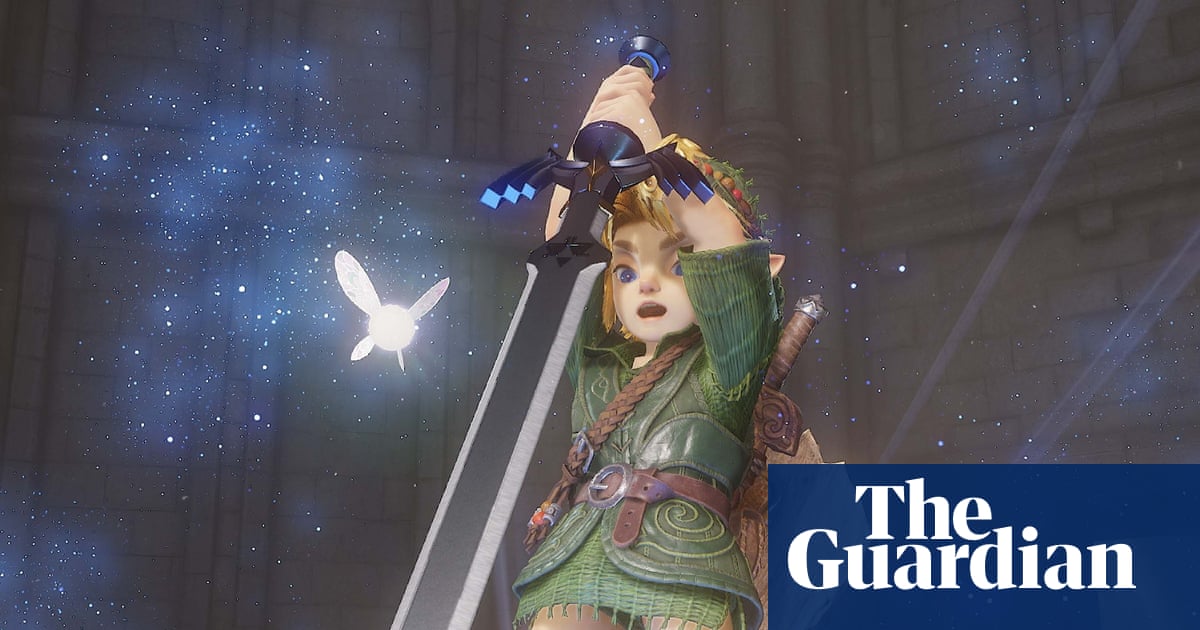
Link’s redesign has sparked some debate, with critics suggesting that the character’s new look, featuring larger eyes and a polished appearance, may cater to a modern aesthetic at the cost of the original artistic vision. While the updated graphics aim to captivate contemporary audiences, some worry that they prioritize technological capability over the artistic integrity of the beloved franchise.
Artistic Influence and Cultural Reflections
The character’s aesthetic has raised questions about possible influences from traditional Japanese puppetry—a theme that Shigeru Miyamoto, the series’ creator, may have drawn from throughout his career. Experts suggest that this design choice could evoke a sense of childlike wonder, aligning with the game’s timeless themes of growth and adventure.
This approach intertwines nostalgia with modern design, an intentional reflection of how both the game and its audience have evolved. As Link embarks on his immortal quest, so too do the mechanics of gameplay adapt to the shifting landscape of video gaming.
Conclusion
The forthcoming remake of Ocarina of Time not only honors its rich legacy but also signals Nintendo’s commitment to innovation. As it navigates the delicate interplay between nostalgia and new features, the game has the potential to charm both veterans and newcomers alike. However, the fate of in-game characters—such as the beleaguered shooting gallery owner—serves as a poignant reminder of how change can reshape familiar landscapes.
Editor’s Take
This remake of Ocarina of Time highlights the ongoing balancing act between preserving classic gaming experiences and modernizing them for contemporary audiences. As Nintendo seeks to revitalize nostalgia, this decision could significantly impact user engagement, inviting a new generation of players to experience a beloved staple while challenging traditional gaming business models.
Source: www.theguardian.com