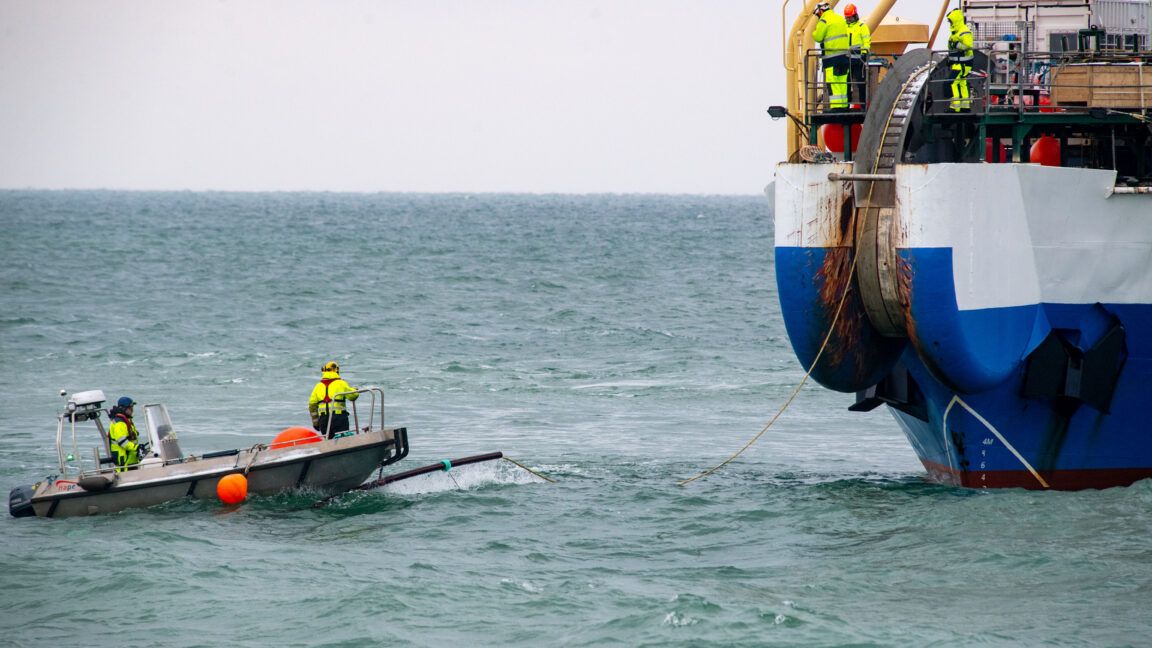

The captain of the Hong Tai, a vessel owned by Chinese interests, has been convicted in Taiwan for cutting undersea telecommunications cables earlier this year. Sentenced to three years in prison in June 2025, this incident triggered legislative changes in Taiwan aimed at enhancing penalties for similar acts of vandalism. The revised laws now impose a maximum penalty of up to seven years for anyone intentionally damaging undersea cables or pipelines.
This year has witnessed several significant threats to undersea infrastructure. Of particular note were attempts by Iran to levy fees on operators of undersea cables in the disputed Strait of Hormuz. Meanwhile, a cooperative effort by the UK, Norway, and the United States has countered activities involving Russian submarines practicing the use of new technology to disable cables in Arctic waters near the Svalbard archipelago.
The ongoing risks posed to the Internet’s undersea networks, as well as critical energy frameworks, raise questions about the future of international agreements designed to safeguard these essential infrastructures. To delve deeper into these issues, Ars Technica spoke with Elisabeth Braw, author of the book Undersea War. The conversation highlighted the fragility of the current deterrence system based on mutual respect among nations concerning undersea facilities.
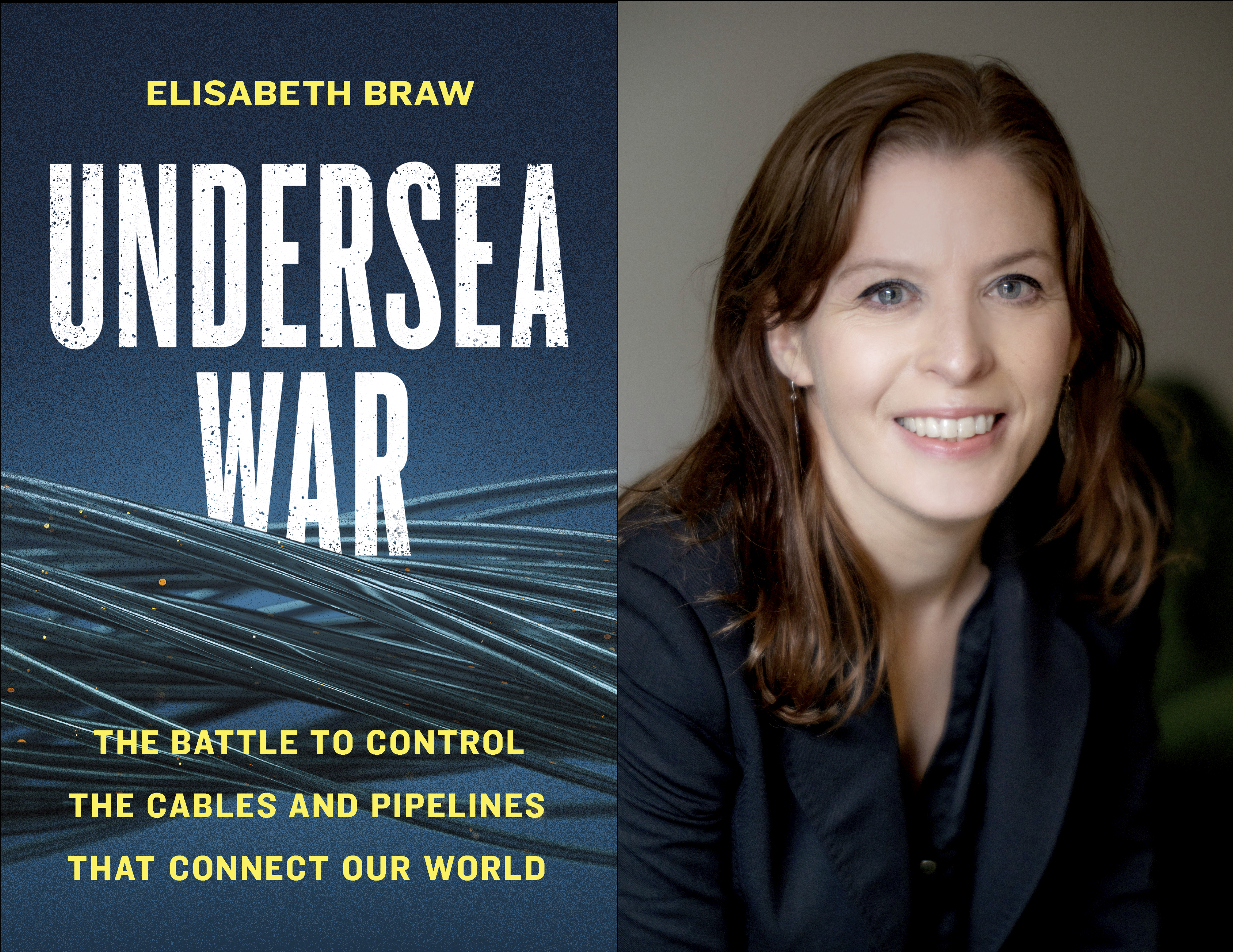
Elisabeth Braw is the author of the book Undersea War.
Credit: Hachette Book Group (cover art) / Annabel Moeller (author photo)
Elisabeth Braw is the author of the book Undersea War.
Credit: Hachette Book Group (cover art) / Annabel Moeller (author photo)
Ars Technica: Given the current atmosphere of distrust surrounding undersea infrastructure, it appears that for several decades— even during the Cold War—there was a functional international framework where nations largely refrained from damaging these critical resources.
Braw: Precisely. That system was effective for a long time, making it alarming to witness its possible deterioration. This framework, which relies on nations behaving responsibly, may soon face unprecedented challenges.
Ars Technica: While multiple factors contribute to this breakdown, what do you see as the primary drivers?
Braw: The critical importance of subsea cables and pipelines cannot be overstated. A disruption lasting even a minute can cause significant chaos, particularly affecting financial hubs such as New York City. The operational losses could be monumental, alongside the impact on the massive flow of money handled by these cables every second. Therefore, given their strategic importance in today’s digital economies, these infrastructures are now prime targets. Unlike during the Cold War, when telephone cables were fewer and less integral to everyday life, today’s undersea cables are essential for constant connectivity and financial transactions.
Editor’s Take
The potential erosion of international norms surrounding undersea infrastructure poses significant risks not just for global communication but also for financial stability. Disruption to these networks could have widespread ramifications for businesses and societies relying on uninterrupted connectivity. Stakeholders must advocate for renewed international agreements to safeguard these crucial assets and mitigate threats.
Source: arstechnica.com