

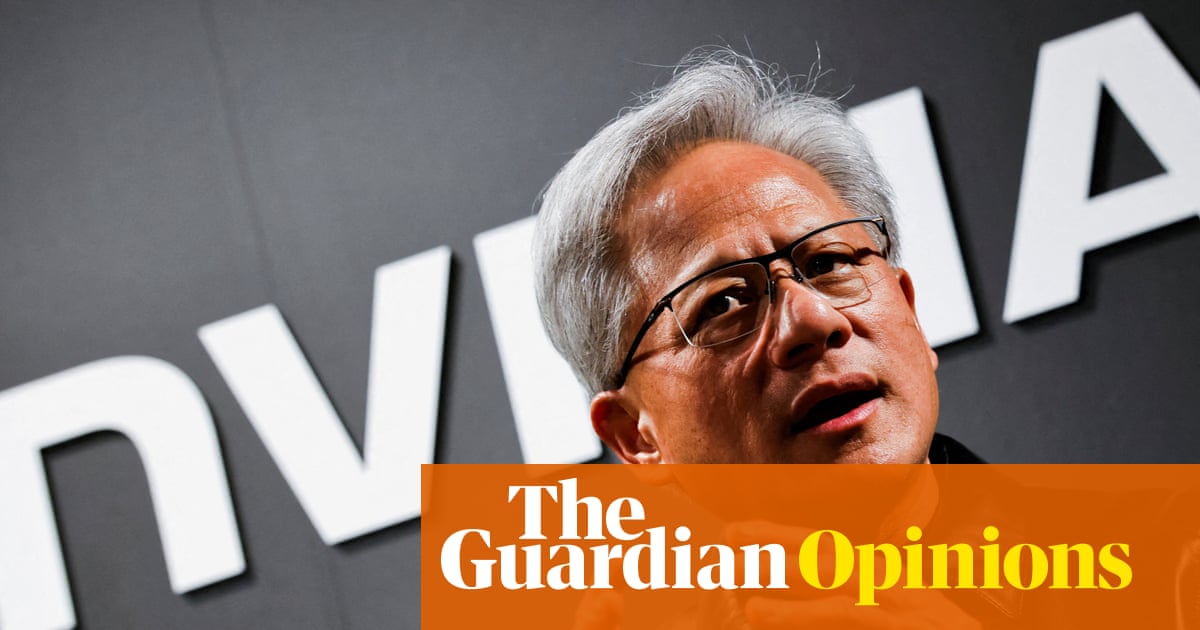

Jensen Huang, co-founder and long-serving CEO of Nvidia, has resigned amidst revelations of personal misconduct that have sparked considerable debate in the tech industry. Initially hailed as “irreplaceable” by many in the corporate sector, Huang’s recent admission of infidelity took a dramatic turn as scrutiny over his actions intensified, revealing potential liabilities that transcended personal boundaries.
Huang’s extramarital affair, while not typically a cause for resignation in the corporate world, took on added significance due to his involvement with a senior executive at a Singapore-based firm. This company is under suspicion for misconduct regarding the illegal export of Nvidia chips to China. The intertwining of personal and business conduct raised alarms about corporate governance and the implications for national security.
Huang’s situation further complicated with reports of an additional affair with a senior staff member within Nvidia. Such relationships often disturb organizational harmony and provoke concerns among stakeholders. The Nvidia board likely recognized that allowing more disclosures to emerge could exacerbate the crisis. Standard practice in corporate scandals is to preemptively manage bad news to control the narrative.
Although initial stock market reactions saw shares plummet by 13%, this kneejerk response gradually moderated to a 5% decline as investors recalibrated their expectations about Nvidia’s market position and future. Analysts contended that despite Huang’s departure, the company is well-positioned due to its leading status in graphics processing units, which remain in high demand across various sectors.
The fallout from Huang’s resignation goes beyond personal missteps; congressional investigations are poised to scrutinize Nvidia’s sales of advanced AI technology to China. This growing concern about the U.S.’s competitive edge in artificial intelligence underscores the delicate balance tech firms must maintain between business expansion and regulatory compliance. Huang’s lobbying power over export policies has also incurred significant damage, further diminishing his credibility.
In the wake of these challenges, Colette Kress, Nvidia’s Chief Financial Officer, has stepped in as interim CEO, indicating a shift toward a more stable and responsible leadership approach. The company will also appoint Harvey Jones, a former executive at Synopsys, as independent chair to bolster governance standards. It signals a necessary shift away from the over-dependence on a singular leader, establishing more robust checks and balances to navigate the corporate landscape effectively.
While Huang’s exit marks a significant change for Nvidia, it is essential for the company to adapt to the evolving market and political realities. His resignation reflects the growing need for corporate accountability and governance in an industry marked by rapid advancement and increasing scrutiny.
Editor’s Take
This development highlights the intersection of personal ethics and corporate governance in the tech industry. As Nvidia navigates through this turbulent change, it will be crucial for stakeholders to focus on how this transition can influence company management and its strategic direction in AI. Investors and users alike should remain vigilant, as these changes may affect innovation and market dynamics in the highly competitive AI landscape.
Source: www.theguardian.com