Neighbours Recut into Margot Robbie Microdrama, Sparking Discontent Among Co-Stars

The iconic Australian soap opera Neighbours is undergoing a transformation as original episodes are being reworked using artificial intelligence into a format designed specifically for mobile viewing. This initiative has raised significant concerns among the show’s former cast members and industry professionals about the implications of utilizing television archives to create new content.
RoseBerry Media, which focuses on creating “vertical television” tailored for smartphones, is at the forefront of this project. The company is leveraging an AI-driven tool called RedSnapper to repurpose classic episodes of Neighbours for its Epis platform.
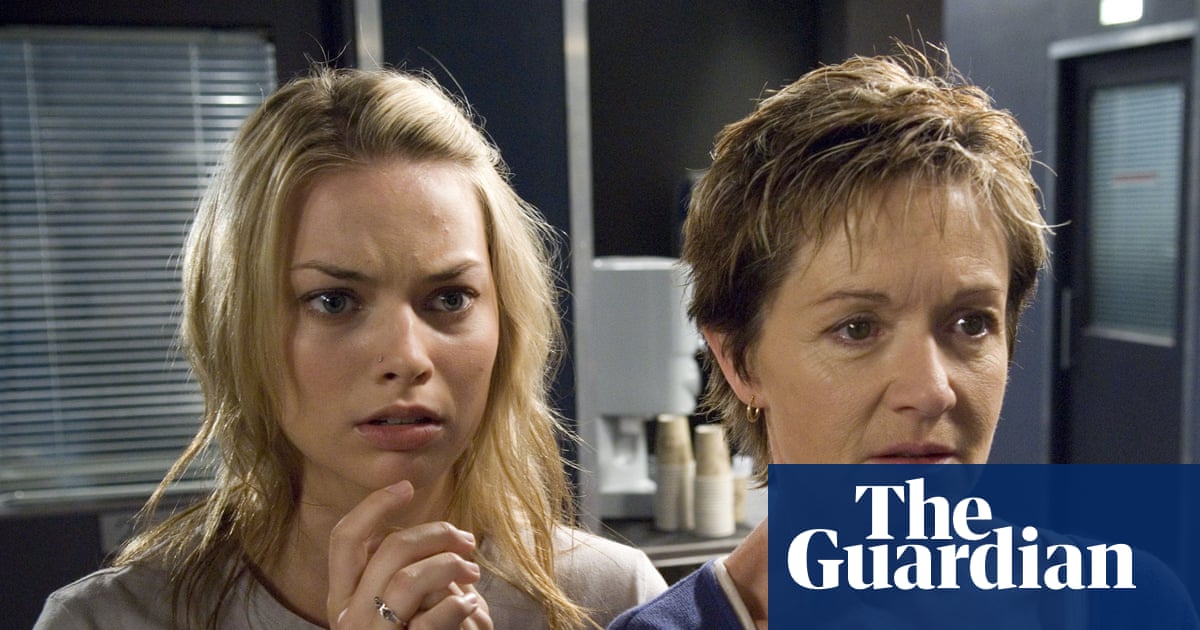
The initial microdrama will center on the character Donna Freedman, portrayed by Margot Robbie from 2008 to 2011. The plan is to recut two key story arcs into a series of vertical episodes totaling approximately 150 minutes of content.
However, the project has not been without its critics. Stefan Dennis, who has been part of Neighbours for years, expressed his concerns to the *Herald Sun*, labeling the endeavor as “unbelievably invasive” and both “morally and legally wrong.” He indicated that the cast members feel powerless against the larger corporate machinery involved in the decision-making process.
Dennis also noted that he and his fellow actors are seeking guidance from their representatives and various unions, but their ability to challenge the project remains uncertain.
Another former cast member, Matthew Werkmeister, who portrayed Zeke Kinski, shared his alarm at the development, emphasizing that he was unaware of the new deal until approached for comment. He expressed discomfort over the use of his image through AI without explicit consent.
Werkmeister stated that he has yet to receive any clarification from the producers at Fremantle or RoseBerry Media regarding potential residuals for actors from this revived series. He remarked on the challenge of establishing agreements made in contracts signed years ago when AI was not a factor in the entertainment landscape.
Critics like Werkmeister argue that the initiative appears to be a “money grab” by Fremantle, aiming to capitalize on their existing library for quick financial gain, particularly leveraging Robbie’s star power as a primary motivator.
As the microdrama landscape sees increasing popularity, particularly with vertical serials catering to mobile users, the value of this sector is projected to reach up to $15 billion globally, according to last year’s estimates. Content creators are adapting classic formats for a new generation, with companies experimenting with innovative storytelling techniques.
This wave of microdramas is part of a larger trend where existing footage is being reshaped—some for profit and others for fan-generated enjoyment on social platforms. For instance, in 2023, Paramount Pictures repackaged *Mean Girls* on TikTok into a series of bite-sized episodes. With over 9,300 episodes aired since its inception in 1985, Neighbours is rich in content available for such repurposing.
Executives at Fremantle have defended this AI initiative, stating that it will exclusively utilize previously aired footage and performances, ensuring that RedSnapper does not create new scenes or manipulate actors’ likenesses. They emphasize human oversight in the editing process, maintaining that quality control is prioritized.
In response to the project’s rollout, the Media, Entertainment and Arts Alliance (MEAA), Australia’s largest union for entertainers, confirmed its support for affected cast members. The union’s acting CEO, Adam Portelli, has urged the Australian government to establish protective legislation to ensure fair compensation and consent in AI-related work.
As the industry grapples with the implications of AI technologies, he warns that using AI to transform existing creative works without proper consultation risks setting a troubling precedent that reaches far beyond Ramsay Street.
Editor’s Take
This innovative use of AI to recreate established narratives presents both opportunities and challenges. While it can breathe new life into classic series, the concerns raised by actors about consent and compensation underline the need for rigorous regulations in the rapidly evolving entertainment landscape. As technology continues to transform how stories are told, ensuring fair treatment for creatives must remain a top priority.
Source: www.theguardian.com