
Intel Secures Waiver Amid US Robot Import Ban Uncertainty
In an unexpected turn of events, Intel, a leading American semiconductor manufacturer, has navigated a complex issue surrounding the federal restrictions on foreign-made robotic technology. The company received a temporary waiver from the Federal Communications Commission (FCC) to continue operating certain foreign-manufactured robotic vehicles within its U.S. fabrication facilities.
The FCC’s decision, made public on October 22, came amid the agency’s broader efforts to regulate the import of specific foreign robotic technologies deemed sensitive. Intel’s waiver allows the use of these robotic vehicles for a one-year period while providing assurance regarding operational compliance.
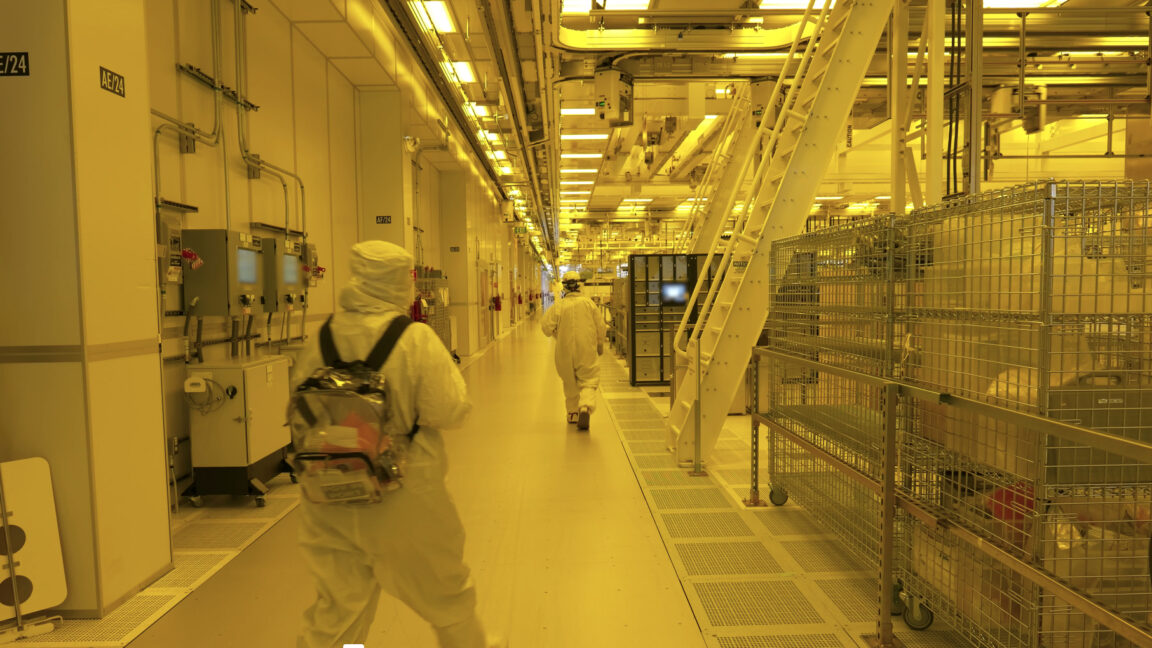
The automated vehicles in question are classified as automated guided vehicles, designed to navigate set pathways and typically requiring human supervision. According to Intel, these robots facilitate the movement of materials on factory floors and in warehouses, which is crucial for maintaining production efficiency.
Manufactured predominantly by Japanese firms such as Murata Machinery and Daifuku Co., the precise types of robots used by Intel were not disclosed publicly, but details were included in a confidential document accompanying the waiver request.
The FCC’s regulations primarily target newer models of robotic technologies, including humanoid robots and various household automation devices. While older models may still be imported, significant alterations to previously authorized devices may be restricted under these rules.
In its request for a waiver, Intel acknowledged the ambiguity regarding whether its robotic systems fell under the FCC’s restrictions. As a precaution, the company sought permission to ensure the uninterrupted operation of its manufacturing systems. Alongside the waiver, Intel also gained approval to implement specific hardware and software modifications to optimize performance and maintenance.
Editor’s Take
This development underscores the importance of regulatory clarity for technology companies engaged in rapidly evolving industries. For users, the waiver ensures that Intel can maintain production continuity, which is vital for the semiconductor supply chain. For businesses and developers, the situation highlights the need to adapt to changing regulations that could impact technological deployment and innovation.
Source: arstechnica.com