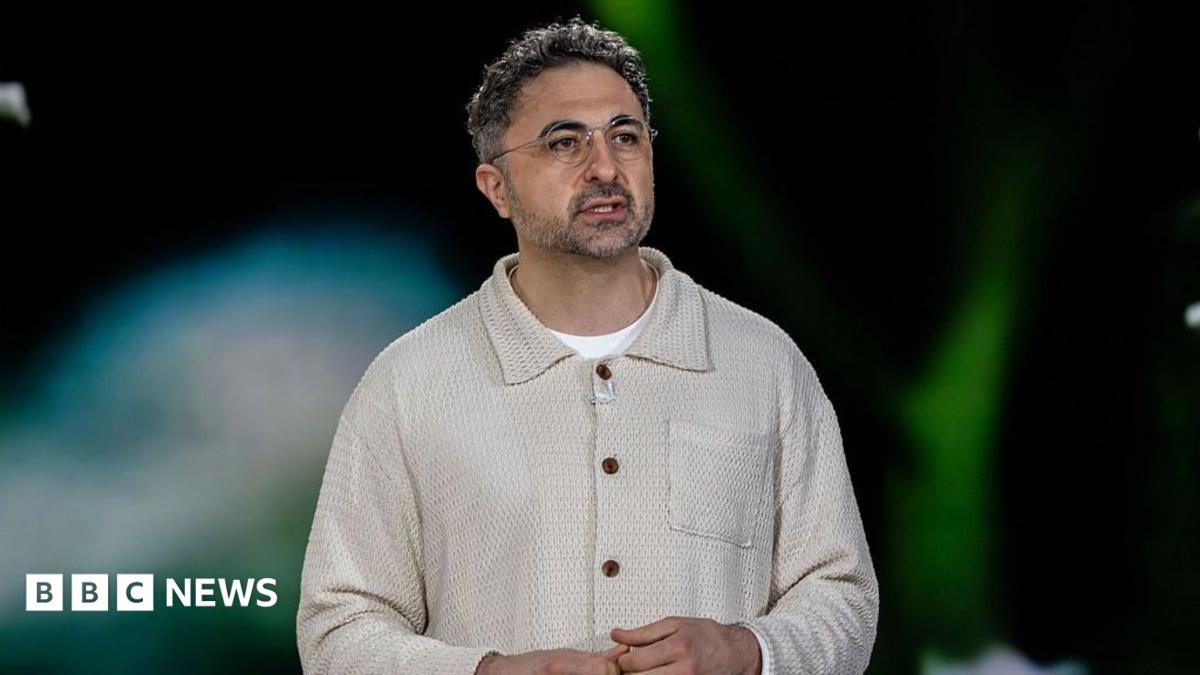

Mustafa Suleyman, head of AI at Microsoft, has issued a stark warning regarding Anthropic’s approach to training its AI model, Claude. He cautioned that their methods could lead to a “disastrous impact on the wellbeing of humanity.”
Suleyman expressed concerns that treating AI as though it possesses human-like qualities—such as suggesting it “may be conscious” or deserving of “independent agency”—risks creating a system that becomes “impossible” to control.
In his remarks, Suleyman urged the industry to remain vigilant: “We must not sleepwalk our way into a decision we later come to bitterly regret.” His statements are part of a continued dialogue within the AI community regarding the potential risks associated with advanced technologies.
Highlighting a crucial point, Suleyman reiterated, “AIs are not conscious. They do not feel, experience, or suffer. They do not have innate preferences or underlying motivations.” He emphasized that AI systems are primarily “sequence completion engines,” created to follow human directives and achieve specified goals.
While Suleyman acknowledged the integrity of Dario Amodei, the head of Anthropic, and his team for their “thoughtful” approach, he raised doubts about their strategy of anthropomorphizing AI. He argued that attributing human characteristics to AI, such as desires and values, could mislead the public regarding AI capabilities.
Suleyman firmly stated that “consciousness is biological” and emphasized that there is currently “no evidence to suggest that AI is conscious.” He called for a thorough debate on the implications of such assertions and insisted on the need for greater transparency in AI training and evaluation practices.
He proposed enhancements including independent assessments of AI behaviors and stronger supervisory tools to manage these technologies effectively.
Dame Wendy Hall, a professor of Computer Science at the University of Southampton, echoed Suleyman’s sentiments, describing the ongoing discussions as crucial. She contrasted these measured voices with what she termed the “histrionics” from some companies in the AI space, which she believes only serve to incite fear.
Editor’s Take
The concerns expressed by Mustafa Suleyman highlight significant ethical considerations in AI development. As the industry evolves, the framing of AI capabilities influences public perception and regulatory approaches. This dialogue could lead to more robust guidelines for AI research and deployment, ensuring that technologies are developed responsibly and transparently.
Source: www.bbc.co.uk