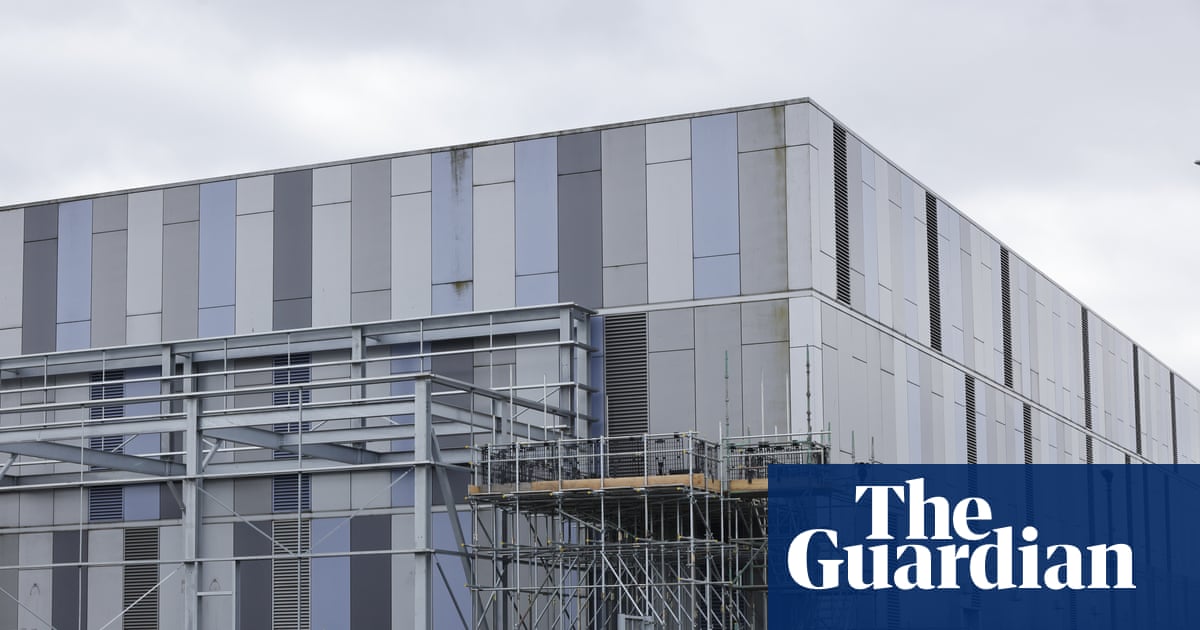
Lanarkshire AI Datacentre to Depend on National Grid Amid Renewable Energy Claims

A data center firm aiming to power a significant AI initiative near Glasgow with renewable energy has reversed its initial commitment. DataVita has now confirmed that the project will rely entirely on the National Grid for its energy supply.
Initially, DataVita had pledged that the ambitious Lanarkshire project would source a remarkable 1GW of energy—comparable to the output of a small nuclear reactor or the UK’s largest wind farm—from renewable resources. However, following inquiries from the Guardian, the company noted that this promise was contingent upon completion of various agreements, including all necessary planning and regulatory approvals.
Having previously claimed that their plans would significantly bolster the local economy in the village of Chapelhall, just outside Airdrie, the company has since adjusted its strategy. The revised statement indicates that the data centers will be “fully grid served,” although there remains a possibility of incorporating solar and wind generation in the future.
While DataVita assures that its grid-supplied energy will mainly consist of renewable sources, the firm is currently receiving £202 million in public support through assurances from Britain’s national wealth fund.
This pivot from an all-renewable promise may raise concerns about the future of both DataVita and the overarching UK AI strategy. Under the previous administration, the goal was to establish vast data centers across the country, creating incentives such as energy discounts and expedited planning permissions for developers. DataVita’s operation was a cornerstone of this initiative, expected to generate approximately 3,400 jobs by constructing a 500MW data center in Lanarkshire.
However, questions surrounding the feasibility of these ambitious plans surfaced just over a year after their announcement, when inquiries revealed a lack of concrete commitments behind many declared projects. Notably, AI data centers are among the most energy-intensive structures conceived, and the costs of energy in the UK are higher than in much of Europe, leading to lengthy wait times for development connections to the grid.
The performance of other major AI investments in the UK has also come into scrutiny following concerns about their energy supply capabilities. DataVita now appears to be tempering its initial energy goals as well, raising uncertainties about the future of its project.
In response to the Guardian’s inquiries, DataVita stated it had not misrepresented its intentions around renewable supply. A spokesperson emphasized, “Our commitment to renewable energy is unchanged,” while clarifying that the data centers are designed to rely on grid power supplied via a renewable power purchase agreement. This clarification contrasts sharply with earlier statements suggesting that over 1GW of renewable energy would be directly linked to the centers.
Additionally, DataVita has not ruled out future connections to renewable energy sources through a proposed wind and solar park in North Lanarkshire.
Commenting on the company’s shift in direction, Kat Jones, director of the charity Action to Protect Rural Scotland, described this development as reflective of an ongoing trend within the industry, asserting, “Hyperscale AI data centers simply cannot run on renewable power alone; they absolutely need a highly reliable source of grid power.”
Editor’s Take
This development highlights crucial challenges within the AI sector concerning sustainable energy resources. As firms like DataVita struggle with realities of energy supply and costs, it raises important questions for stakeholders in the AI ecosystem. Ensuring reliable and affordable energy will be vital for maintaining the momentum of these ambitious tech projects, which are expected to drive job creation and economic growth.
Source: www.theguardian.com