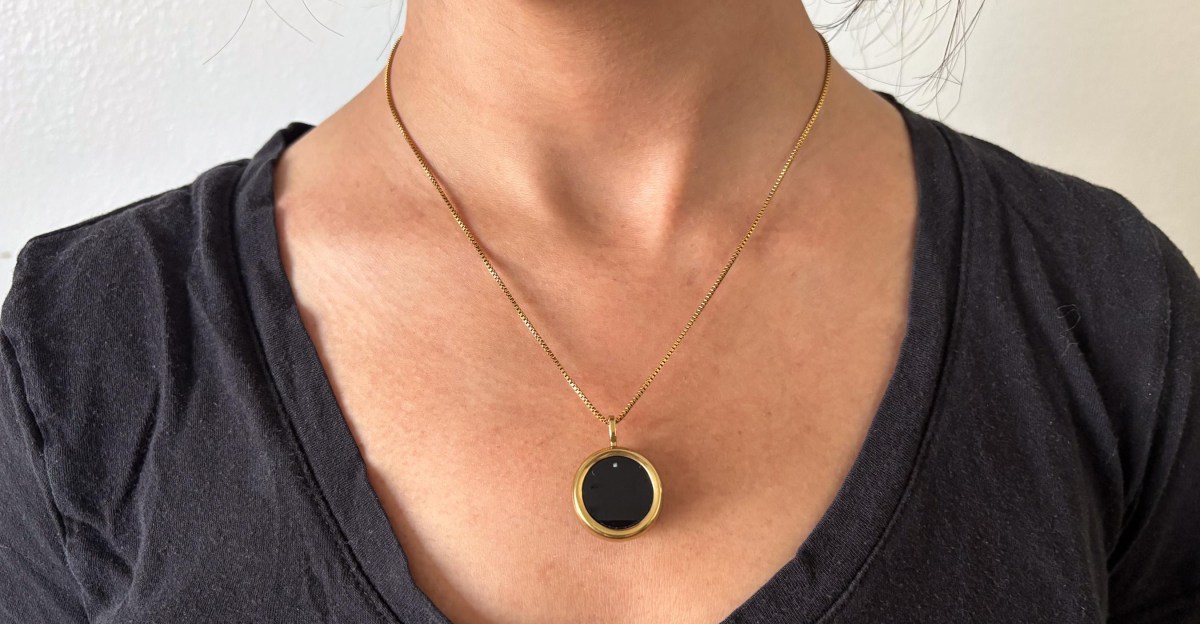

Understanding UV Exposure with the Gem Necklace
During a sweltering August gathering in Los Angeles, I sought shelter from the heat under a patio umbrella, aided by a fan. However, despite these precautions, I soon began experiencing symptoms typical of heat exhaustion: fatigue, dizziness, and nausea. It was a reminder that heavy sunlight can still seep through barriers.
At that moment, a notification from my Gem necklace, a UV-tracking device priced at $249, caught my attention. The alert informed me that my levels of ultraviolet exposure had surged significantly. I learned that UV radiation can reflect off various surfaces, making it nearly impossible to be completely shielded, even in shaded areas. While I had mistaken the umbrella’s shade for adequate protection, the Gem revealed the gap in my understanding.
A follow-up discovery related to my medication increasing heat sensitivity shed light on similar experiences from past summers. Although the Gem can’t diagnose, this prompted a deeper look into my health. Since then, I’ve taken to limiting my time outdoors during peak heat and UV hours, ensuring proper hydration, and being more aware of how I feel in the sun.
Initially, my interest in UV tracking stemmed from a desire to counter beauty standards and the visible signs of aging, especially as I started graying in my 20s. Living close to the beach in perpetually sunny Los Angeles, I had underestimated my actual UV exposure, viewing my skin’s higher melanin content as a natural shield. The Gem has provided me with crucial insights regarding my UV exposure, providing estimates that vary in usefulness.
The necklace boasts a dual-function sensor that measures both UVA and UVB radiation separately—important distinctions given that UVB primarily causes sunburn, while UVA contributes more to skin aging. Despite its functionality, the sleek design and necklace make it a piece of jewelry I’d enjoy wearing regardless of its practical benefits. With an advertised battery life of one week, the Gem charges via an accompanying docking system. There’s even a planned release of additional accessories, like a hat clip and bag tag, for those who prefer alternatives to wearing it as jewelry.
The companion mobile app plays a significant role in the experience, featuring user-friendly graphs and straightforward explanations. Users can personalize their experience by creating a skin profile that helps manage metrics based on their specific conditions, including skin type and sensitivities. This allows the app to provide a broader array of insights regarding UV exposure, although these are still estimates rather than direct measurements of bodily reactions to sunlight.
Among its features are estimates of vitamin D synthesis, potential circadian light effects, and cumulative UVA exposure, which contribute to an assessment of skin aging risks. The app also provides personalized sunburn indicators, sunscreen reminders, and a daily Sun Score metric that aims to balance sunlight benefits with the risks of overexposure. Interestingly, this score encourages users to aim for a target of 90, indicating a nuanced view of sun exposure: too little may hinder benefits, while too much may cause damage.
The app’s UV readings responded promptly as I moved between sunlit areas and shaded spots, though I noticed occasional lapses in activity recognition. It became apparent that the app must remain active in the background to log measurements, which can disrupt tracking if closed.
Reflecting on my outdoor party experience, I recognized the flawed assumptions I held regarding sun protection. I realized I was often either underexposed or overexposed to UV light, even believing I was shielded by shade. This revelation has made me more attentive to my UV exposure, prompting me to consider days when I might actually require sunlight.
While the vitamin D countdown feature didn’t meet my expectations—often fluctuating dramatically—I learned to focus on the overall context rather than specific numbers, listening to how my body was responding instead.
Despite the Gem’s price tag of $249, which may seem steep, especially for those who spend less time outdoors, its appeal lies in its ability to foster greater awareness around sun exposure. Although I personally find its value limited due to my lifestyle, it offers essential insights for anyone looking to be more conscious about their time in the sun.
Editor’s Take
This development in wearable technology not only emphasizes sun safety but also promotes a broader understanding of personal health. As consumers become increasingly health-conscious, devices like the Gem could play a pivotal role in fostering awareness around sun exposure, especially among individuals who spend significant time outdoors.
Source: www.theverge.com