


A woman in the Philippines experienced an alarming episode when her right arm and leg began to shake uncontrollably, despite having no prior symptoms such as headache or confusion. The unsettling episode lasted about a minute before she sought help at a local emergency department.
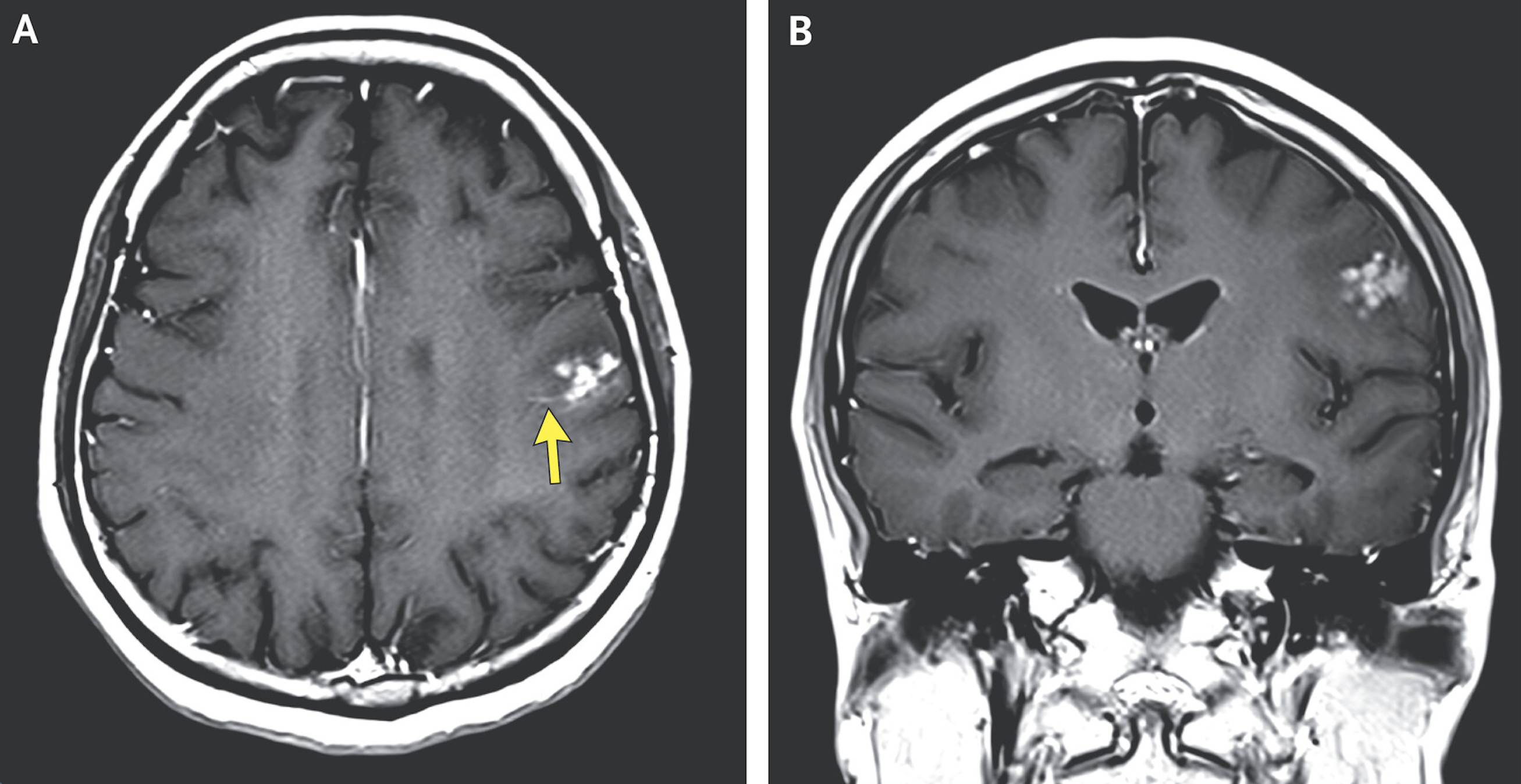
Upon visiting the hospital, doctors conducted a thorough physical examination but found nothing abnormal. However, further investigation through magnetic resonance imaging (MRI) revealed unexpected results—a bright cluster of nodules surrounded by fluid in her left frontal lobe. This led the medical team to suspect the presence of worm eggs.
Credit:
NEJM, 2026
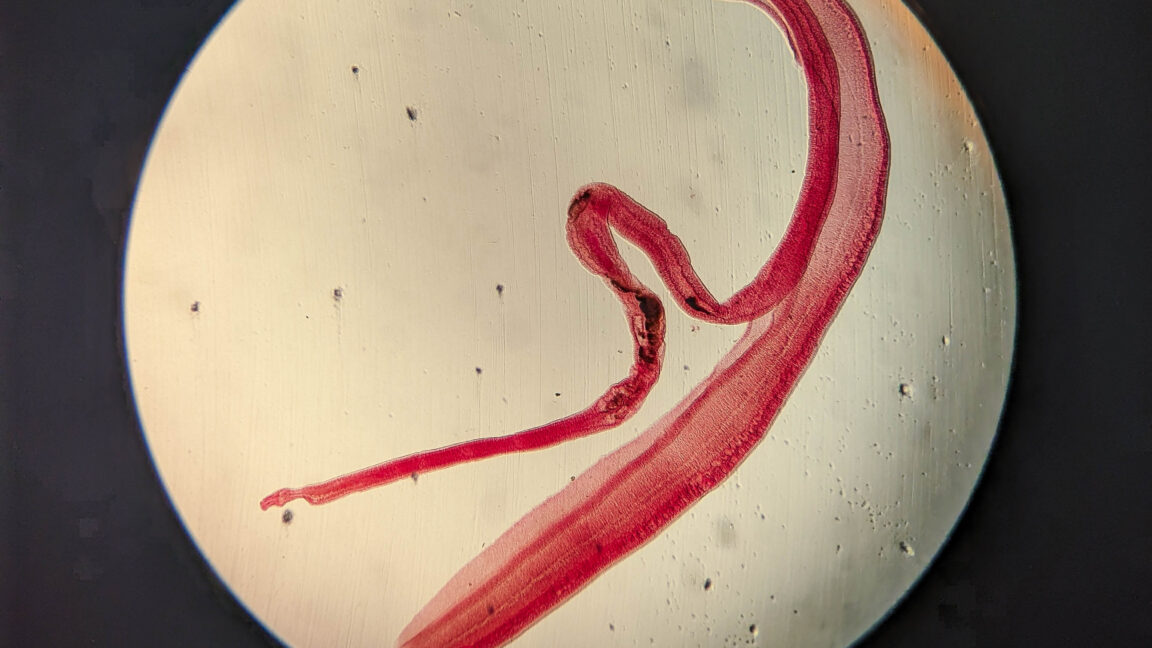
Details from a recent case report in the New England Journal of Medicine indicate that the doctors suspected the woman was suffering from neuroschistosomiasis, a rare complication resulting from the infection by the Schistosoma parasite, also known as a blood fluke. In this case, the specific type was identified as S. japonicum, which is prevalent in the Philippines, parts of China, and Indonesia, though it has been eradicated in Japan.
A Complicated Life Cycle
The life cycle of S. japonicum is notably complex. It begins when eggs are released into the environment through the waste of infected animals, including humans. Conditions conducive to survival allow the eggs to hatch into a free-swimming larval form, which then seeks out aquatic snails as hosts. The larvae undergo two developmental stages before emerging from the snail, growing a forked tail and swimming off to find a vertebrate host.
Once inside a suitable host, the larvae penetrate the skin and navigate through the body’s vascular system, passing through various organs, including the lungs and heart, before settling in the liver, where they mature into adult worms. In pairs, the male and female worms inhabit blood vessels in the abdomen and begin reproducing, releasing more eggs into feces and urine, thus continuing the cycle.
Editor’s Take
This case underscores the importance of understanding parasitic infections, particularly in regions where they are endemic. The implications for public health are significant, highlighting a need for improved awareness and preventive measures. For those in affected areas, education on the life cycle of such parasites is critical to reducing the risk of infection.
Source: arstechnica.com