

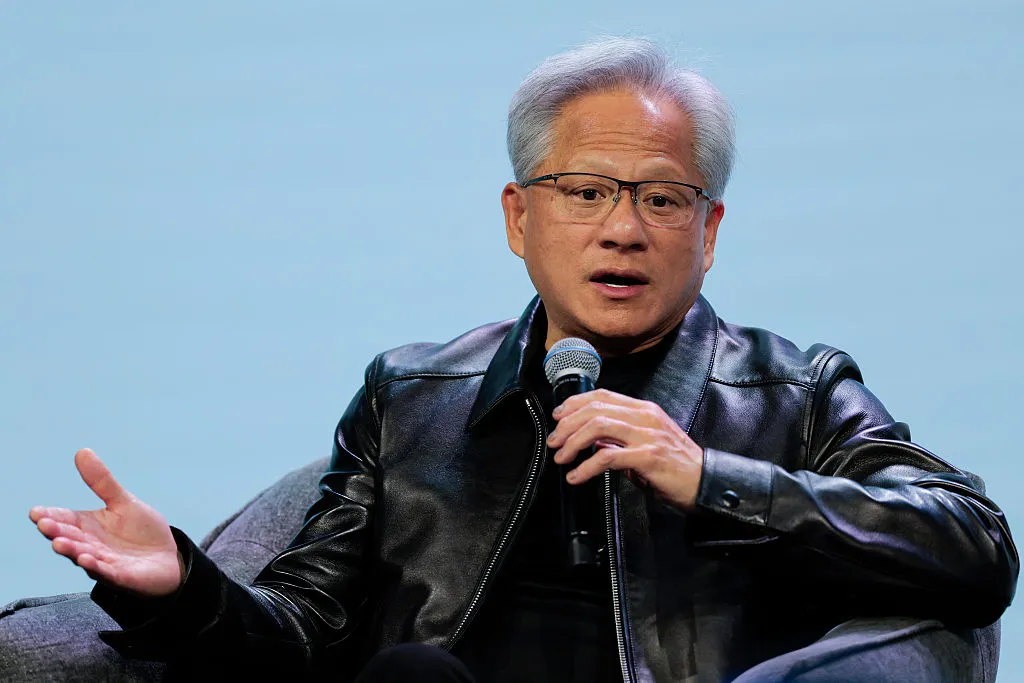

Jensen Huang, the CEO of Nvidia and a co-founder of the company, has officially resigned after 33 years at the helm, leaving the tech world in shock. “It’s like a bomb went off,” remarked one founder in the neocloud sector upon hearing the announcement.
Over the past several years, Nvidia has emerged as a dominant investor in the startup ecosystem, injecting tens of billions into various ventures. This year alone, it participated in 105 funding rounds, often as the lead investor, according to data from PitchBook. “If that direction changes, it’ll be a big blow to so many young companies,” noted Maria Davidson, founder of Relational Capital.
The departure of Huang, regarded as a pivotal figure in promoting early-stage companies, has left investors anxious about the future of startup funding. Many believe the overall landscape could see significant shifts in deal-making, valuations, and competition in the absence of Huang’s leadership.
According to Shamillah Bankiya from Dawn Capital, “Nvidia is carrying almost every AI-native startup from application to neocloud.” The vast majority of investment decisions were typically made by Huang himself. Notably, Umesh Padval, managing partner at Seligman Ventures, has deep ties to Huang dating back to their collaboration on the board of Mellanox Technologies, acquired by Nvidia for around $7 billion.
With Colette Kress stepping in as interim CEO, significant changes in Nvidia’s investment strategy are anticipated. Her more conservative stance compared to Huang could drastically affect the pace and nature of Nvidia’s funding in AI start-ups, crucial to the billion-dollar data center industry.
Investors are not optimistic that Kress will replicate Huang’s aggressive deal-making approach in the short term. One investor remarked, “I don’t think she’s going to commit the same amount of money to keep the early-stage ecosystem going.” Under Huang, Nvidia supported various costly endeavors, such as backing neocloud infrastructures and developing expensive models that many smaller companies found challenging to undertake.
Nvidia’s involvement in numerous deals was often key to new ventures’ successes. For instance, the company was an early backer of CoreWeave and invested substantially in Crusoe, among others. Recently, Nvidia acquired Hugging Face for $13 billion, with the deal expected to close in 2027, and holds stakes in firms like Mistral AI and Lambda.
The change in leadership could widen the investment gap, particularly for startups in regions like Europe that have benefited from Huang’s vision. With his departure, the uncertainty regarding Nvidia’s future commitments may amplify, creating challenges for many tech ventures.
As Nvidia has been perceived as a near-monopoly within the AI ecosystem, a shift toward a more selective investment strategy could potentially create opportunities for competitors. Major players like Google recently launched new chips, signaling a competitive push amid Huang’s exit.
There is hope among some investors that other major tech firms will step up to fill the void left by Huang. Dharmesh Thakker of Battery Ventures suggested that Big Tech rivals might vie for Nvidia’s previous supremacy in startup investments if they can offer favorable ecosystems and community support.
Despite the uncertainty, few expect Nvidia’s withdrawal from aggressive investing to halt the broader AI growth trend. Amulya Vishwanath, a former Nvidia employee, emphasized the community’s resilience: “Founders and leaders must be held accountable, and the ecosystem is bigger than one person.”
Editor’s Take
Jensen Huang’s exit from Nvidia marks a crucial turning point for the AI startup landscape. His unique approach to investment fueled innovation, particularly among early-stage companies. As Nvidia’s new leadership adopts a more conservative investment strategy, it could create gaps that competitors might fill. For businesses and developers, this could mean both challenges and opportunities in seeking funding and collaboration.
Source: techcrunch.com