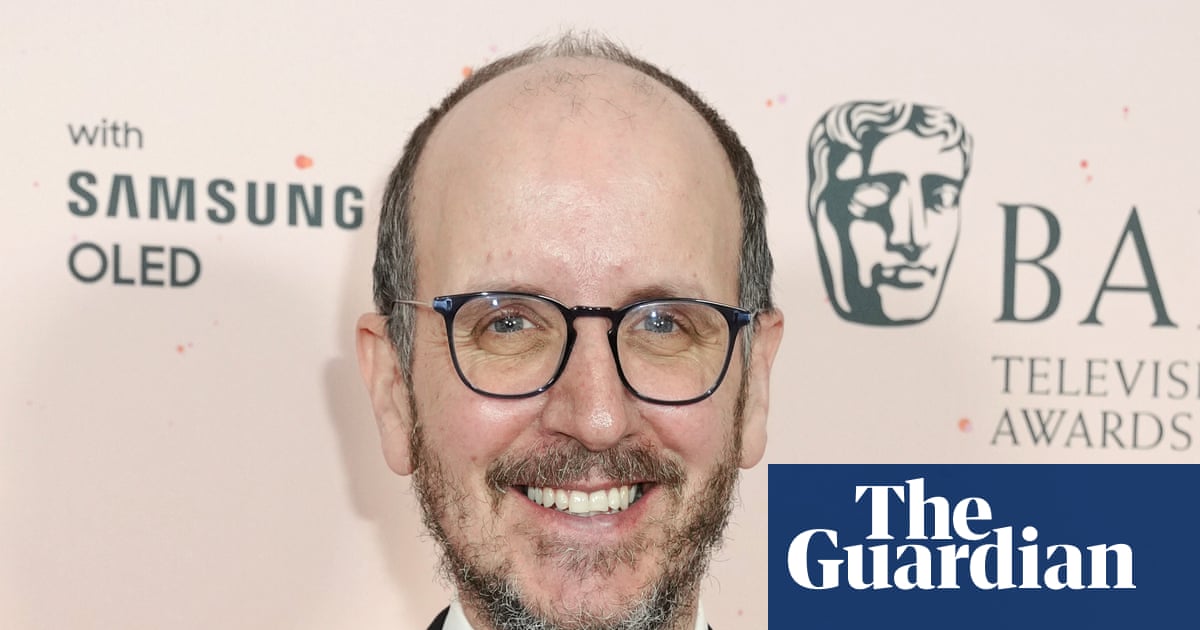

Jack Thorne, a prominent figure in the British screenwriting community, has raised alarms about the unethical use of artificial intelligence in scriptwriting. He has called for stringent legislative measures to prohibit the undisclosed utilization of AI tools in creating scripts, which he believes undermines the integrity of the profession.
Thorne, known for his collaborations on acclaimed projects such as the Netflix series Adolescence and the stage adaptation of Harry Potter and the Cursed Child, emphasized the necessity for writers to maintain honesty in their work. He expressed concern over AI systems that replicate and often appropriate creative content, citing the need for robust copyright protections.
Delivering a heartfelt address in London, Thorne criticized the government for its lack of action regarding the widespread scraping of material by AI developers to train their models. He noted that the current administration, under Keir Starmer, appears to be “dazzled by technology” and has failed to safeguard the rights of writers amidst these developments.
Thorne shared anecdotes from industry executives and fellow writers who have expressed unease about AI’s encroachment on traditional writing. He stated, “Some individuals in this field are resorting to AI to cheat,” clarifying that he does not object to AI being used as a writing aid for proofreading or brainstorming, but rather as a substitute for actual writing effort.
“Using AI in place of genuine effort is tantamount to deceiving employers and peers,” he argued, reinforcing that writers should be transparent about their AI usage. He proposed that employing AI to generate content should be met with legal ramifications, identifying such actions as fraudulent if not disclosed.
Thorne, who leads the Writers’ Guild of Great Britain, warned that if entities like publishers or streaming platforms identify writers as the source of issues regarding content reliability, it could excuse them from adhering to ethical practices. He insisted on the necessity of strong consequences for such practices, similar to academic penalties for plagiarism.
He advocated for organizations like the BBC and Channel 4 to impose sanctions on those found to use AI-generated content improperly. “For the protection of the most vulnerable, this is crucial,” he stated, highlighting the close connection between a writer’s identity and their work and the importance of clarity in legal frameworks.
Thorne also condemned the notion of AI mimicking the work of actors, directors, or writers, calling for comprehensive safeguards against such practices. He criticized the government’s lack of response in protecting intellectual property from AI exploitations, asserting that the decisions made over the next few years will shape the landscape for writers in the long term.
Last year, Starmer’s government dismissed a recommendation requiring artists and copyright holders to opt-out of their works being used for AI training, opting instead for a consultation process after facing backlash.
Thorne asserted, “There are numerous steps the government could take,” emphasizing that proactive measures are essential to prevent copyright violations in the AI sector.
He concluded by urging for decisive government action for a sustainable future, stressing the need for legislative frameworks that protect against exploitative practices in the tech industry. “The AI we develop must not arise from intellectual theft; government must delineate boundaries in this discourse,” he added.
In response, a government spokesperson stated: “Our copyright laws are designed to protect the UK’s position as a hub of creativity while fostering innovations driven by AI. We are actively working towards achieving favorable outcomes for both the creative and technological sectors.”
Editor’s Take
This development underscores a critical intersection between technology and creative integrity. Thorne’s call for legal safeguards highlights the pressing need for transparency in AI applications within the writing industry. As AI technology continues to evolve, setting clear boundaries will be essential to maintain fairness and creativity in the arts, ultimately influencing the entire landscape of content creation.
Source: www.theguardian.com