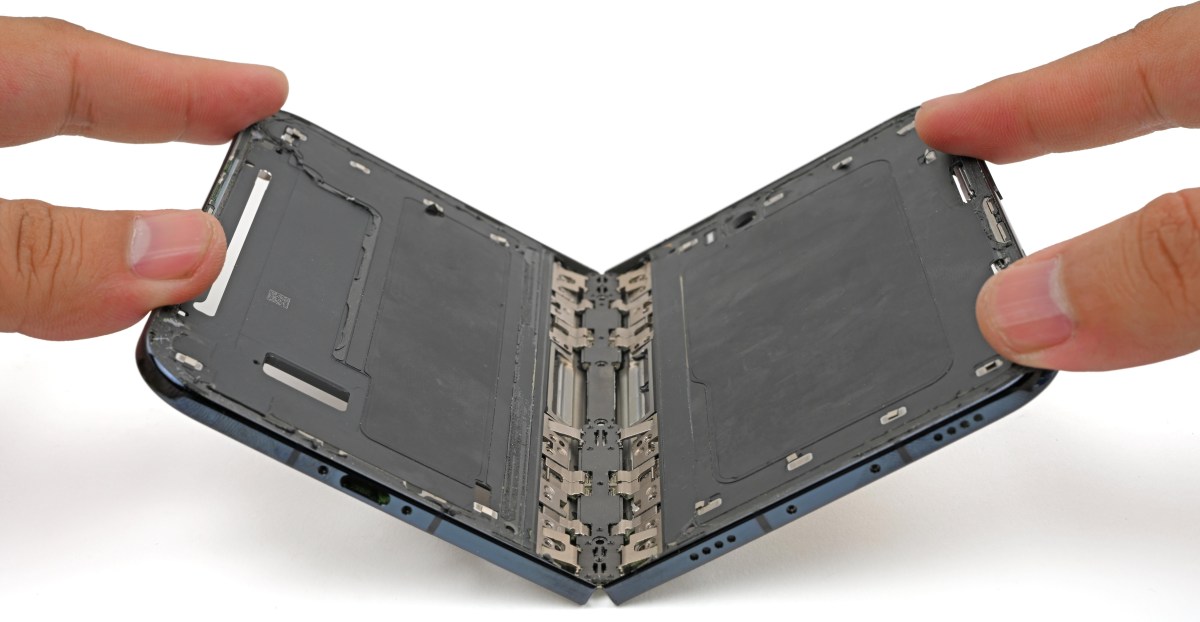

During Apple’s annual September event, the tech giant unveiled a range of new products and features that generated considerable buzz. Among the highlights was the introduction of the iPhone Duo, Apple’s first foldable device, alongside the anticipated iPhone 18 Pro and iPhone 18 Pro Max. Additionally, the company announced that Active Noise Cancellation (ANC) is now available on the newly launched AirPods 5, making it more accessible than ever. However, notable by its absence was the much-speculated AirPods Pro equipped with cameras, which Mark Gurman from Bloomberg reported have been pushed to 2027.
Concerns regarding the inclusion of cameras in earbuds are prevalent, as consumers express discomfort with any company’s inclination to incorporate recording devices into personal tech. The introduction of LED indicators in smart glasses has proven insufficient in alleviating privacy apprehensions. Incidents involving Meta smart glasses have underscored the potential for covert recording, leading to a sense of unease. While recording in public is generally permissible under U.S. law, the societal implications are troubling, especially given the ubiquity of earbuds.
Rumors surrounding the anticipated AirPods suggest that the cameras would be low-resolution and primarily serve to enhance the functionality of Siri AI and provide visual intelligence. This technology could facilitate navigation or aid users in identifying textual content and objects. Despite the lower resolution, the prospect of continuous data collection raises serious privacy issues.
Apple also revealed a feature called Audio Intelligence for the new Apple Watch, which appears to be a groundwork for the visual intelligence expected in the future AirPods Pro 4. According to Apple’s support documentation, audio data is not stored nor accessible, indicating that similar protocols might be applied to video data as well. Furthermore, any information used for generating summaries with the Siri Recap feature remains inaccessible to Apple and is end-to-end encrypted.
Functionally speaking, any camera system in earbuds would rely on visibility—a challenge for users with long hair or who frequently wear hoods. The delay until 2027 for the camera-equipped AirPods could point to Apple’s intention to navigate current public sentiment regarding personal privacy and surveillance technology.
Despite the privacy challenges, there could be potential advantages for users. Camera-equipped AirPods might enhance accessibility by improving situational awareness for visually impaired users and assisting those with hearing difficulties in reading lips. The technology could enrich the user experience by focusing microphones on individuals they are speaking with.
While there are positive possibilities for this technology, trusting companies with invasive capabilities raises significant concerns. The ongoing dialogue around privacy and surveillance is critical, as users grapple with these emerging technologies. Although many are apprehensive, it seems inevitable that camera-equipped devices will make their way into daily life.
Editor’s Take
The introduction of advanced features like Audio Intelligence and speculation about camera-equipped AirPods highlight a critical intersection between innovation and privacy. As technology evolves, so too does the need for transparent practices that safeguard user data. Companies must prioritize trust to navigate these turbulent waters, especially given the potential for misuse in a world increasingly concerned with privacy.
Source: www.theverge.com