
ShinyHunters, a notorious hacking group believed to operate in English-speaking regions, has been implicated in a range of criminal activities, including swatting incidents and violent attacks on law enforcement and rival groups. Swatting entails making false emergency calls that summon heavily armed police units, often leading to dangerous confrontations.
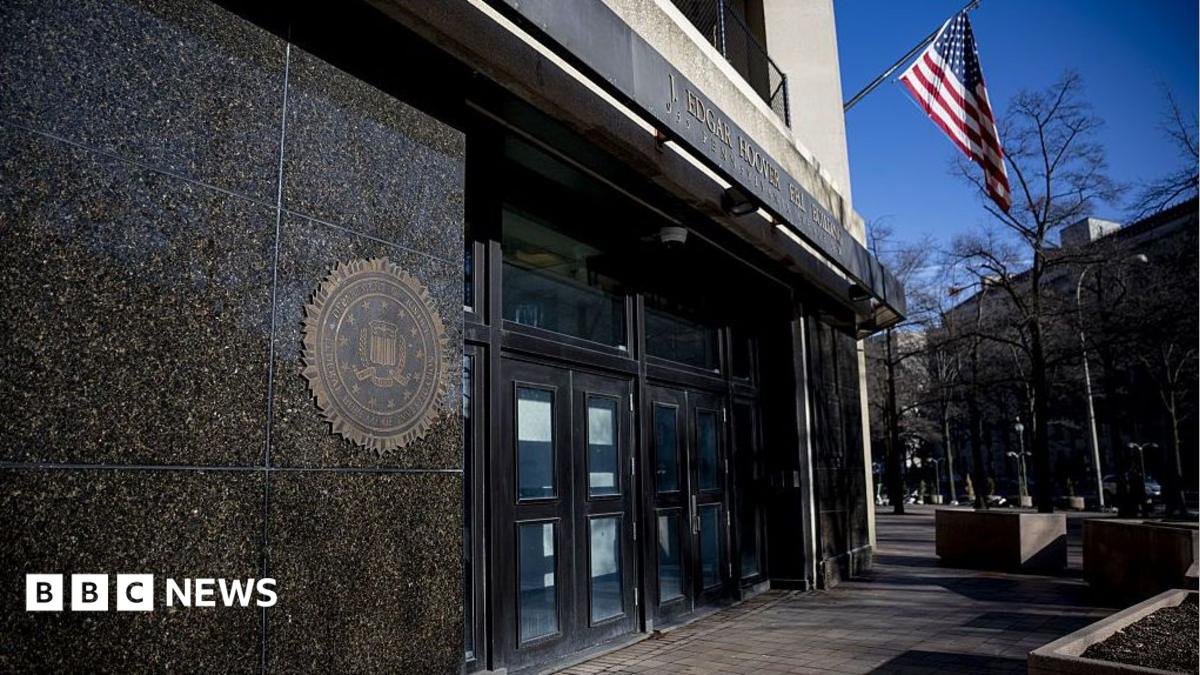
Recently, the group claimed responsibility for breaching FBI systems, subsequently disclosing details of the cybersecurity incident on its dark web platform. While the FBI has yet to comment on the breach, it did confirm the incident on Wednesday, stating that the agency is “aggressively investigating” the matter.
According to Michael McPherson, a former FBI agent who now serves as senior vice president of security operations at ReliaQuest, the hack raises significant security concerns, particularly related to the safety of agents and their families. He remarked that while agents are aware of the risks inherent in their roles, breaches that expose personal data—such as home addresses and contact details—put their families at further risk.
ShinyHunters released samples of the purported stolen data to journalists, accompanied by an extortion demand. The authenticity of these samples appears credible, containing sensitive information such as names, addresses, phone numbers, badge numbers, job titles, and even details about family members.
These records reportedly encompass data pertaining to thousands of agents, including high-ranking officials like deputy directors. Alarmingly, the criminals also seem to have acquired highly sensitive medical information about various special agents.
Reports indicate that BBC News has obtained samples of the stolen “fitness-for-work” medical exams, which include blood and urine test results, as well as doctors’ notes referencing allergies and other medical conditions. Some agents’ full names, addresses, and health issues such as “high cholesterol” and “blood in the urine” are now potentially at the disposal of hackers.
Cynthia Kaiser, former Deputy Director of Cyber at the FBI and current head of the Research Centre at Halcyon, stated that ShinyHunters may already have lost control of a portion of the stolen data. This data is reportedly circulating among online groups of cybersecurity researchers, which could lead to harm even before the bulk of the information is publicly released.
Kaiser noted, “A lot of the damage may already be done, and as we have seen in past FBI data breaches, that information continues to circulate on the dark web for years.” Additionally, there are serious concerns regarding the breach’s implications for national security, as agents may become targets for recruitment by hostile foreign intelligence services.
Editor’s Take
This breach highlights the ongoing vulnerabilities faced by critical government institutions like the FBI. The exposure of sensitive information not only jeopardizes the safety of agents and their families but also raises national security concerns. It serves as a stark reminder of the urgent need for robust cybersecurity measures across all sectors.
Source: www.bbc.co.uk