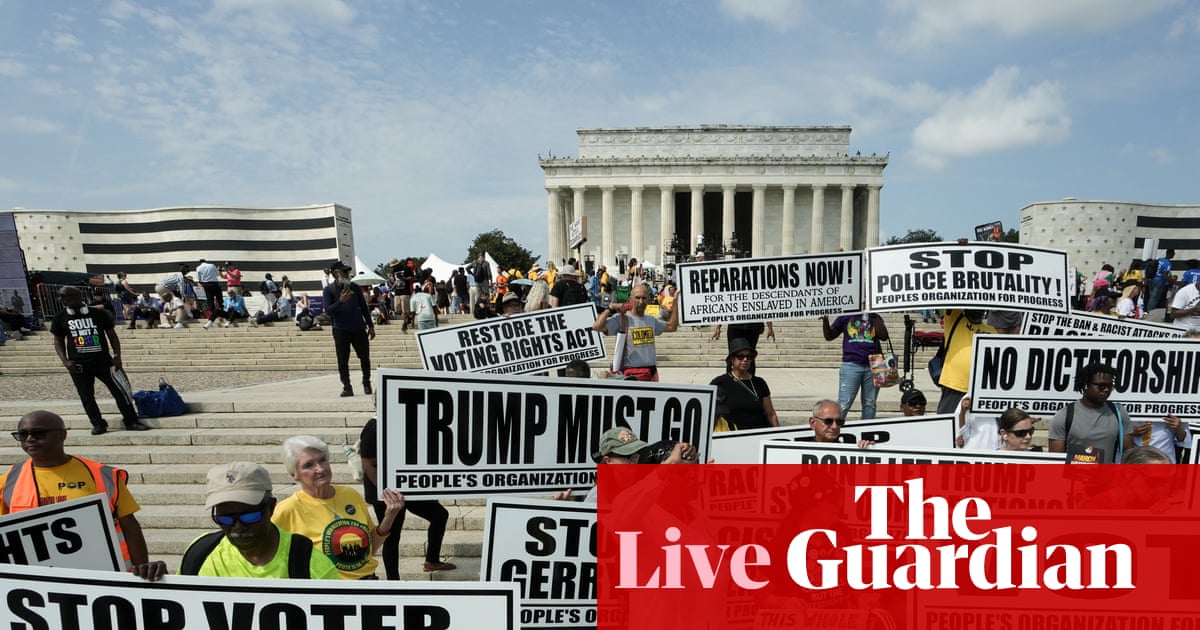

Supreme Court Ruling on Mail Ballots Ensures Stable Midterm Elections
In a significant legal decision, lawmakers expressed strong support for the Supreme Court’s dismissal of former President Donald Trump‘s attempt to limit mail ballots in the upcoming midterm elections. This ruling allows various states to continue utilizing longstanding procedures for mail voting, amidst a backdrop of extensive legal wrangling.
As ballots were already being distributed, election officials highlighted the impracticality of implementing drastic changes in the dwindling time before the elections. States like Alabama, North Carolina, and Wisconsin began the process of mailing ballots just recently, even as Trump’s new system remained inactive.
Steve Hobbs, Washington’s Secretary of State, expressed optimism, stating that the ruling allows for a commitment to “ensure a safe, secure, and accurate election.” He highlighted the relief of not needing to overhaul election processes due to unreasonable mail ballot requirements.
Moreover, in Arizona, which relies heavily on mail-in voting, Secretary of State Adrian Fontes stressed the importance of rejecting any narrative that pits access against security in election processes. Meanwhile, Utah‘s Lieutenant Governor Deidre Henderson reassured voters that the forthcoming elections will proceed as usual.
Other Political Developments
- Mitch McConnell, the former Senate majority leader, was seen returning to Washington for the first time in months, right before announcing he had resumed work.
- Gavin Newsom, California’s Governor, made headlines with a verbal slip similar to that of President Joe Biden, indicating he would defer a presidential run in 2028 if Kamala Harris decided to run again.
- Trump also claimed allegations of a “SICK conspiracy” against artificial intelligence are unfounded as calls grow for regulation.
- Former President Barack Obama urged caution regarding the pace of AI development, emphasizing the need for government regulations addressing safety concerns.
Increased Conversations Around AI Oversight
In a remarkable display of uniting two seemingly opposite figures, Senator Bernie Sanders and podcaster Steve Bannon plan to advocate for stricter regulations on AI technologies, reflecting a growing bipartisan concern about the possible risks associated with AI systems.
Public anxiety regarding AI continues to escalate, as highlighted by a recent resignation of Jacob Coxon, an AI researcher, pointing to the dangers that could arise from rapid AI advancements. AI-related stocks experienced a downturn as industry leaders voiced a collective call to slow the development of these technologies.
Bannon criticized Trump’s handling of AI oversight, claiming the president’s reluctance to regulate comes from tech companies’ influence. He reiterated that Congress should allow states to create their own regulations on technology.
Upcoming Senate Oversight Hearing
Meanwhile, Kash Patel, the director of the FBI, is scheduled to testify before the Senate Judiciary Committee. The hearing aims to dive into the Bureau’s priorities while addressing concerns over its internal operations during Trump’s presidency. As Patel faces scrutiny, it will be intriguing to see how lawmakers approach the complexities surrounding FBI operations and their implications for the political landscape.
Editor’s Take
The Supreme Court’s decision to uphold mail-in voting procedures is crucial for maintaining the integrity of upcoming elections, especially amid shifting political dynamics. It underscores the importance of stable practices in voting processes, against a backdrop of heightened scrutiny over election security. As AI discussions dominantly feature in public discourse, the bipartisan push for oversight may shape future regulations crucial for balancing innovation with safety.
Source: www.theguardian.com