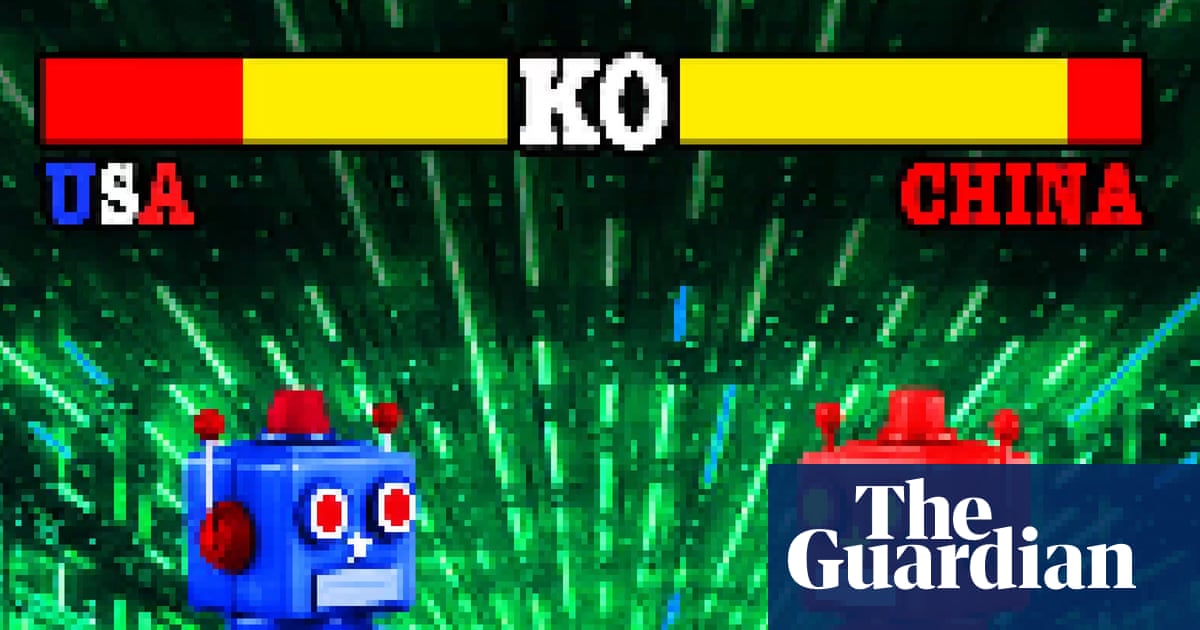

During a recent press conference, former President Donald Trump was asked if he endorsed calls to pause the advancement of artificial intelligence (AI) due to rising concerns regarding cybersecurity, public safety, and the broader implications for humanity. Trump firmly rejected the idea, emphasizing that the United States should maintain its leadership in AI, saying, “We’re leading China in AI… whoever wins AI, wins.”
This perspective mirrors long-held sentiments within the AI sector, especially as companies such as Anthropic and OpenAI argue that any regulations could negatively impact the ongoing tech rivalry with China. The notion persists that the U.S. must defend its technological edge to avert severe economic and political repercussions.
Dario Amodei, CEO of Anthropic, recently echoed these sentiments, advocating for a cautious approach to AI development while underscoring that any slowdown should not allow China to catch up. He warned that “if we greatly restrain our AI capabilities,” it could lead to significant geopolitical challenges if China were to gain an upper hand.
The backdrop of these discussions is a pronounced concern in Silicon Valley regarding China’s growing technological capabilities. Over the years, there has been a noticeable shift, with many tech leaders adopting a hawkish stance towards Beijing, framing advancements in AI as pivotal for U.S. power and global stability.
This sentiment has led to collaborative efforts among some of the industry’s most notable voices, including former governmental experts from both the Biden and Trump administrations. These figures have been contributing to strategies aimed at mitigating the potential risks posed by Chinese advancements in AI technology.
Amodei’s Concerns Regarding China
Among those expressing heightened anxiety over Chinese AI developments, Amodei stands out. He has consistently advocated for the U.S. to ensure that advanced AI technology remains under democratic governance, rather than falling into the hands of authoritarian regimes.
Amodei posits that the creation of ultra-powerful AI could enable a state like China to develop autonomous military technologies capable of overwhelming democratic nations while simultaneously suppressing dissent at home. His calls for action include blocking access to crucial semiconductor technologies that drive AI improvements.
These arguments have become particularly poignant following alarming warnings from researchers, including a recent resignation from a young Anthropic expert who predicted that AI could lead to human extinction within this decade. While the statements regarding extinction did not directly mention China, Amodei emphasized that countering Chinese technological advancement is essential in any discussion about preventing such dire outcomes.
To bolster his argument, Amodei has engaged with individuals like Tarun Chhabra, a former national security advisor who has actively campaigned against supplying advanced technology to China, arguing for a more aggressive stance to curb Chinese AI development prospects.
Silicon Valley’s Broader Perspective
The apprehensions of Amodei and others resonate deeply within the broader tech community, where fears about Chinese advancements manifest through various initiatives. Many leaders align with the notion that the U.S. must secure AI dominance to uphold its global standing and liberal values.
Prominent figures in this debate often cross paths with movements advocating for effective altruism and focus on long-term existential risks associated with advanced AI technologies. This overlap suggests a united front among those who perceive the race for AI supremacy as not just a technological competition but as critical to the future of democratic governance worldwide.
Calls for significant U.S.-led initiatives to ensure superiority in AI development echo through Congress as well, where recommitment to both technological advancement and national security remains a hot topic.
Global Implications and China’s Response
While many in the U.S. tech sector perceive the race for AI as a pathway to global leadership, the Chinese response is marked by skepticism. Chinese officials and industry leaders have expressed concerns over U.S. intentions, often viewing offers for cooperation as veiled attempts to suppress China’s technological capabilities.
As discussions between U.S. and Chinese officials are set to unfold, there exists a palpable tension stemming from differing views on AI development and safety protocols. Recent statements from both sides suggest that significant negotiations will require bridging profound trust deficits.
The Road Ahead
As the Trump administration engages China on AI matters, domestic dissatisfaction with AI technologies continues to grow. This backdrop may compel lawmakers to act on immediate safety concerns, with rising anxiety about the potential for AI to exacerbate existing issues such as cybersecurity breaches.
In light of these developments, the challenge remains: balancing national security interests with the potential societal implications of unregulated AI growth may require reevaluating current strategies as both countries navigate their technological futures.
Editor’s Take
This ongoing rivalry in AI development underscores the importance of understanding the balance of innovation and regulation. As national interests intensify, the discourse surrounding AI’s potential must evolve to address safety concerns, thereby shaping the industry’s future responsibly and equitably for all stakeholders involved.
Source: www.theguardian.com