

ChatGPT Introduces Wallet Feature for AI Agents to Shop and Checkout Efficiently

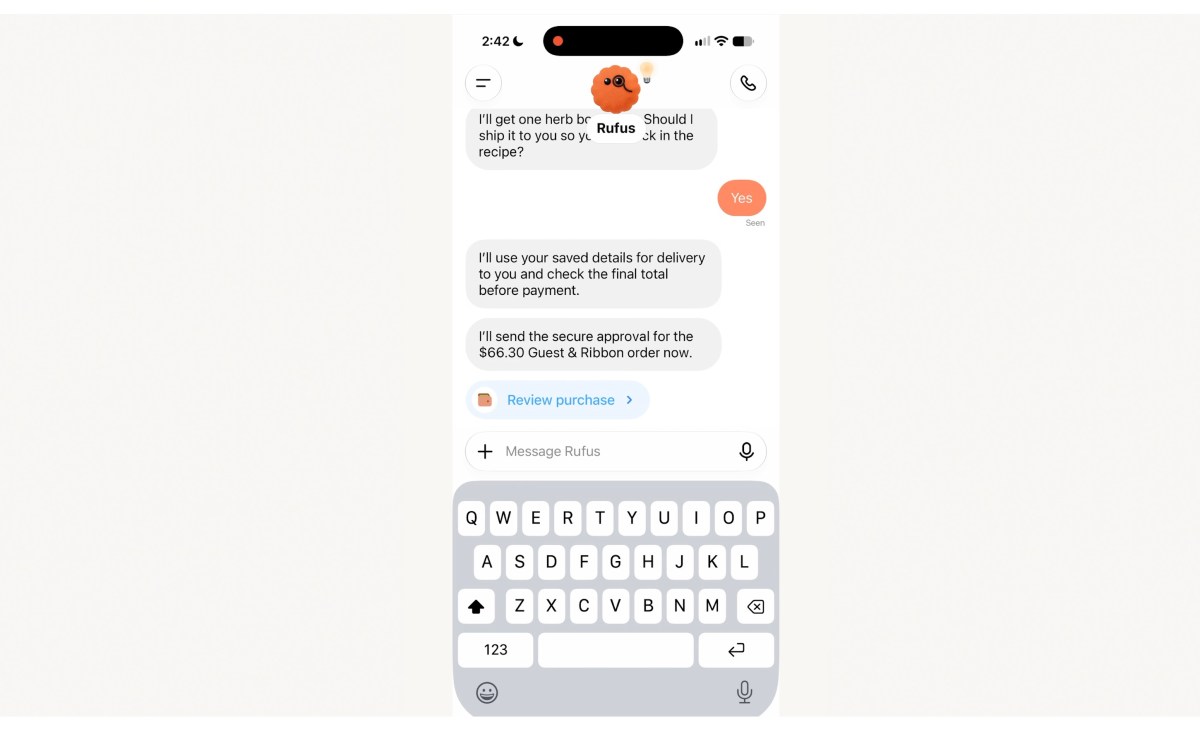
OpenAI has launched an innovative new feature that allows ChatGPT to facilitate online shopping for users. The launch occurred on Friday, introducing a wallet function that enables agents known as dots to assist customers in selecting items and making purchases on their behalf. Initially, this feature will be available to a select group of ChatGPT Pro subscribers in the U.S. who are 18 years or older, and possess a Visa, Mastercard, or American Express issued in the United States.
Users maintain full control over their purchases, able to review items, total costs, and the chosen payment method before finalizing any transactions. To ensure security, purchases require user approval through a security verification method, such as Face ID or fingerprint authentication, creating a secure record of each transaction.
This addition comes at a time when consumer-facing AI tools are striving to establish their relevance by helping users enhance efficiency in various tasks. In contrast to services like DoorDash and Uber, which have reported low usage of their AI agents for order placement, Meta’s Muse application has attracted over 10 million users, with shopping becoming a prominent feature.
Other personal AI agents, such as Instinct, also offer functionalities for making purchases on behalf of users, indicating a growing interest in this area. Consequently, OpenAI’s entry into agent-driven shopping is a logical progression.
Getting started involves adding eligible payment cards to the new ChatGPT Wallet, allowing users to request their dot’s assistance with shopping. This setup is a one-time process, bypassing the need to repeatedly enter payment information. When a transaction is initiated, the wallet utilizes a payment token—a substitute for actual card details—to ensure that sensitive information remains confidential from both the dot and the merchant.
Merchants will automatically receive necessary order fulfillment details from the dot, such as shipping address and contact information. Importantly, customers using their dots can still benefit from credit card rewards and the standard protections that accompany card transactions, including the ability to dispute charges.
The limited launch phase is designed to allow OpenAI to refine this feature based on user feedback before expanding its availability. Future enhancements are planned, including granting users greater control by setting spending limits and configuring purchase parameters for pre-approved transactions, allowing for more autonomous handling by the agent.
OpenAI also aims to extend the feature to a wider range of retailers. However, it may face challenges in securing partnerships, as some retailers—most notably Amazon—have actively restricted AI agents from accessing their platforms, opting instead to promote their own AI assistant, Alexa.
To support the adaptation of retailers to this new form of commerce, OpenAI has released a Commerce Partner Playbook, providing essential tools and guidance for businesses aiming to facilitate transactions via AI agents.
Editor’s Take
This development represents a significant step toward integrating AI into everyday shopping experiences. By allowing AI to manage purchases, users can save time and streamline transactions. For businesses, the adaptation to AI-driven commerce could redefine customer interactions and reshape e-commerce landscapes, presenting both opportunities and challenges in maintaining user trust and security.
Source: techcrunch.com