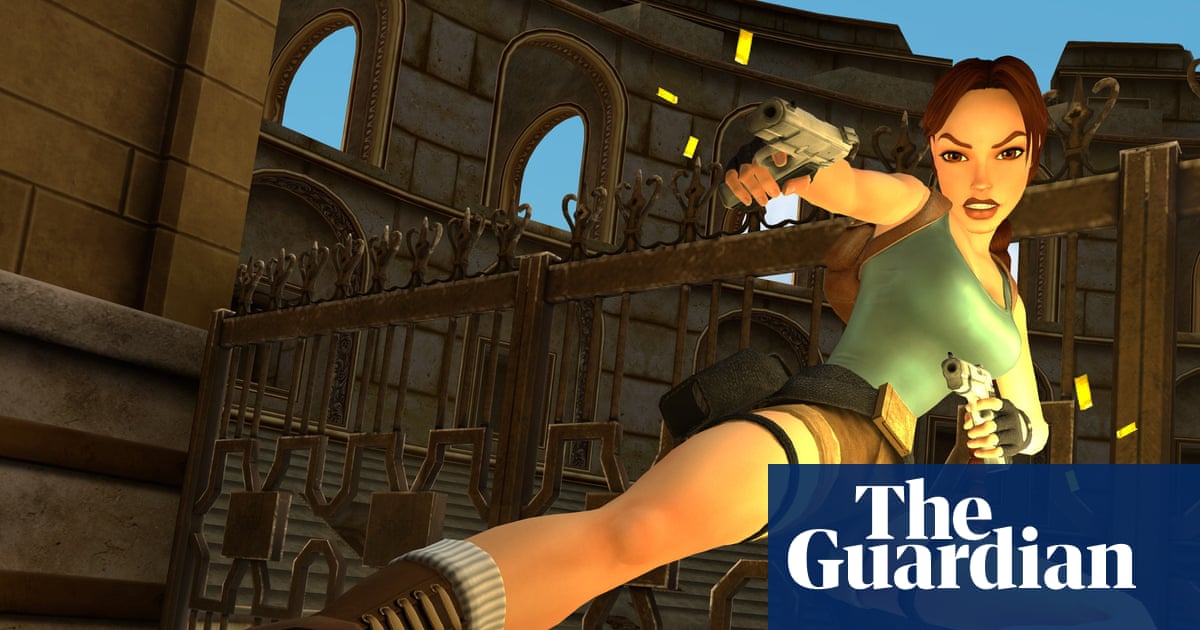

This month, we celebrate a milestone: the 30th birthday of Lara Croft, the iconic character who first captivated gaming enthusiasts with her combination of agility, intellect, and memorable design. Since her debut, over 100 million units of the Tomb Raider franchise have been sold, with Lara solidifying her status as a cultural phenomenon of the 90s that blended both male-oriented and feminist ideals. From blockbuster films to various game reboots, Lara has enjoyed considerable success—but her journey has also had its share of controversies and missteps.
Commercial Exploitation of a Gaming Icon
Over the years, Lara’s image has been marketed extensively, appearing on everything from cereal boxes to soda advertisements. Notably, a 1999 promotional campaign for a German women’s magazine featured Lara expressing a wish for a “big meringuey wedding dress” rather than ancient artifacts, highlighting a peculiar shift from her original adventurous persona.
Such commercial ventures often undermined her character, as evidenced by a bizarre Dreamcast advertisement where Lara likened the console to a jar of anti-aging cream, leading many women to humorously attempt skincare with gaming hardware.
The Developers’ Muddled Vision
The first Tomb Raider game, launched in 1996, became a surprise hit, prompting Eidos to demand annual releases. The pressure led to a controversial decision to kill off Lara in Tomb Raider: The Last Revelation. The news was so secretly tucked away in the design documents that the publisher was caught off guard, forcing developers to resurrect her in a convoluted narrative.
Following this mishap, Tomb Raider: Chronicles wound up being a flashback-riddled sequel that many fans considered subpar.
Lara’s Darker Days
Lara’s image took another hit with the 2003 release of Tomb Raider: Angel of Darkness, which was marked by dull gameplay and an uninspired Parisian setting. Players were not amused by the introduction of secondary characters who only served to detract from the solo adventurer experience that had originally drawn them in.
Among these characters, Kurtis Trent was particularly criticized for exemplifying “edgelord” qualities, further detracting from Lara’s status as a strong lead.
Disappointment on the Silver Screen
While some enjoy the nostalgia of the early Tomb Raider films, none of the adaptations have been universally praised. The sequel, The Cradle of Life, has been derided as incoherent and lackluster, which reflects a broader trend of missed opportunities in adapting gaming narratives for the big screen.
Controversies Around Reboots
The 2013 reboot of Tomb Raider sought to rejuvenate Lara’s image but sparked backlash over its portrayal of her character, especially regarding a trailer that depicted a distressing assault. The executive producers failed to grasp the nuances of female representation, resulting in a misinterpretation of what made Lara an appealing character to gamers.
Lasting Legacy
Despite facing numerous obstacles and criticism over the years, Lara Croft remains a prominent figure in gaming culture, with a new adventure on the horizon. The upcoming title promises to delve deeper into her character, representing her as a multifaceted protagonist rather than a mere object of desire or a damsel in distress.
Lara Croft’s story reflects the evolving landscape of video game narratives and the ongoing struggle for strong, nuanced female characters in a traditionally male-dominated industry.
Editor’s Take
Lara Croft’s 30-year journey reflects both the complexities of gaming culture and the changing narratives surrounding female characters. As gaming continues to evolve, the examination of Lara’s past blunders serves as a critical reminder for developers to prioritize authentic representation and compelling storytelling.
Source: www.theguardian.com