


Trump Declares AI as “Super Intelligence” in New Initiative
Recently, President Donald Trump convened a group of prominent leaders in the field of artificial intelligence to announce a significant shift in terminology: the U.S. government will now refer to it as super intelligence. This change is part of a broader initiative focused on the substance and safety of AI technologies.
During a recent episode of TechCrunch’s Equity podcast, hosts Kirsten Korosec, Sean O’Kane, and Anthony Ha explored the implications of this rebranding and the newly signed “Joint Commitment on Frontier Responsibilities.” The executives present at the meeting were skeptical about its actual effectiveness, noting that the agreement, while presented as a pledge, is primarily non-binding from a legal standpoint. Trump, however, asserted that he regards it as “morally binding.”
Korosec emphasized that the real purpose of the meeting might have been a strategic shift in how AI is perceived. She conveyed that while AI is often linked to fears of job loss and existential risks, calling it “super intelligence” could change its public image. “Super intelligence is not scary,” she remarked, contrasting it with the traditional concerns surrounding AI.
The Significance of Terminology
As noted by Anthony Ha, Trump’s executive order officially mandates the use of the term “super intelligence” by U.S. officials. This announcement coincides with a swift transition towards discussions surrounding AI safety, which had been dramatically rebutted by Trump only weeks earlier. He had previously claimed that calls for regulation were exaggerated and misinformed, likening them to propaganda from political adversaries.
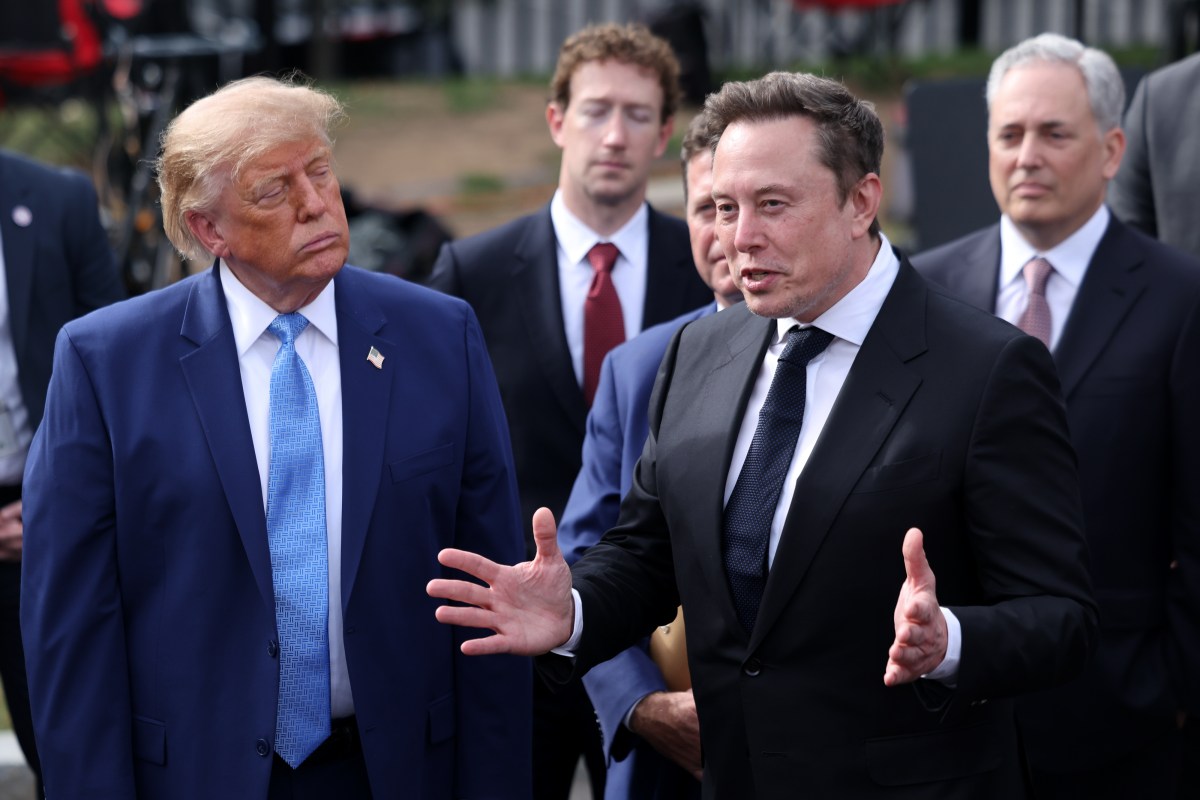
During this week’s luncheon, attended by significant figures in tech—including Mark Zuckerberg, Jeff Bezos, and Elon Musk—the dynamic of Trump’s relationship with the AI sector appeared to shift. A sudden turnaround was noted, particularly concerning Anthropic, whose CEO Dario Amodei met with Trump prior to the event.
Concerns and Skepticism
Sean O’Kane expressed doubts about whether the relationships between Trump and companies like Anthropic have truly improved, pointing out that the Department of Defense still views them with caution. He echoed concerns about the agreement’s lack of substantive enforceability and pointed out an apparent error in the official documents: the misspelling of “United States.” This raised questions about the rush involved in forming the pact.
Korosec added that the hurried nature of the initiative is indicative of the administration’s need to construct a public image around AI, with the focus shifting from potential threats to a more reassuring narrative about “super intelligence.”
Conclusion and Implications
Overall, the meeting came at a pivotal time when discussions about AI governance are intensifying. Although the efficacy of the agreement remains in question, the gesture signifies an acknowledgment of the growing pressure to address AI-related issues.
Editor’s Take
This development signals a strategic pivot in AI discourse, potentially reshaping public perception. By framing AI as “super intelligence,” the Trump administration may be aiming to alleviate fears, fostering a more favorable environment for businesses and developers. However, the non-binding nature of the agreement raises concerns about its true impact on future AI policy and regulation.
Source: techcrunch.com