

BMW Unveils the iX4: A Powerful Contender in the EV Market
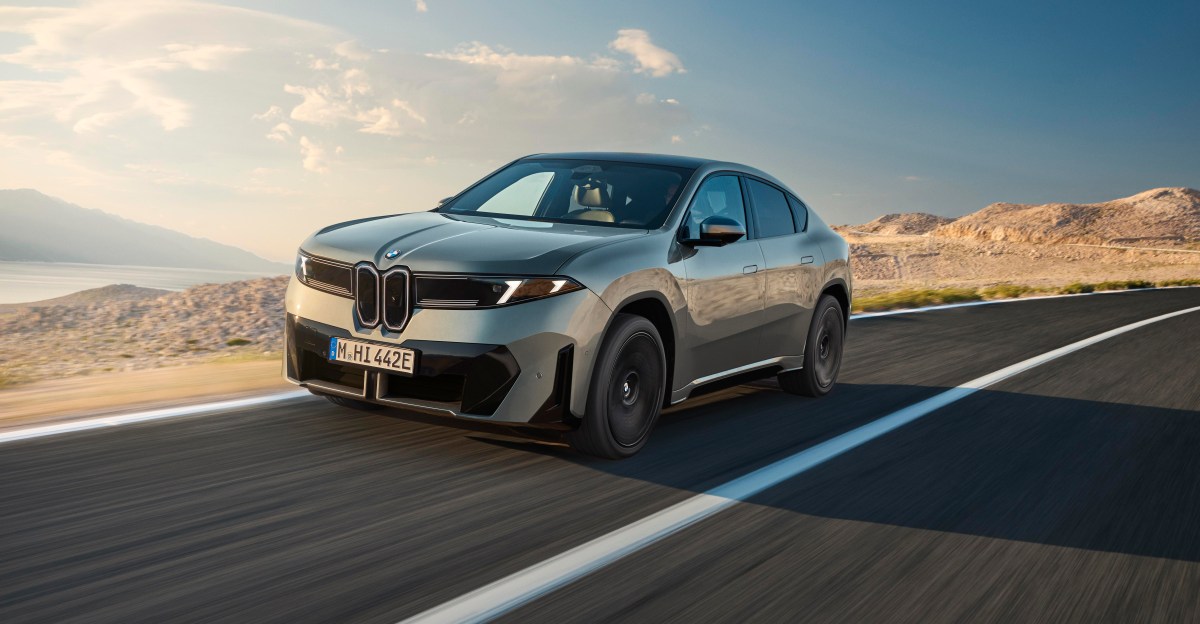
The automotive landscape is witnessing fierce competition, particularly as the rise of Chinese electric vehicle (EV) manufacturers challenges established brands. Amidst this backdrop, BMW remains committed to delivering high-quality, technologically advanced electric vehicles. Their latest offering, the BMW iX4, is a coupe-style SUV that adds a sporty flair to the existing iX3 model.
The iX4 is the third vehicle emerging from BMW’s innovative Neue Klasse platform, following the release of the iX3 and i3. Anticipation is building as the iX4 50 xDrive is set to debut in March 2027, with a high-performance M60 xDrive variant to follow later in the year. This new range is BMW’s strategic response to the influx of Chinese imports, which are significantly impacting European brands. While the iX4 boasts impressive technology and range, its affordability compared to Chinese models remains uncertain.
Pricing for the iX4 50 xDrive starts at an estimated $66,200, not including destination fees. The vehicle features BMW’s latest “Gen6” high-voltage battery, which offers 112.2 kWh of usable energy. With an 800-volt architecture, the vehicle enables rapid charging and boasts an EPA-estimated range of up to 428 miles.
The iX4’s range surpasses that of the Tesla Model Y, which continues to be the world’s best-selling electric vehicle. BMW has consistently exceeded expectations in terms of range, leading industry experts to question if they are overreaching. Other manufacturers have performed well with mid-300-mile ranges, while Lucid Motors struggles despite offering over 500 miles.

BMW aims to excel in range and efficiency, now introducing robust performance metrics. The dual-motor setup in both the 50 xDrive and M60 xDrive variants promises an exhilarating drive. The 50 xDrive generates 463 horsepower and 475 lb-ft of torque, achieving 0 to 60 mph in just 4.7 seconds. The M60 xDrive takes it up a notch with 603 hp and 645 lb-ft of torque, reaching 60 mph in a remarkable 3.7 seconds.
The rear axle features a special electrically excited synchronous motor (EESM), enhancing efficiency by eliminating traditional permanent magnets. This advanced inverter converts direct current to alternating current, optimizing energy use and limiting losses. Moreover, the Gen6 batteries utilize cylindrical lithium-ion cells that deliver a 20% boost in energy density compared to previous generations.
In keeping pace with industry advancements, BMW’s Neue Klasse EVs focus on superior fast-charging capabilities. The 800V architecture of the iX4 facilitates DC fast charging at rates up to 400 kW, allowing for 184 miles of range to be replenished in just 10 minutes. Additionally, the vehicle is compatible with over 80,000 Tesla Supercharger connectors globally.
The iX4 also features the redesigned Panoramic iDrive infotainment system, which eliminates conventional gauge clusters in favor of a heads-up display that spans the lower windshield. The vehicle allows for customization with up to six widgets including navigation and media directly on the display.
Among the iX4’s innovative features are bidirectional charging capabilities, a smart charging flap that activates near known charging points, and Plug & Charge functionality across multiple providers.
In summary, while the Tesla Model Y edges out the iX4 in certain areas such as pricing, acceleration, and advanced autonomous driving features, BMW offers a broader array of options. The lineup includes the iX4 50 xDrive, the sportier M60 xDrive, and more affordable choices like the iX3 and the redesigned i3 sedans.
Editor’s Take
This launch underscores BMW’s commitment to innovation within the electric vehicle sector. As the competition intensifies, especially from Chinese manufacturers, BMW aims to leverage its superior technology and variety to attract discerning customers. Whether this strategy effectively counteracts the affordability advantage of competitors remains to be seen.
Source: www.theverge.com