

Anthropic Introduces New Hardware Standard for AI Control in the Physical World

Anthropic Unveils New MHS Standard for AI Integration with Physical Systems
In a significant advancement for artificial intelligence, Anthropic has introduced the Model Hardware Standard (MHS), enabling AI systems to interact with and control physical devices more efficiently. This innovative framework allows models like Claude to perform tasks such as adjusting lasers and focusing microscopes autonomously while continually optimizing their operations through real-time feedback.
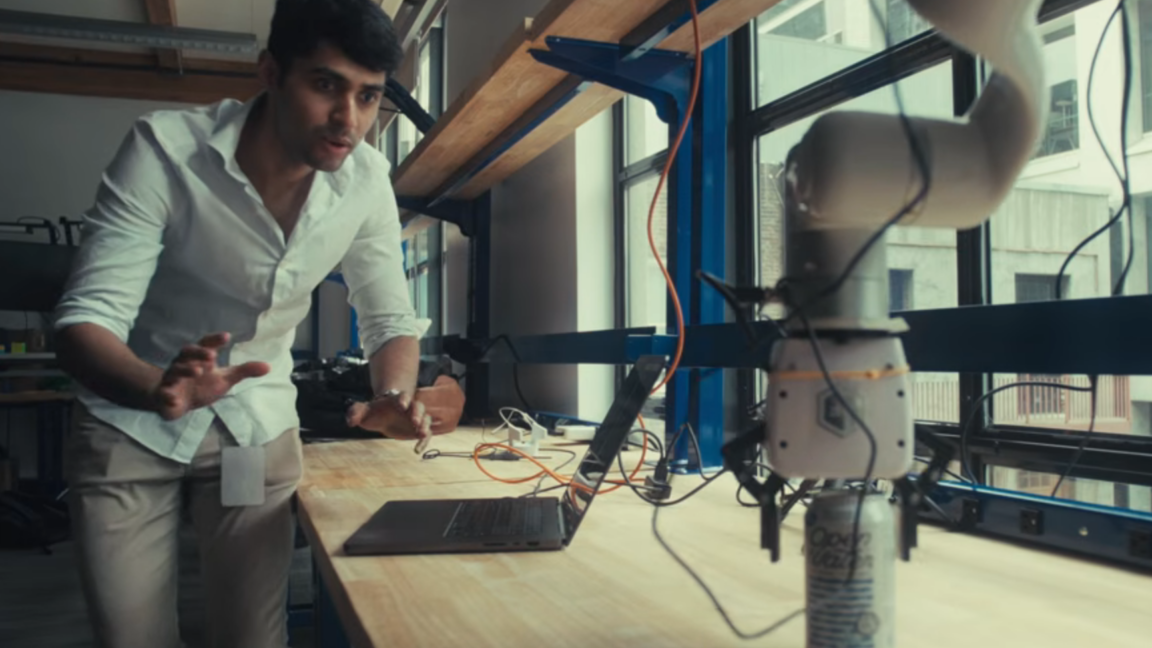
During a recent presentation, Anthropic demonstrated how Claude could successfully command a robotic arm to pick up an aluminum can, despite not being specifically trained for this task. This capability underscores MHS’s potential to enhance the adaptability of AI in complex environments. Rather than recalibrating each action, models enhanced with MHS will be able to sequence commands across different instruments by generating and modifying API scripts based on changing conditions.
Another key feature of MHS is its standardized tagging system, which describes the physical constraints of hardware for AI models that may have been predominantly trained in virtual settings. This system encodes vital information, such as the weight, range, and adjustable parameters of devices, alongside their safety limits. By integrating these tags into a comprehensive reference file, AI models can quickly acquire essential knowledge regarding unfamiliar equipment.
Currently, Anthropic is collaborating with a select group of scientific research laboratories and leading manufacturers during the MHS preview phase. Partners include notable names like Amazon Web Services, Hugging Face, Raspberry Pi, Automata, and Universal Robots. This collaboration aims to develop safety evaluations and best practices for AI systems working with physical machinery. Following this preliminary phase, Anthropic intends to make MHS an open-source standard that is not tied to any specific agent or platform.
Initial testing with partners over the last year has shown promising results, with Anthropic reporting that MHS has significantly decreased the time required to integrate new devices. This acceleration in integration can lead to faster hypothesis testing, potentially enabling the development of transformative technologies at an unprecedented pace. As Kemeny noted in a promotional video, this could condense a century of technological progress into just a decade.
Editor’s Take
The launch of Anthropic’s MHS is a game-changer for the AI landscape, offering a structured approach to integrate AI with physical systems. This development not only enhances operational efficiency but also has the potential to revolutionize research methodologies across various sectors. As businesses and developers navigate this evolving landscape, the implications for faster testing and innovation could lead to breakthroughs previously thought unattainable.
Source: arstechnica.com