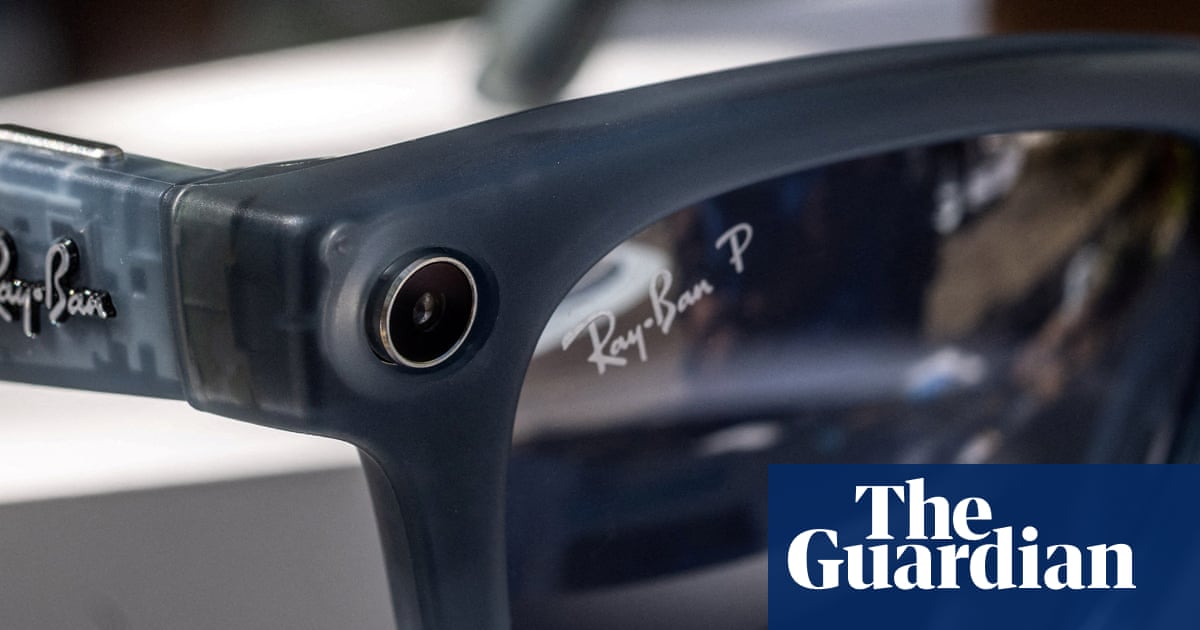
Albanese Government Explores Comprehensive Ban on Smart Glasses in Public Spaces

The Albanese government is contemplating a groundbreaking ban on smart glasses in its offices and service centers amid rising privacy concerns as local councils across Australia begin to restrict this technology in public areas. As the government weighs its options, it has opted against a comprehensive ban on the importation of smart glasses, instead encouraging various workplaces to establish their own policies.
Public Service Minister Katy Gallagher has sought guidance from the Australian public service regarding whether the use of smart glasses should be officially prohibited. “We need clear and consistent guidance for public servants,” she stated, emphasizing that the glasses present legitimate concerns regarding privacy and security, primarily due to their recording capabilities.
Commonwealth workplaces vary widely, from bureaucratic offices to Centrelink service hubs and CSIRO laboratories. While federal governance is considering a uniform standard, schools and hospitals managed by state authorities are free to develop their own regulations concerning smart glasses.
A recent study conducted by the University of Sydney has pointed out alarming statistics regarding the use of smart glasses, indicating that 60% of video content filmed with such devices on platforms like Instagram could potentially be categorized as harassment.
The Albanese administration has stated its intention to lead globally in establishing standards regulating smart glasses, as no national government has done so yet. In contrast, courts in England and Wales, as well as New York state in the United States, have already imposed bans on these devices. In fact, the U.S. Immigration and Customs Enforcement (ICE) agency has classified smart glasses as body-worn cameras and barred their use in federal workplaces.
Recent local council actions reflect similar sentiments; for example, a council in Sydney recently declared a ban on smart glasses in public swimming pools, labeling them “pervert glasses.” This follows an earlier ban by the Brisbane City Council, which was the first to prohibit smart glasses in pools, while Melbourne’s Yarra City Council has restricted them in playgrounds, childcare centers, and gyms. The City of Sydney and the Blacktown City Councils have enforced similar restrictions for pool users.
Federal Attorney General Michelle Rowland has publicly supported the decisions made by local councils and indicated she plans to consult businesses about their policies. “Good privacy is good business,” Rowland remarked, highlighting the need for a balanced approach that does not unfairly penalize those who utilize smart glasses to enhance their social engagement.
Advocacy group Vision Australia and individuals with disabilities have spoken positively about smart glasses as valuable tools for those who are blind or have low vision. However, Rowland reassured the public that while a full ban is not under consideration, the government remains open to all options.
Gallagher expressed a desire for the Australian public service to become a leading example in setting these national standards. “As technology evolves rapidly, the Commonwealth needs to ensure that our workplace policies are in alignment,” she noted, adding that upcoming restrictions on smart glasses reflect a broader effort to reform workplace technology regulation.
In related developments, a recent roundtable will see participation from major businesses, including Commonwealth Bank, Microsoft, and Kmart, aimed at harmonizing guidelines regarding AI use in workplaces.
Employment Minister Amanda Rishworth stated that this initiative seeks to empower both workers and businesses to adopt new technologies with confidence, ensuring that appropriate safeguards are established.
Additional reporting from Caitlin Cassidy
Editor’s Take
This potential ban on smart glasses in governmental settings represents a significant moment in the ongoing dialogue about privacy in public spaces. With rising concerns regarding harassment and data security, governments must navigate the fine line between technological advancement and safeguarding individual rights. The implications for users, businesses, and developers will be profound, shaping how emerging technologies are regulated and accepted in society.
Source: www.theguardian.com