

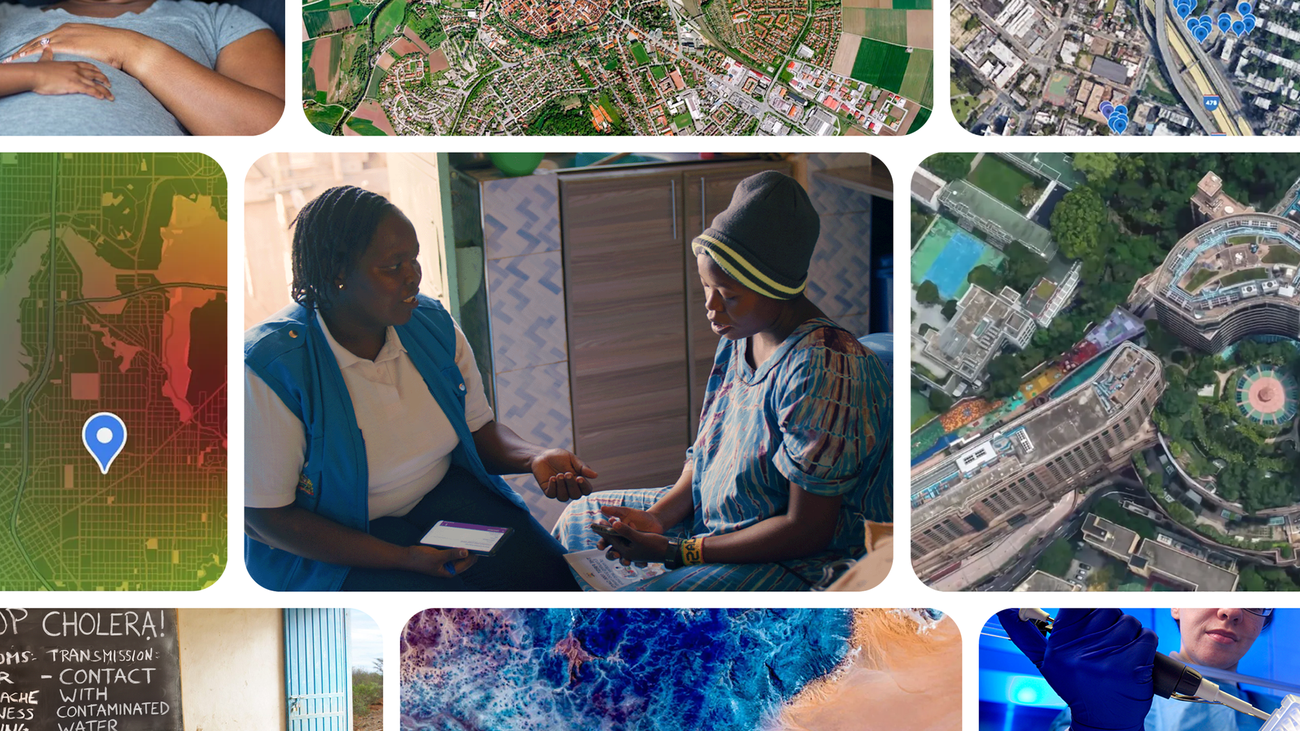

Revolutionizing Global Health: Proactive Approaches Powered by AI
As communities around the world face increasing health challenges, the intersection of geography and health is coming into sharper focus. Geographic factors significantly influence climate patterns, infrastructure, and the daily lives of individuals. Despite this, public health teams often encounter issues related to geographic blind spots and fragmented data, which can hinder timely responses to health crises, such as viral outbreaks or chronic disease management.
To combat these challenges, advanced predictive tools are emerging as vital resources for health leaders. Recent research, co-authored in partnership with global health entities, illustrates how Google Earth AI is helping to bridge gaps across various diseases and regions. By utilizing autonomous predictions and analyzing population dynamics, public health officials can transition from reactive management to proactive health prevention.
Enhanced Predictive Capabilities
Combining environmental signals with satellite imagery and mobility data, Google’s AI offerings, such as the AlphaEarth Foundations and the Population Dynamics Foundation Model, allow researchers to identify complex connections between people and their environments.
This integration of technology enhances existing health information, enabling communities to address health challenges proactively rather than reactively. For instance, during the ongoing Ebola outbreak in the Democratic Republic of Congo (DRC), the World Health Organization’s Regional Office for Africa effectively used Google Earth AI capabilities to identify vulnerable populations and at-risk areas swiftly. The use of the Geospatial Reasoning agent revealed 48 settlements exposed to high risk, significantly accelerating response times for local health officials.
Real-Time Data for Crisis Response
The ability to simulate outbreak trajectories is another critical benefit derived from these advanced AI tools. In collaboration with the Epidemic Modeling and Intelligence Unit (UMIE), predictive models were developed that continuously assess the risk of disease spreading to new zones. This proactive approach not only assists health coordinators in disaster planning but also allows for timely interventions before crises escalate.
These developments underscore the potential of leveraging AI technologies in public health. Organizations can better utilize data with tools that bring together various AI models into one streamlined process, creating a unified workspace for impactful health insights. This integration facilitates quicker access to essential data, enhancing community preparedness and responsiveness to health threats.
As the health landscape continues to evolve, technologies like Google Earth AI represent a promising shift towards a more strategic, proactive approach in global health. By addressing the complexities of health data through sophisticated AI systems, public health officials can safeguard at-risk communities more effectively, paving the way for healthier futures.