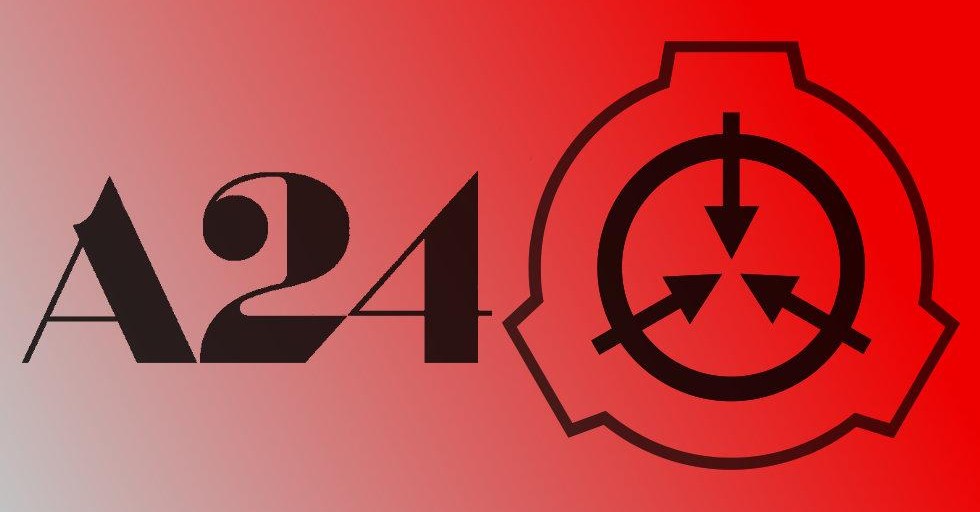

A24 is diving into another internet horror phenomenon, announcing a new entry in the V/H/S horror anthology series, set within the creative universe of the SCP Foundation. Following the previous success of Backrooms, expectations were high, but immediate backlash indicates potential trouble for the project titled V/H/S: SCP.
The SCP Foundation originates from the online community, especially popular on platforms like 4chan. Its storyline revolves around the fictional Special Containment Procedures Foundation, which documents and contains supernatural entities. This expansive narrative is primarily conveyed through wiki-style entries, resembling bureaucratic documentation, creating a unique mix of sci-fi and horror elements perfect for episodic storytelling.
Unlike the collaboration with the creator of Backrooms, A24’s approach to the SCP project lacks community engagement. The official SCP Foundation Wiki released a statement expressing their disappointment, noting, “We have not had any communication with the filmmakers, producers, or distributors for this project, despite our best efforts.”
DrEverettMann, an admin from the SCP Wiki, commented on their attempts to reach out, claiming that they have faced silence from the filmmakers since the announcement.
This misstep goes beyond merely upsetting fans. The SCP Foundation operates under a Creative Commons license (CC BY-SA 3.0), meaning any adaptations must allow others to use, share, and create derived works. This requirement complicates the prospects of monetizing a feature film that claims exclusive rights, as it runs counter to the foundational licensing rules.
In light of past controversies, including copyright claims against other creators of Backrooms, A24 is keen to clarify their stance on rights related to the SCP universe. While there are no comments directly from A24, representatives from Image Nation Studios and Spooky Pictures communicated that A24 holds rights only for the specific project being produced.
This confusion arises from the Creative Commons license, under which no single entity can claim exclusive rights to any SCP-related content. Anna Tumadóttir, the CEO of Creative Commons, reaffirmed that while adaptations can be commercialized, they must adhere to the same licensing terms as the original.
Law Professor Paul Szynol added that studios like A24 could create an SCP film and distribute it, but they would not possess the ability to restrict others from creating their own adaptations. This approach could challenge A24’s traditional business model.
DrEverettMann noted that while the film could still find its way to theaters, whether it could achieve financial success without exclusive distribution rights is a complex issue. The film’s potential distribution under a Creative Commons license would invite further questions, particularly in terms of audience interest and willingness to pay when free options are readily available online.
A24 faces several paths moving forward. They might proceed with the film, risking potential legal ramifications later. Alternatively, they could distance the project from SCP branding while drawing inspiration from its themes, a strategy already utilized in other commercial works.
Another option includes releasing the film under the ShareAlike license— a bold yet potentially risky maneuver that might prevent them from claiming exclusive rights but could recoup production expenses.
Editor’s Take
This development highlights the complexities of intellectual property in the digital age, especially amidst emerging web-cultures. For users, this could mean a richer array of SCP-themed content, while businesses must navigate the intricate landscape of licenses to avoid future pitfalls. A major studio’s move into this space also marks a significant moment for independent creators who operate under similar licensing models.
Source: www.theverge.com