Trump Joins Urgent National Security Meeting on Potential Iran Strikes as Deal Approaches

Donald Trump is currently weighing the possibility of resuming military operations against Iran, with reports indicating that his national security team has convened both Wednesday and Thursday to discuss potential actions. This meeting marks Trump’s first official discussion regarding military strategy since the recent shift of power in Congress to the Democratic Party.
Sources suggest that officials have informed Trump that a new moon will rise this coming Monday, creating optimal darkness for air operations—a factor likely influencing his decision-making process, as reported by Fox News.
During a press briefing, Trump indicated that Washington would soon make a determination regarding the resumption of hostilities, emphasizing the need to eradicate Iran’s nuclear capabilities while also expressing a desire to avoid extensive destruction, stating, “but maybe I will have to.”
In a contrasting move, Tehran has proposed a new initiative regarding its nuclear agenda through Qatari intermediaries, creating a scenario where Trump must choose between pursuing a diplomatic resolution or escalating military action.
Additionally, reports indicate that Iran is issuing iodine tablets to families near nuclear sites as a precautionary measure, concerned about possible US bombardments targeting the Pickaxe Mountain, which houses strategic nuclear facilities.
The US military is prepared with strike plans that could activate imminently, while a significant number of American troops continue to patrol the waters adjacent to Iran, enforcing a blockade.

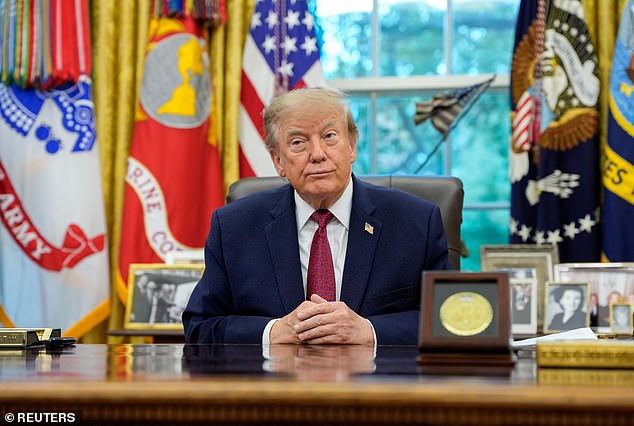
Trump met his national security team at the White House on Wednesday and again on Thursday to weigh resuming military operations against Iran.
Meanwhile, Iran’s top security official, Mohsen Rezaei, announced on Thursday that any engagement in dialogue will hinge on the U.S. meeting seven specific conditions, which include lifting sanctions and addressing reparations for the conflict. This development is significant given Trump’s previous rejection of a similar plan in September.
Pressure within the U.S. administration varies, with Vice President JD Vance advocating for a peace deal, while other key figures, such as CIA Director John Ratcliffe and Treasury Secretary Scott Bessent, are pushing for the maintenance of military pressure against Iran.
Importantly, the political landscape in the U.S. has shifted dramatically, with Democrats recently taking control of both the House and Senate during the midterm elections. Voters expressed discontent over rising costs and ongoing conflicts. The increasing gas prices, averaging $4.15 per gallon on Election Day, have compounded dissatisfaction with the current administration.
With escalating tensions and critical decisions on the horizon, the implications for U.S.-Iran relations remain uncertain as both sides navigate their respective positions.
Editor’s Take
The current geopolitical dynamics between the U.S. and Iran hold significant consequences. As Trump contemplates military actions, the decision could pivotally impact not just international relations but also domestic approval ratings amid economic challenges. This situation underscores the complex interplay between defense strategies and public sentiment, illustrating the multifaceted nature of modern political leadership.
Source: www.dailymail.com