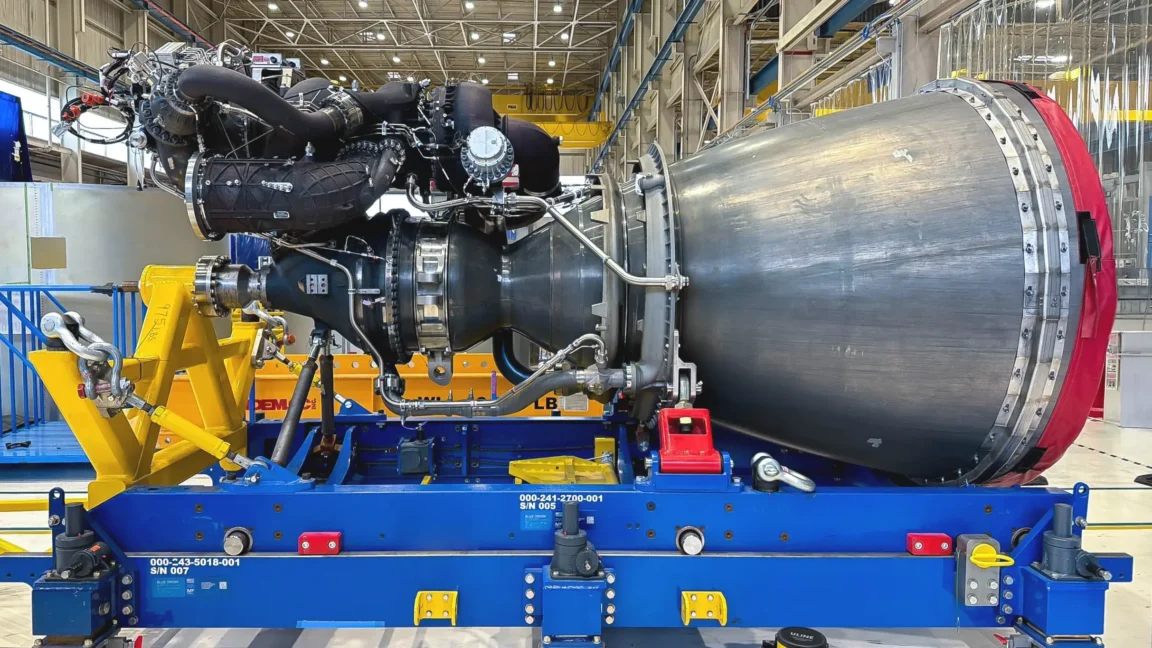

Flying is a testament to extraordinary engineering marvels hidden within aircraft engines.
Inside the sleek nacelles of modern planes lie hundreds of resilient turbine blades that can withstand immense mechanical stress and temperatures soaring above 1,500°C. This remarkable durability is not simply the result of machining but rather a result of innovative manufacturing techniques.
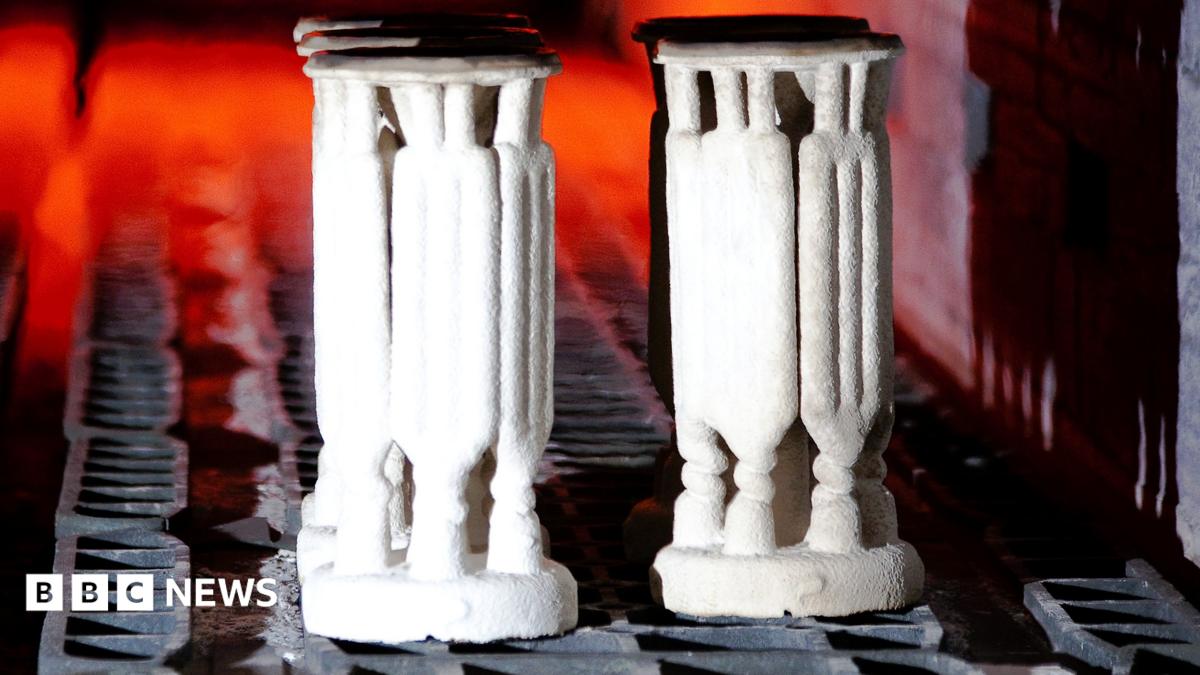
Since the 1960s, engineers have developed a way to craft turbine blades from molten metal alloys. The process involves carefully cooling the metal from one end to the other over several hours, allowing a single grain of metal to form. This meticulous solidification resembles the formation of a large snowflake rather than a mass of smaller ones.
“It’s among the most complex manufacturing processes,” remarks Ben Fifoot, a manufacturing engineer at Rolls-Royce, one of the key players in turbine blade production in the UK. “It’s a real motivator to get out of bed in the morning.”
Only a select few companies globally have mastered the art of producing single crystal turbine blades. The process, renowned for its sophistication, has been refined in just five countries, including the United States and United Kingdom. Leading engine manufacturers are constantly seeking access to this advanced technology.
Among the elite firms that have refined this process are Rolls-Royce, GE, and Safran from France.
Editor’s Take
The development of single crystal turbine blades signifies a major leap in aerospace engineering. With fewer companies capable of such advanced manufacturing, those that succeed gain a significant competitive edge. This innovation not only impacts the efficiency and performance of aircraft engines but also shapes the future of aviation technology.
Source: www.bbc.co.uk