Apple Watch Launches Beta Testing for AI Conversation Recap and Rewind Features

Apple Introduces AI-Powered “Audio Intelligence” for the Apple Watch
Apple is now rolling out beta testing for its innovative “Audio Intelligence” technology, designed specifically for the Apple Watch. This new feature set was first unveiled during the company’s Surprise and Shine hardware event in September and is being included in the iOS 27.3 update for developers. The technology features four opt-in AI capabilities tailored for the Apple Watch Series 12 users: sound detection, song recognition, and tools for capturing conversations and taking notes.
Key Features
The sound recognition functionality is particularly beneficial for deaf and hard-of-hearing users, who can receive alerts for essential sounds like sirens, alarms, and doorbells through their watches. Additionally, the song recognition feature, leveraging Apple’s Shazam technology, allows users to identify songs playing in their environment.
Controversial Conversation Features
Among the more intriguing aspects of this technology are the Live Rewind and Siri Recaps, which can record snippets of conversations. Given the current scrutiny surrounding AI recording devices, Apple aims to balance functionality with user privacy.
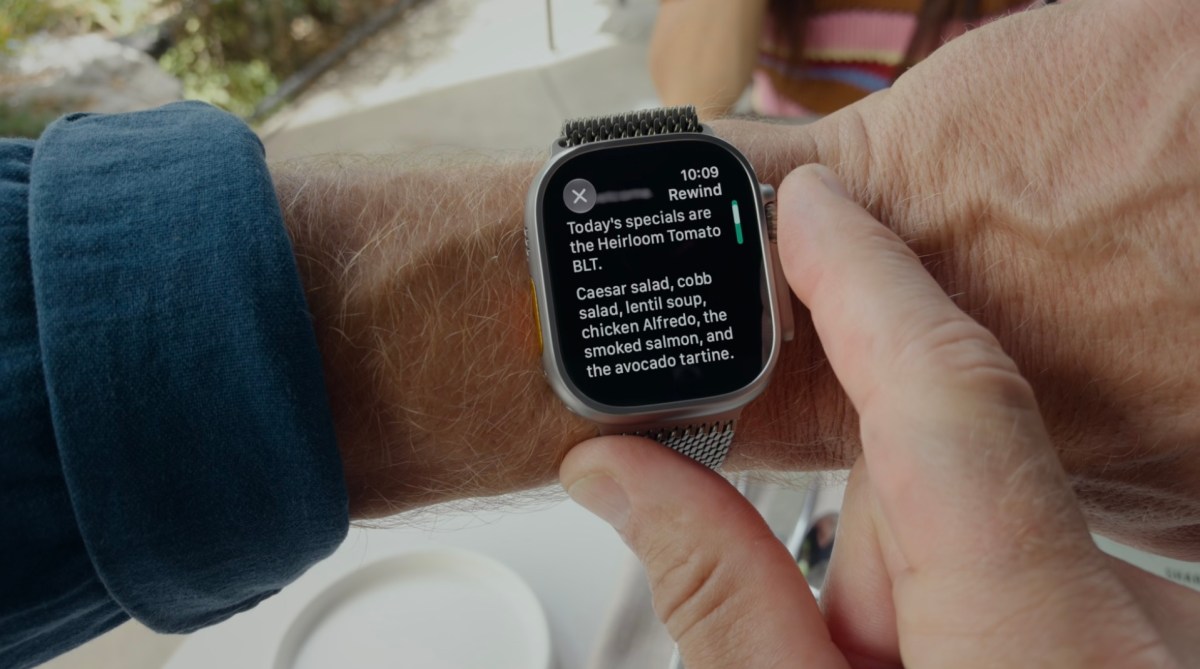
Live Rewind enables users to “rewind” and view snippets of what was just said. For instance, if someone is giving directions or listing out menu items, users can double-press the watch’s digital crown to view a text snippet of the last 15 seconds. They have the option to save this information to the standalone Siri app for later access or allow it to disappear after 30 seconds if not saved.
Additionally, users can select an “Ask Siri” option below the displayed snippet for further clarification on any terms or details mentioned, assisting in situations where quick comprehension is needed.
Summarizing Conversations
The second feature, Siri Recaps, takes audio recording capabilities further by summarizing conversations with short sentences and bullet points outlining key details, such as important dates or tasks discussed. This feature is particularly useful during meetings or discussions where taking notes by hand may not be feasible.
Importantly, Apple clarifies that no identifying information about speakers is recorded, nor are raw audio files saved. Instead, the summaries focus on providing essential information without emotional context. The recaps will not function during music playback or when noise-canceling features are active.
Privacy and Security Measures
These features encapsulate Apple’s commitment to user privacy. The system relies on a secure enclave within the watch to process audio. This architecture enables the data to remain inaccessible to Apple and ensures it is only accessible to the paired iPhone through a secure mechanism. On-device AI models detect when conversations occur, and the data is processed in such a way that sensitive information remains protected.
Once generated, recaps can be reviewed daily, and users have the option to save or delete them, ensuring control over personal information. The system is designed not to drain the battery life of the watch or the phone, maintaining usability during everyday activities.
The beta testing phase will provide insight into how these features will ultimately perform for a wider audience before their full public release.
Conclusion
This deployment of Audio Intelligence represents a significant step forward in wearable technology. As Apple continues to innovate, these features may set a new standard for the intersection of AI and personal assistance in everyday life.
Editor’s Take
The launch of “Audio Intelligence” signifies a pivotal moment for wearables in bridging technology and human interaction. While the ability to capture conversations raises questions about privacy, Apple’s careful design offers a promising solution for many users. This could enhance productivity and accessibility in professional and personal contexts, potentially reshaping how we integrate technology into our daily interactions.
Source: techcrunch.com