

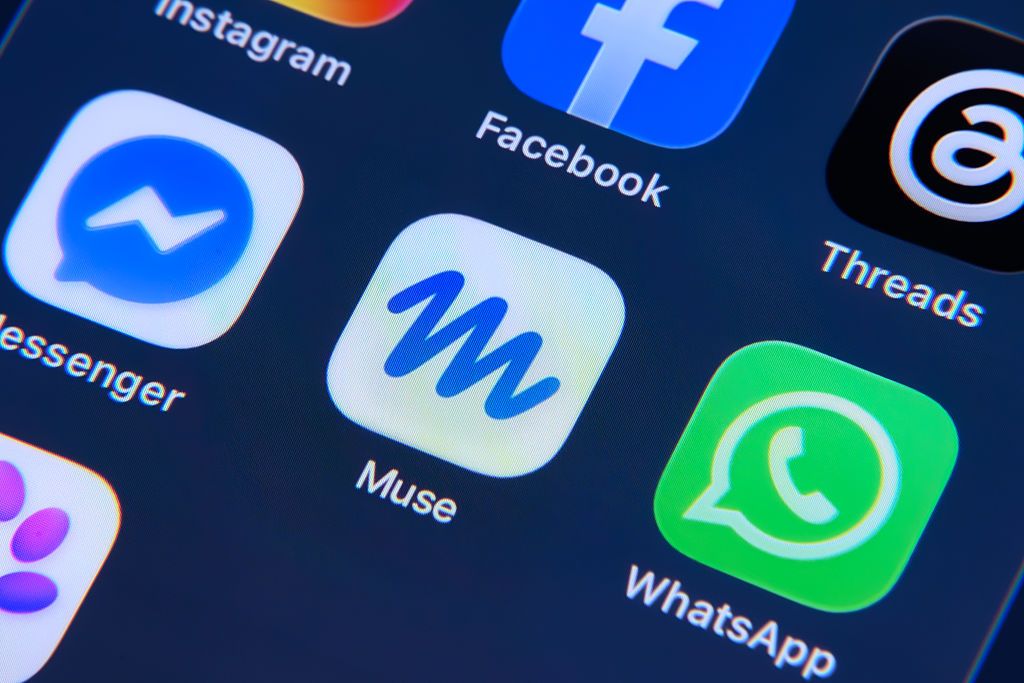

Meta has underscored its commitment to artificial intelligence with the recent launch of its Muse assistant on a dedicated iPad app, as announced on Wednesday. This release marks a significant milestone, especially considering it took Instagram 15 years to introduce an iPad app despite overwhelming user interest.
Hot on the heels of its iPhone debut, which was just a month ago, Muse is already making waves. While some may argue that adapting Muse for iPad is relatively straightforward due to its text-focused interface, it still represents a notable expansion for the application.
Since its launch on both iOS and Android on September 8, Muse has amassed over 6.6 million downloads, according to data from market intelligence firm Sensor Tower. This app serves as a personal assistant, helping users manage their emails, meetings, bills, and more, while also facilitating tasks such as making reservations, grocery shopping, goal-setting, and purchasing items.
To enhance the user experience, Meta has been integrating various partners into Muse, referred to as “connectors.” Users can choose which connectors to activate based on their comfort level regarding the data they allow the AI to manage.
The recent iPad launch has introduced a range of new connectors aimed particularly at small businesses, including popular platforms such as Asana, Canva, Dropbox, Figma, QuickBooks, GitHub, Klaviyo, and Zoom. Additional connectors for Meta ad accounts, along with applications like Notion and Granola, have also been added.
Moreover, Meta recently expanded its retail partnerships, welcoming significant names such as Best Buy, Gap, Sephora, Walmart, and Wayfair. This expansion enables the Muse assistant to facilitate online shopping directly through these retailers’ platforms. However, given the novelty of this technology, users may encounter challenges as websites sometimes misidentify AI agents as bots, blocking their access.
In response to these issues, Meta has announced an initiative to collaborate with industry partners to develop an open standard. This standard aims to assist personal AI agents in verifying their identities to businesses, thereby distinguishing legitimate bots from malicious ones.
Editor’s Take
This development is significant not only for users looking for efficient personal assistant solutions but also for small businesses seeking to integrate AI into their operations. The growing ecosystem of connectors helps facilitate more seamless interactions between users and various services. As AI technology continues to evolve, the establishment of standards for identity verification could enhance trust between businesses and AI applications in the future.
Source: techcrunch.com