

Report: Russian Hostile Activity Costs UK Taxpayers and Businesses £2.5 Billion Annually

The defence of the United Kingdom against Russia is imposing a substantial financial burden on taxpayers, exceeding £2.5 billion annually, as highlighted in a recent independent report.
This significant expense, referred to as the ‘Putin Tax’, largely stems from the economic repercussions of cyber-attacks and various forms of aggressive foreign state activities.
Estimates indicate that illicit cyber activities originating from Russia have cost the UK approximately £1.5 billion, while damages to subsea cables under the Atlantic are pegged at an additional £500 million, according to the findings.
Furthermore, the report identifies a confirmed £500 million loss within the private sector, linked to cyber incidents impacting major enterprises like Jaguar Land Rover, Royal Mail, and suppliers to the NHS.
Beyond these quantifiable losses, there are extensive, though unmeasured, costs for the UK government that include increased expenditure on resilience against such attacks and escalated insurance premiums.
These financial burdens are expected to grow as Russia intensifies its hybrid warfare efforts against Britain in the coming years.

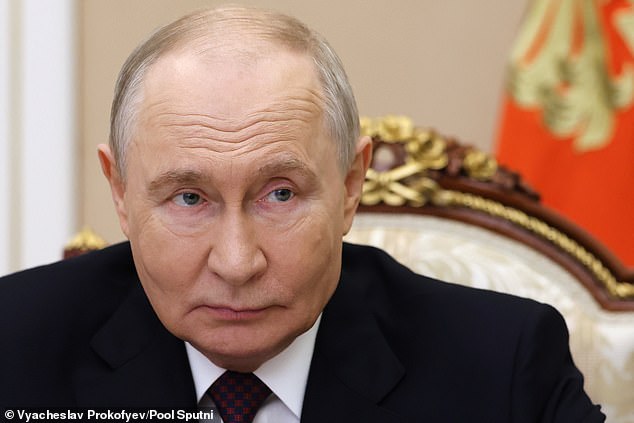
Russian President Vladimir Putin has sanctioned a hybrid warfare initiative targeting Ukraine’s allies, particularly the UK. The financial implications of defending against such strategies have been quantified for the first time.
The study, conducted by Graeme Downie, MP, was released recently. Tom Keatinge, a representative from the Royal United Services Institute (RUSI), emphasized that the ramifications of hostile actions must shape the government’s evaluation of threats, responses, and resource allocation. A comprehensive understanding of the costs already incurred by Britain is crucial for safeguarding its future.
Since 2022, the UK has experienced over 300 cyber incidents linked to Russia, with estimates suggesting that three out of four attacks impacting critical national infrastructure originate from hostile states.
This report surfaces at a time when the Labour government faces mounting pressure to clarify its strategy for meeting essential defence spending targets, including a commitment of 3 percent of GDP by 2030 and the NATO benchmark of 3.5 percent by 2035.
Editor’s Take
This report underscores a pressing concern regarding the financial impact of state-sponsored cyber activity on national security. For businesses and the broader economy, understanding and addressing these costs is vital for sustainability. As threats escalate, so too must the UK’s strategic planning in defence and cybersecurity.
Source: www.dailymail.com