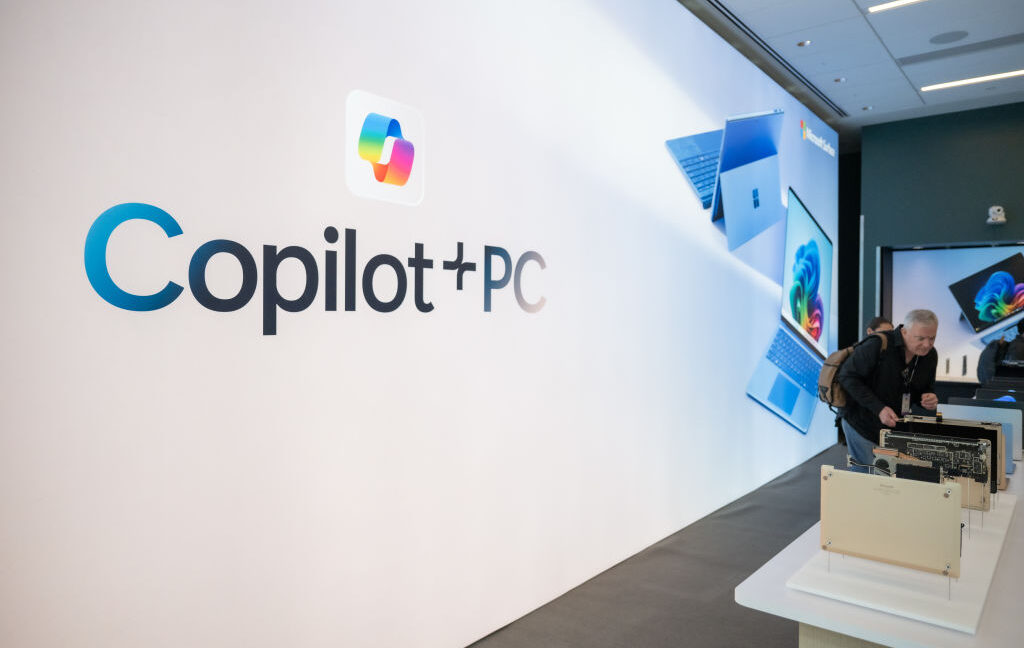

Microsoft Steps Back from Copilot+ PC Branding in New Surface Launch
Since its introduction in 2024, Microsoft‘s push for the “Copilot+ PC” initiative aimed to clarify which Windows systems were equipped to handle AI-accelerated tasks natively. However, this branding has notably disappeared from the latest Surface devices recently announced by the tech giant.
During an interview with Windows Central, Brett Ostrum, corporate VP of Surface, confirmed that the newly unveiled Surface Pro 12-inch (2nd Edition) and Surface Laptop 13-inch (2nd Edition), set for release on October 13, do not carry the Copilot+ PC label, though they meet all prior qualifications for the designation.
“They do meet all the requirements of our previous bar for what Copilot+ devices are. We still lean into the narrative around AI on the edge and being able to have a hybrid solution out there,” he explained.
For a device to qualify as a Copilot+ PC, it is required to have at least 16GB of RAM, 256GB of storage, and an integrated neural processing unit (NPU) capable of performing at least 40 trillion operations per second (TOPS).
The forthcoming Surface devices are powered by Qualcomm Snapdragon X2 Plus processors and include a Qualcomm Hexagon NPU rated at an impressive 80 TOPS.
According to Kedar Kondap, senior VP of compute at Qualcomm, the Copilot+ PC initiative was designed to establish a certain standard for devices featuring advanced NPU experiences. “The purpose for Copilot+ PCs was to be able to deliver [NPU] experience,” he remarked. “So from that perspective, it’s more offering the same experiences, probably without just using [Copilot+ PC] terminology now.”
The Evolution of AI-Powered PCs
Copilot+ PCs were touted as a breakthrough in the field of artificial intelligence, representing the “fastest, most intelligent Windows PCs ever,” according to a Microsoft marketing page that was active as of May. However, this page has since redirected to one that emphasizes “performance PCs,” noticeably downplaying the Copilot+ label.
Editor’s Take
The withdrawal of the Copilot+ PC branding reflects a significant shift in Microsoft’s marketing strategy, potentially simplifying consumer decisions in an increasingly crowded market. For users, this change might indicate a broader approach to integrating AI technology into devices without the need for specific labels, highlighting accessibility and user experience. For the AI industry, it signifies a maturation phase, wherein robust AI capabilities are becoming standard rather than niche.
Source: arstechnica.com