
Meta Unveils Cute Muse Device as a Response to Smart Glasses Backlash
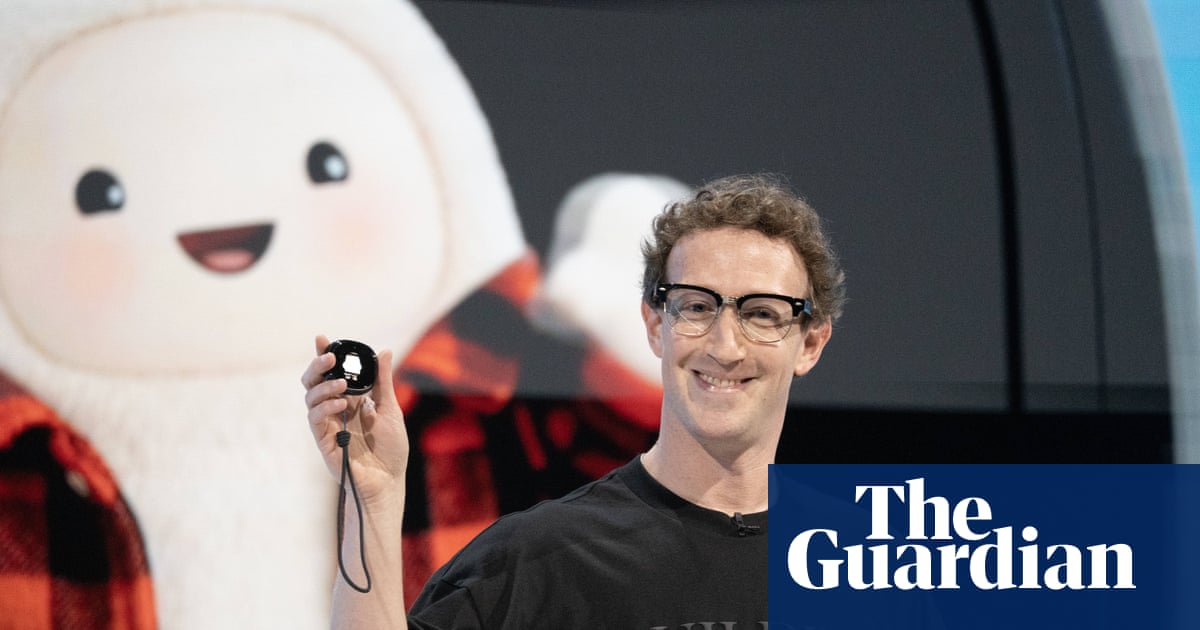
In the wake of considerable criticism surrounding its previous smart glasses, Meta’s CEO Mark Zuckerberg recently introduced a charming new gadget: the Muse “charm” device, designed to win over skeptics with its playful aesthetics.
This innovative device, featuring a screen that showcases a cute avatar, is reminiscent of nostalgic toys like Tamagotchis. Zuckerberg highlighted its capabilities in a recent presentation, stating, “We’ve packed a lot of technology into this little guy.”

Compact enough to attach to a keychain or bag, the Muse isn’t just a toy. It functions as an interactive AI assistant, capable of managing tasks such as answering emails, booking travel, and even handling grocery shopping.
According to Katie Seaborn, an associate professor at Cambridge specializing in cuteness, the device is appealing because it has a simplistic, baby-like appearance, enhancing its charm. Joshua Paul Dale, a professor at Chuo University in Tokyo and author of Irresistible: How Cuteness Wired our Brains and Conquered the World, cogently pointed out that the lack of a camera in the Muse—contrary to its predecessors—shifts the surveillance dynamic. “It’s just a cute little animated avatar looking out on the world,” Dale elaborated.
This individualized AI companion aligns with Zuckerberg’s vision of personal, wearable super-intelligence that users can communicate with. Industry forecasts from WGSN suggest this shift towards “cute technology” is likely to be a significant trend in 2026.
As Dale noted, Meta appears to be positioning Muse as a companion, employing a tiny, simple display to encourage users to attribute human-like qualities to it, despite its artificial nature. Seaborn described this cuteness as a strategic move, working to rebuild trust after prior controversies.
Incorporating cuteness into technology could be seen as an attempt by Meta to recalibrate its relationship with consumers, especially in light of growing awareness about privacy and data usage. Seaborn noted that in Japan, cuteness is already prevalent in branding, with virtually every organization using mascots.
Research from Seaborn indicates that cuteness can significantly influence social interactions and may help ease consumer concerns. Interestingly, she finds this “charming and disarming” approach might make users more receptive to technology that could otherwise seem threatening.
Cultural differences also play a role in how these technologies are perceived. Seaborn discovered that Americans tend to be less deceived by cuteness than their Japanese counterparts, who often view robots positively. However, she believes global acceptance of cute technology is gradually shifting.
While the Muse is set to debut in December, its success may vary across generations. The tech-savvy Gen Alpha may see it as inauthentic, while Gen Z, familiar with carrying plush toys like Labubu, might find it more appealing. Older generations may recall fond memories associated with similar technologies, like Tamagotchis.
Ultimately, the Muse aims to innovate the interaction between users and technology by incorporating elements of cuteness and nostalgia. As Dale aptly mentioned, although he may not be an immediate buyer, he envisions a future where such devices could become indispensable as they evolve.
Editor’s Take
This launch signifies a nuanced response to consumer apprehension towards invasive technology. By leveraging cuteness, Meta not only seeks to gain user trust but also redefine the user experience in a world increasingly wary of surveillance. As the landscape of personal technology evolves, this could set a precedent for how AI interacts with daily life.
Source: www.theguardian.com